Senate Race: 35 Seats, 13 Battlegrounds, and the Math for Control
With polls open, Republicans hold a 53-47 majority, but Democrats need a net gain of four seats to flip control of the chamber on Tuesday.
By Pedro Tanaka ·
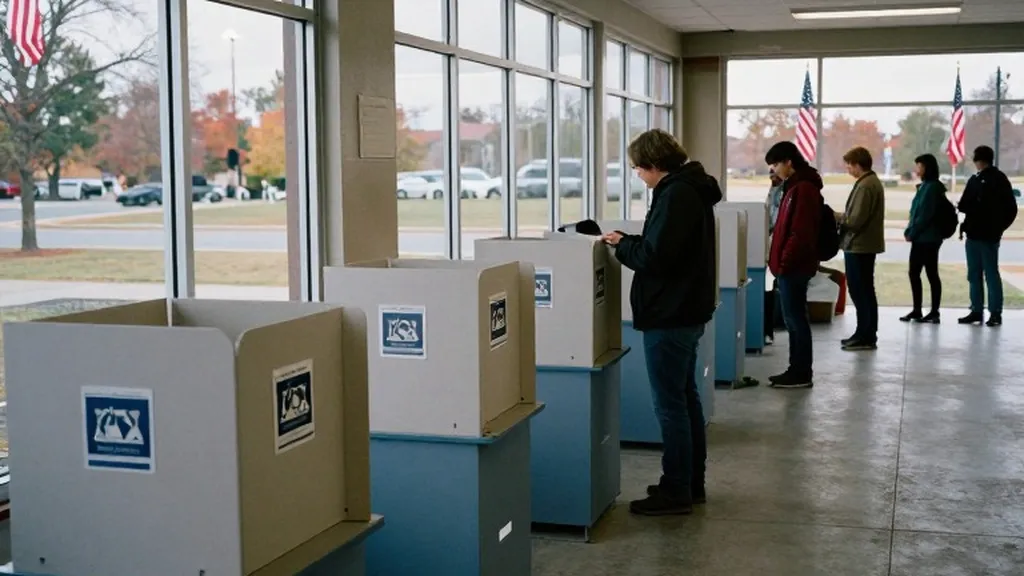
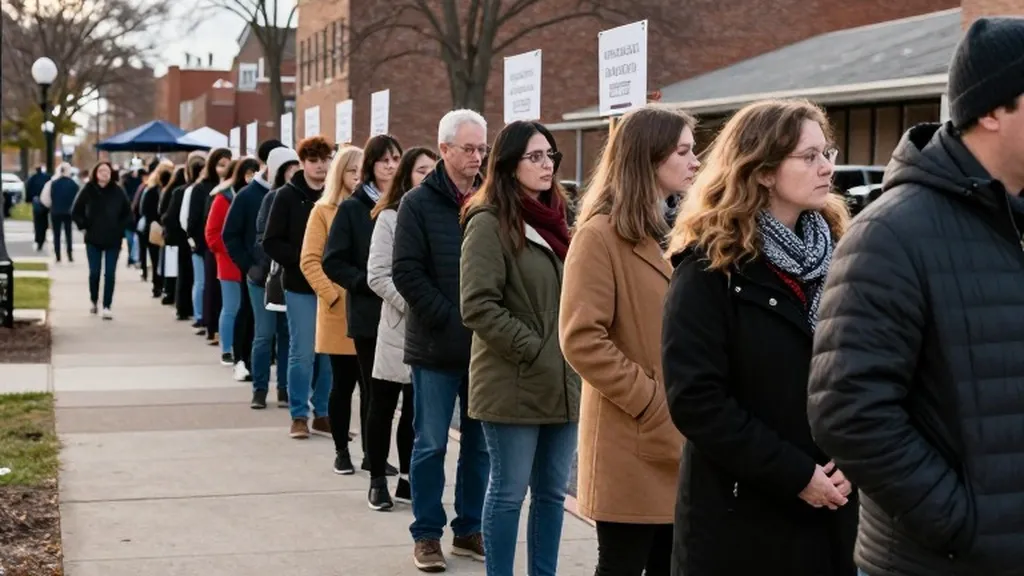
Election Day has arrived in the United States, with voters heading to the polls in all fifty states to decide the balance of power in Congress. The Associated Press describes the contest as a referendum on President Donald Trump's second term, noting that many voters are struggling with high prices and expressing anger over an unpopular war with Iran. As of early Tuesday morning, more than 57 million people had already cast their ballots, a figure that surpasses early voting totals from four years ago in many closely watched states. The outcome will determine which party controls the legislative branch for the final two years of the current administration.
The United States Senate is at the center of the day's political calculations. Thirty-five of the one hundred seats are up for grabs, comprising thirty-three regular elections and two special elections for the remaining terms of Florida and Ohio seats. Republicans currently hold fifty-three seats, while Democrats hold forty-five, with two independents who caucus with the Democratic majority. For Democrats to take control of the chamber, they must secure a net gain of four seats. Republicans, by contrast, can afford to lose only two seats to maintain their majority. The stakes are high, as control of the Senate dictates the ability to confirm judges, approve treaties, and initiate investigations into the executive branch.
Ballotpedia identifies thirteen specific Senate races as battlegrounds, where the outcome is uncertain and could swing the balance of power. These states include Alaska, Florida, Georgia, Iowa, Kansas, Maine, Michigan, Montana, Nebraska, New Hampshire, North Carolina, Ohio, and Texas. The political landscape in these states varies significantly based on the 2024 presidential margins. For instance, Kansas and Nebraska are heavily Republican, having voted for President Trump by double digits, yet they are considered competitive for Senate control due to specific local dynamics and candidate matchups. In contrast, states like Georgia and Michigan are much closer, with margins that make them pivotal for both parties.
The ratings of these races provide a snapshot of the current competitive environment. As of late October, Maine is considered a toss-up by all major rating groups, including Cook, Decision Desk, Inside Elections, and Sabato. Iowa and Kansas are viewed as toss-ups or slight Republican tilts, while Alaska and Michigan are seen as toss-ups or slight Democratic tilts. Georgia is currently rated as leaning or likely Democratic. These ratings reflect the intense campaigning and the close margins in these states, where small shifts in voter turnout could determine the final outcome. The AP notes that economic strain and tariffs have made states like Maine particularly competitive, highlighting the influence of domestic economic issues on the vote.
Key matchups in these battlegrounds have drawn national attention. In North Carolina, Democratic former Governor Roy Cooper faces former Republican National Committee Chair Michael Whatley in a race for the seat of retiring Senator Thom Tillis. In Georgia, Senator Jon Ossoff runs against Republican Representative Mike Collins. Ohio features a contest between Democratic former Senator Sherrod Brown and Republican Senator Jon Husted. In Michigan, Republican former Representative Mike Rogers faces Democrat Abdul El-Sayed, a race that saw endorsement shifts during the final stretch of the campaign. Texas sees Republican Attorney General Ken Paxton, backed by President Trump, against Democrat James Talarico. These high-profile contests underscore the significance of the Senate race in defining the political map for the next two years.
Republican leadership is focused on turnout as the primary driver of success. RNC Chairman Joe Gruters stated that everything depends on turning out their voters, a strategy that has been the core of their planning. Republicans are bracing for the possibility of losing the House but are fighting to hold the Senate, with the AP noting that one or two seats could tip the balance in either chamber. The party has invested heavily in advertising, with 88.1% of Republican general election TV ad spending directed to states and districts that President Trump won in 2024. This targeted approach reflects an effort to consolidate support in areas where the president has strong name recognition and approval ratings among the base.
Democratic leadership, while described as cautiously optimistic, emphasizes the anger of the American people and their desire for change. DCCC Chair Representative Suzan DelBene noted that voters are looking for a shift in direction, a sentiment echoed in polling data. The AP-NORC poll indicates that 35% of U.S. adults approve of President Trump's job performance, while only 25% approve of his handling of the economy. About seven in ten Americans say the country is heading in the wrong direction, with most blaming the president for high prices. This dissatisfaction provides a foundation for Democratic campaigns, which are focused on the cost of living and oversight of the executive branch.
The election is also marked by legal and administrative challenges that could impact the final tally. A federal judge temporarily barred the Trump administration from implementing a plan to prevent noncitizen voting, a move critics say risks disenfranchising eligible voters. In California, a judge ordered the administration to stop demanding that election officials segregate ballots from suspected noncitizens. The U.S. Postal Service has added hours and staff to ensure mail ballots are counted on time, a critical step in states that rely heavily on mail-in voting. These legal battles and logistical efforts highlight the complexity of the election process and the importance of accurate and timely reporting.