Turnout drives 2026 midterms as 57 million cast early ballots
Both parties are focused on voter mobilization as high prices and border security shape the race for control of Congress.
By Lorenzo Patterson ·
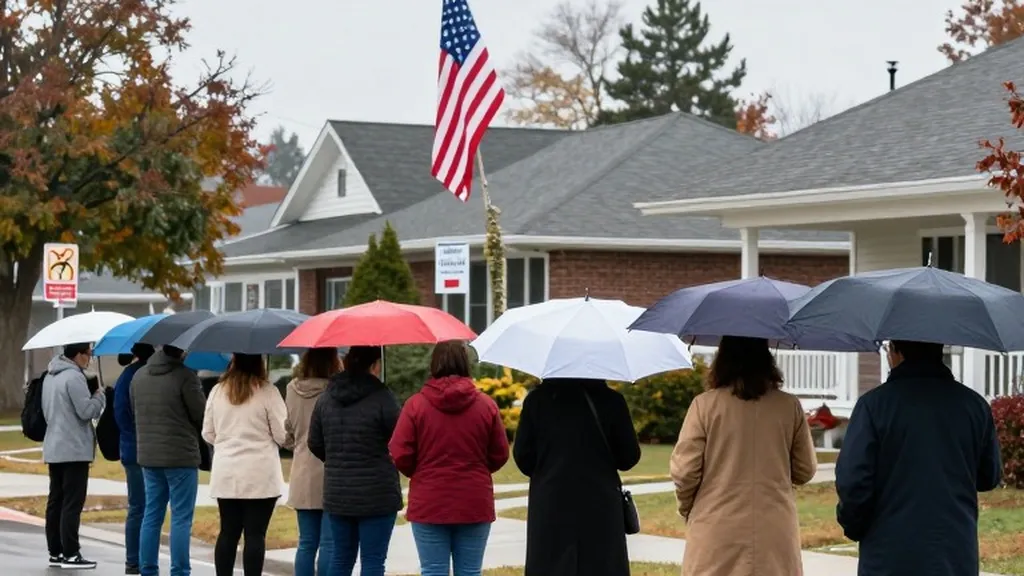
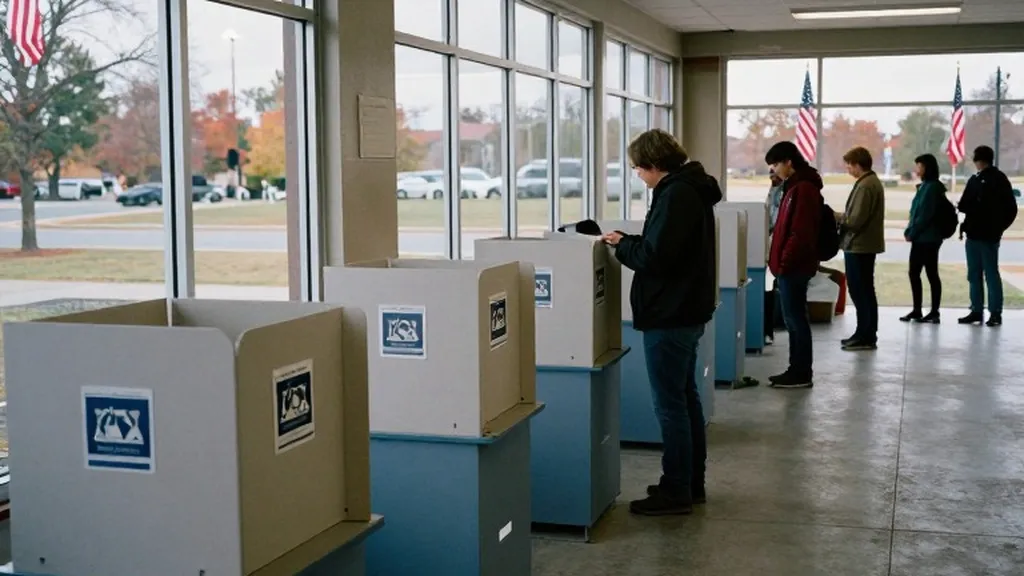
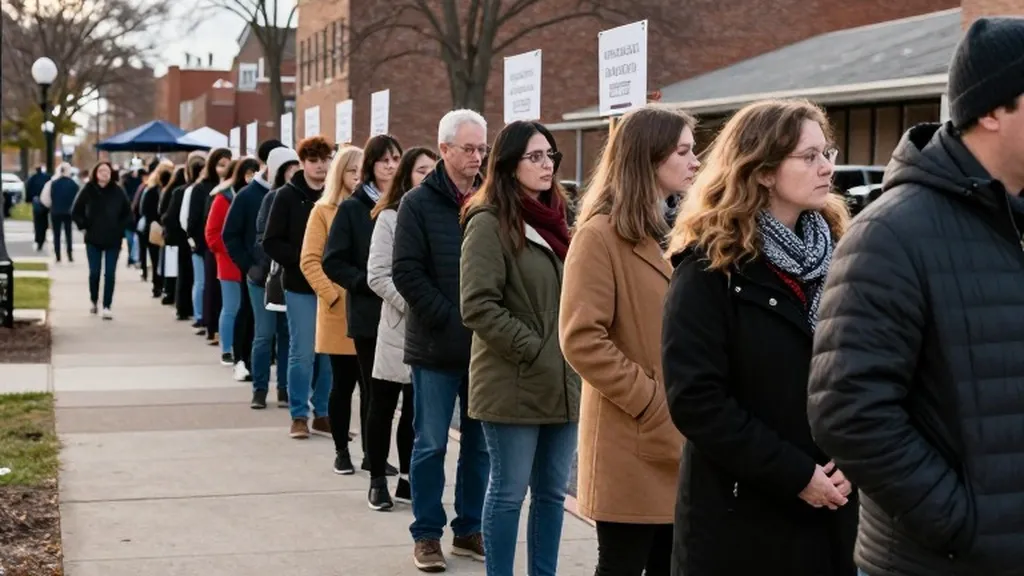
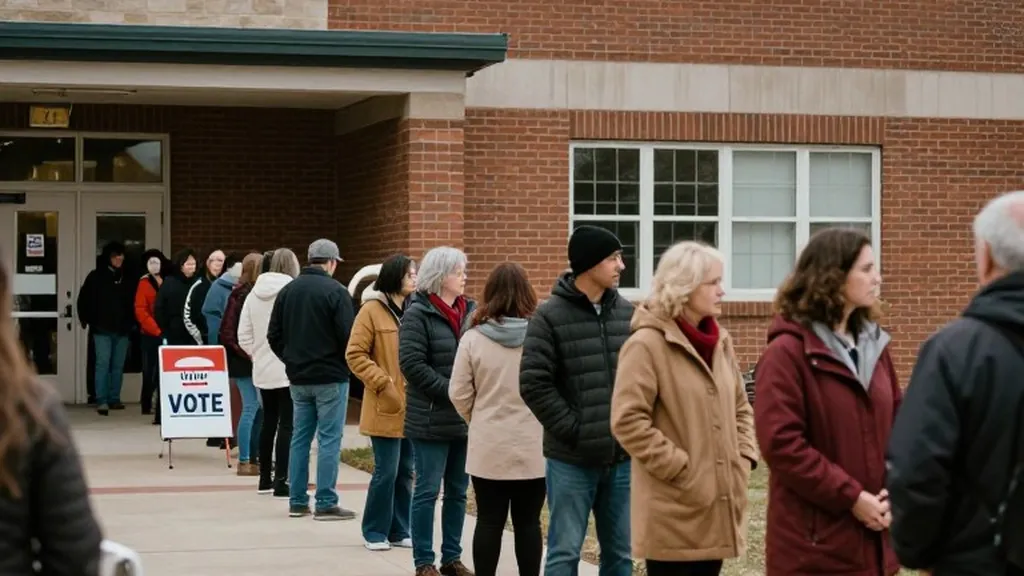
Voters across the United States are heading to the polls on Tuesday, November 3, 2026, to decide the balance of power in Congress halfway through President Donald Trump's second term. The Associated Press reports that more than 57 million Americans have already cast their ballots in the early voting period, a figure that surpasses the early vote totals from four years ago in many closely watched states. This surge in participation sets the stage for a highly contested midterm election where every vote is critical for both parties.
RNC Chairman Joe Gruters emphasized the importance of mobilizing the Republican base, stating, "Everything depends on turnout. If we turn out our voters, we win, and that's what we've been planning for." His comments reflect the strategic focus of the Republican Party, which is bracing for the possibility of losing the House while fighting hard to hold the Senate. The party's ground game has been centered on ensuring that loyal supporters make it to the polls or complete their mail-in ballots.
In contrast, DCCC Chair Rep. Suzan DelBene described the Democratic strategy as a response to public sentiment, noting, "The American people are angry. They want change." The Democratic Party has positioned this election as a referendum on the current administration, leveraging economic concerns and dissatisfaction with the war with Iran. The AP-NORC poll indicates that 35 percent of U.S. adults approve of Trump's job performance, while only 25 percent approve of his handling of the economy, factors that Democrats are highlighting in their outreach to undecided voters.
The economic backdrop remains a central theme in the campaign. About seven in ten Americans say the country is heading in the wrong direction, and most blame the President for high prices. This sentiment is echoed by voters like James Moore, a 57-year-old librarian in Raleigh, North Carolina, who said, "I'm paying more taxes. I'm paying more for my healthcare. I'm paying more for everything." These personal accounts are being used by both parties to frame the stakes of the election for the general public.
Border security and the administration's efforts to address noncitizen voting have also become focal points. A federal judge temporarily barred the Trump administration from carrying out a plan to prevent noncitizen voting, a move that critics argue risks disenfranchising eligible voters. The administration has continued to make claims about voting fraud, including the assertion that noncitizens vote in large numbers, which has led to legal challenges in states like Alaska and California. These issues have intensified the debate over election integrity in the final days before the polls close.
Republicans have invested heavily in their campaign infrastructure, with Republican committees outraising and outspending their Democratic counterparts. This financial advantage was bolstered by Trump-affiliated groups and support from Elon Musk. According to an AP analysis of AdImpact data, 88.1 percent of Republican general election TV ad spending went to states and districts that Trump won in 2024, including more than 850 million dollars in areas where he won by 10 points or more. This strategy reflects an effort to consolidate support in the President's strongest base.
Democrats, on the other hand, have focused on their strength at the candidate level, where they have outraised their opponents. The party is cautiously optimistic about its chances of winning at least one chamber of Congress. If Democrats secure control of the House or Senate, it would likely lead to new investigations and possible impeachment proceedings. House Democratic Leader Hakeem Jeffries has outlined a 100-day agenda focused on the cost of living and oversight, signaling the party's priorities if it gains power.
The ground game has been a critical component of both parties' strategies. The U.S. Postal Service has added hours, staff, and special lines to ensure that mail ballots are counted on time, addressing concerns about delays in processing early votes. In several states, new congressional maps have been implemented after mid-decade redistricting, which may affect the competitiveness of certain districts. These changes have added another layer of complexity to the election, as parties adjust their strategies to account for the new district boundaries.
President Trump has been actively involved in the campaign, holding dozens of rallies to rally support for Republican candidates. His recent stop in Salina, Kansas, was part of a schedule that included visits to Mississippi, South Carolina, and Texas. During his rallies, Trump has urged voters to support his party, saying, "I really want you to pretend I'm on the ballot." Many Republican candidates have kept some distance from the President, reflecting a mix of loyalty and strategic caution among the party's nominees.
As polls close across the country, the focus shifts to the final hours of voting and the subsequent count of early and mail-in ballots. The outcome of this election will determine who controls Congress for the President's final two years, with significant implications for the legislative agenda and the political landscape ahead. Both parties are preparing for a close race, with the understanding that even a small number of seats could tip the balance in either chamber.
The election also has broader economic implications, with Wall Street watching for signals that could affect investor confidence. Reuters notes that the results could add to concerns about artificial intelligence spending and debt ceiling negotiations. As the day progresses, the attention of the nation will remain on the voting process, the early returns, and the reactions from key political figures who will help shape the narrative of this historic midterm election.