Amazon scraps Virginia AI data center plans
Following intense local resistance, the tech giant will convert 122 acres in Loudoun County into residential and mixed-use spaces while donating land to the county.
By Tunde Adeyemi ·
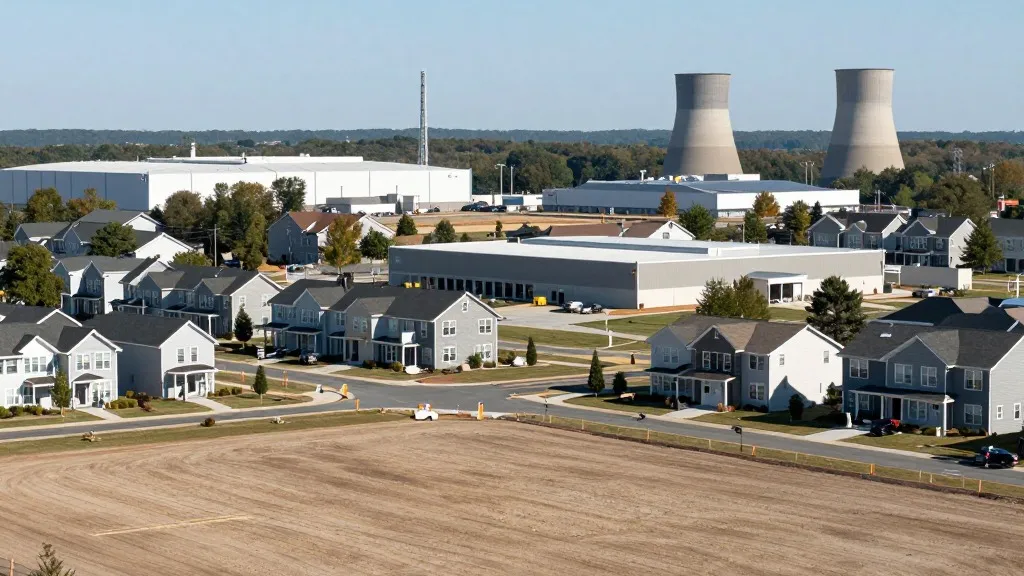
The 122-acre parcel of land in Loudoun County, Virginia, will no longer house four new data centers.
Amazon has officially withdrawn its proposal to build these AI-focused facilities on the former George Washington University campus. This decision follows months of significant opposition from local residents and county officials. The company plans to repurpose the majority of the site for mixed-use and residential development instead. Additionally, Amazon will donate 25 acres to Loudoun County for a community arts center and recreational facility. The tech giant is also contributing $5 million to the county's housing fund.
This pivot marks a notable shift in strategy for Amazon in a region already saturated with such infrastructure. Loudoun County is frequently referred to as Data Center Alley due to having the highest concentration of these facilities globally. However, the local sentiment has changed. Residents expressed deep concerns regarding the noise generated by server farms and the massive amounts of electricity they consume. These factors have led county officials to become more cautious about approving new buildouts.
Amazon initially submitted its proposal in July of this year. The situation escalated in September when the company met with Phyllis J. Randall, the chair of the Loudoun County Board of Supervisors. During that meeting, county leaders suggested that finding an alternative use for the land might be the preferred outcome for the community.
Josh Weissman, Amazon's vice president of data center development, acknowledged the company's initial interest in the property. He stated that Amazon jumped at the chance to purchase the site when it became available. However, Weissman noted that the company carefully considered the county's specific concerns about development at that particular location. He emphasized that while Amazon viewed the property's legal development potential differently than the county did, both parties agreed that a shared vision was better than costly litigation.
The broader context for this decision involves the surge in artificial intelligence. The growing use of cloud services and AI has increased the demand for large, energy-intensive facilities. This boom has sparked local opposition, with communities worried about rising electricity prices and environmental impacts like water shortages. In response to these tensions, President Donald Trump recently called for data center builders to pay local communities a dividend related to energy price increases. He also suggested that these facilities should generate their own power and sell excess energy back to the grid.
County officials framed the outcome as a success of negotiation over confrontation. Randall stated that by choosing dialogue, the county and Amazon created an opportunity for the region. She highlighted that the agreement will provide spaces for residents to gather and play. Most importantly, she noted that the deal will help provide more attainable homes for working families in the area.
The resolution leaves several questions about the future of data center expansion in Northern Virginia. While the immediate conflict is resolved, the underlying issues of power grid capacity and community impact remain. The region continues to grapple with energy constraints as demand for computing power grows. This case may serve as a precedent for how other tech companies negotiate with local governments in high-demand areas.
For investors and market watchers, this move signals that land acquisition costs and community relations are becoming critical variables in tech infrastructure spending. The shift from pure data center construction to mixed-use development suggests a more diversified approach to real estate assets in the tech sector. The $5 million housing contribution and the 25-acre donation further illustrate the financial and social capital companies are now expected to deploy to secure project approvals.
Source: Tom's Hardware