Governor races split 18-18 with 19 open seats and nine battlegrounds
With Republicans and Democrats holding equal offices on the ballot, voters in nine competitive states will decide if the GOP keeps its 16-year majority.
By Pedro Tanaka ·
The map of American state leadership enters a critical moment on Election Day, with the balance of power in the nation's governorships hanging in the air. According to Ballotpedia, Republicans and Democrats each hold 18 of the 36 governorships currently up for election. This even split sets the stage for a pivotal contest where small shifts in statewide voting patterns could determine which party controls the executive branches of state governments for the next two years.
The stakes are particularly high because 19 of these races are open contests. Ballotpedia notes that 15 governors are term limited, while three others, including Kim Reynolds of Iowa, Tim Walz of Minnesota, and Tony Evers of Wisconsin, chose not to seek re-election. Additionally, Daniel McKee of Rhode Island did not make the general ballot after losing his primary. These vacancies create opportunities for challengers to upend established party control in states that have historically leaned one way or the other.
Republicans have maintained a majority of governorships nationwide since 2010. To break this streak, Democrats need a net gain of two governorships. If they succeed, it will mark the first time in two decades that the party holds the majority of state executive offices. This potential shift would provide a platform for Democrats to implement policy agendas at the state level, influencing issues from infrastructure to education in a significant number of states.
Nine states are identified as battlegrounds in the governor races, according to Ballotpedia. These states are Alaska, Arizona, Georgia, Iowa, Kansas, Michigan, Nevada, Ohio, and Wisconsin. In these locations, the margin of victory is expected to be narrow, and candidates are spending heavily to secure the win. The outcome in these states will largely determine whether the national balance of power shifts or remains static.
The Associated Press highlights several key matchups that could tip the scales. In Georgia, Republican health care executive Rick Jackson faces Democratic former Atlanta Mayor Keisha Lance Bottoms. This race is notable because it is an open seat following the term limit of incumbent Brian Kemp. The AP also notes that the race in Nevada, between Republican Governor Joe Lombardo and Democratic Attorney General Aaron Ford, is competitive. In Ohio, Republican Vivek Ramaswamy is running against Democrat Amy Acton, a contest that has drawn national attention due to campaign dynamics and advertising strategies.
Democrats are defending five governorships in states that Donald Trump won in the 2024 presidential election. These include Arizona, where Katie Hobbs is the incumbent, as well as Kansas, Michigan, Pennsylvania, and Wisconsin. In Pennsylvania, Josh Shapiro is seeking re-election in a state that has been a key target for both parties. Republicans, on the other hand, are defending two governorships in states that Kamala Harris won in 2024. These are New Hampshire, where Kelly Ayotte is the incumbent, and Vermont, where Phil Scott is running for another term.
The Associated Press describes the broader election as a referendum on the president's second term, with voters expressing concern over high prices and an unpopular war with Iran. While the presidential race is not on the ballot this year, the mood in the country is influencing how voters approach the state-level contests. The AP reports that 35% of U.S. adults approve of President Trump's job performance, and about 7 in 10 say the country is heading in the wrong direction. This sentiment is likely to spill over into the governor races, particularly in swing states where economic anxiety is a dominant theme.
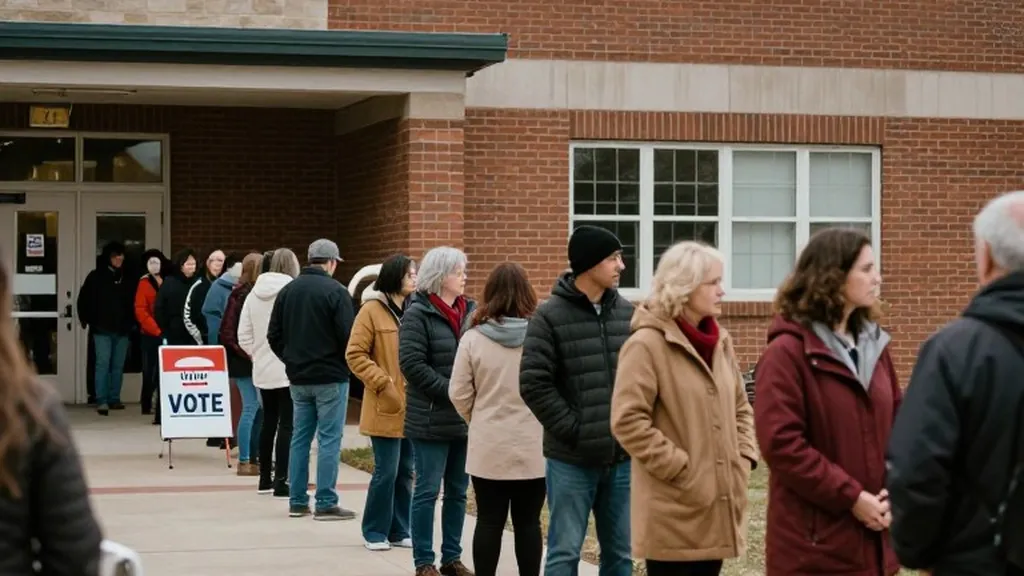
Turnout remains the central variable in these races. Joe Gruters, the Chairman of the Republican National Committee, stated that everything depends on turnout, asserting that if Republicans mobilize their base, they will win. Conversely, Suzan DelBene, the Chair of the Democratic Congressional Campaign Committee, said the American people are angry and want change. Both parties are focused on getting their supporters to the polls, as even a small difference in voter participation could decide these close contests.
The AP also notes that Texas, Florida, and Iowa are considered competitive governor races, even though they are not always listed in the standard nine battlegrounds. In Texas, the race is being watched closely due to the state's size and political influence. In Florida, the new congressional maps created after mid-decade redistricting are affecting the political landscape, although the governor race remains a separate contest. In Iowa, the open seat following the retirement of the incumbent has created an unpredictable environment for both parties.
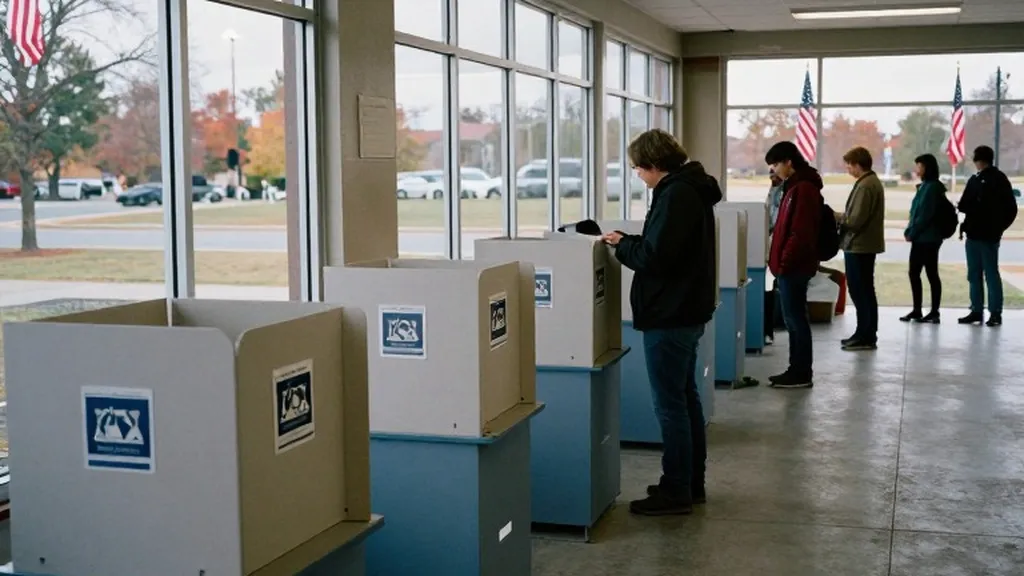
As polls open across the country, the focus is on how voters will respond to the combination of economic pressure and national political tensions. The results of the 36 governor races will provide a clear signal of the direction of state government for the next two years. Whether Republicans maintain their majority or Democrats achieve a historic breakthrough, the outcome will shape the political landscape heading into the 2028 presidential cycle.
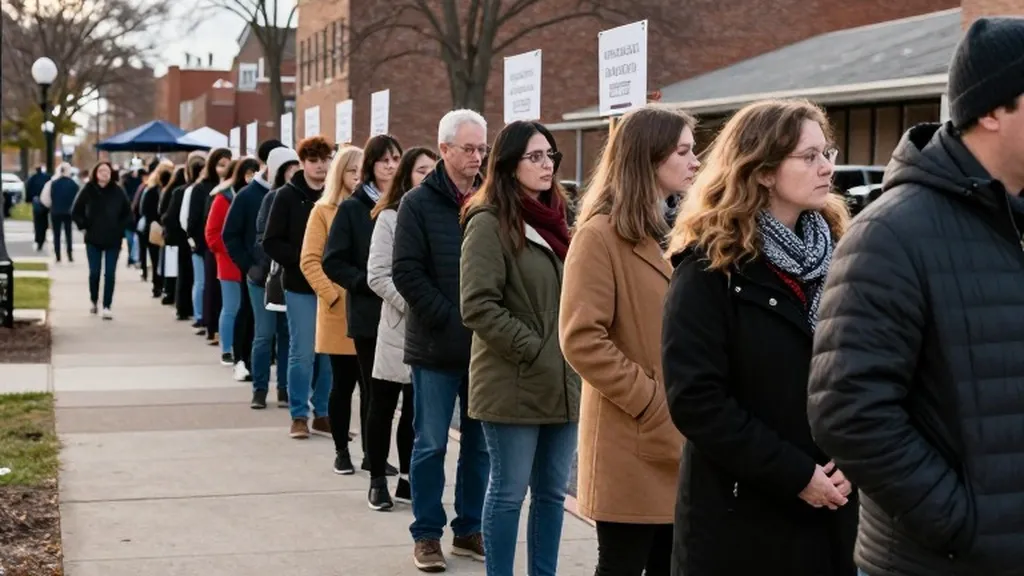
The AP reports that more than 57 million people had already voted as of Monday, surpassing the early vote of four years ago in many closely watched states. This high level of early participation suggests that voters are engaged with the state-level contests as much as the federal races. The final outcome of the governor races will be determined by the votes cast today, with the potential to shift the balance of power in the executive branches of 36 states.