Voters weigh tariffs and rising costs in AP-NORC poll
New data shows economic anxiety driving turnout in key states like North Carolina and Florida as polls open.
By Nikolai Morales ·
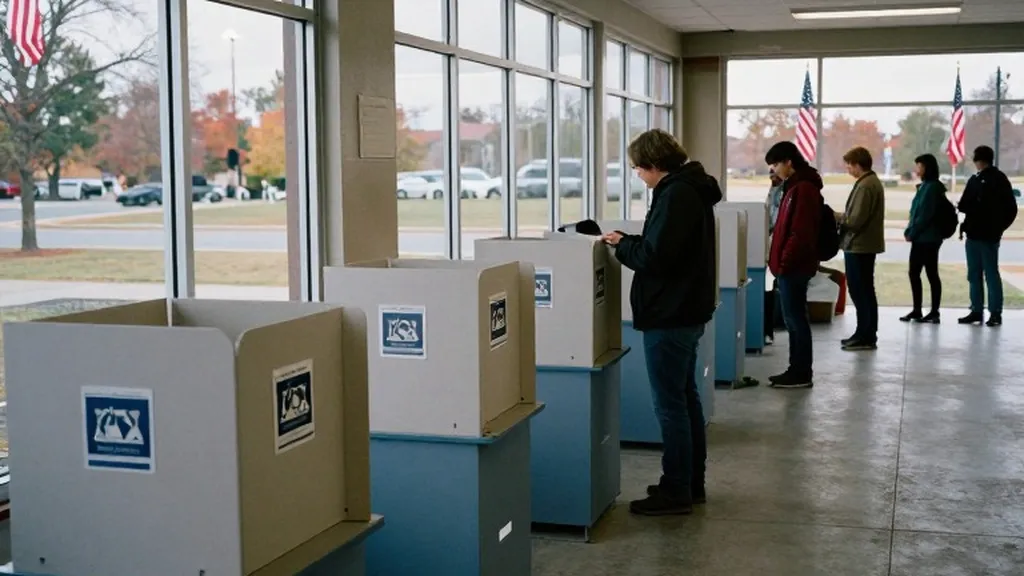
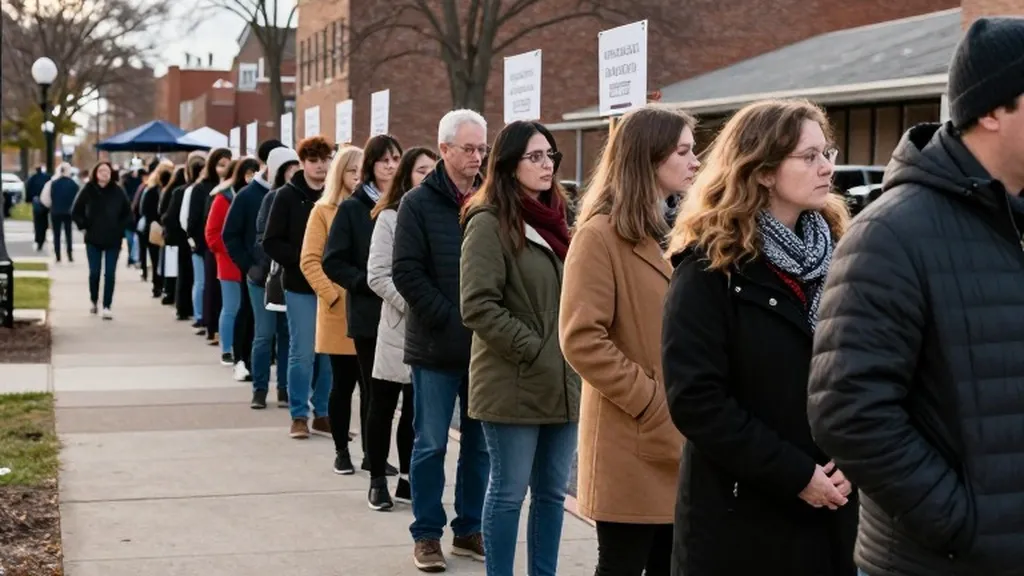
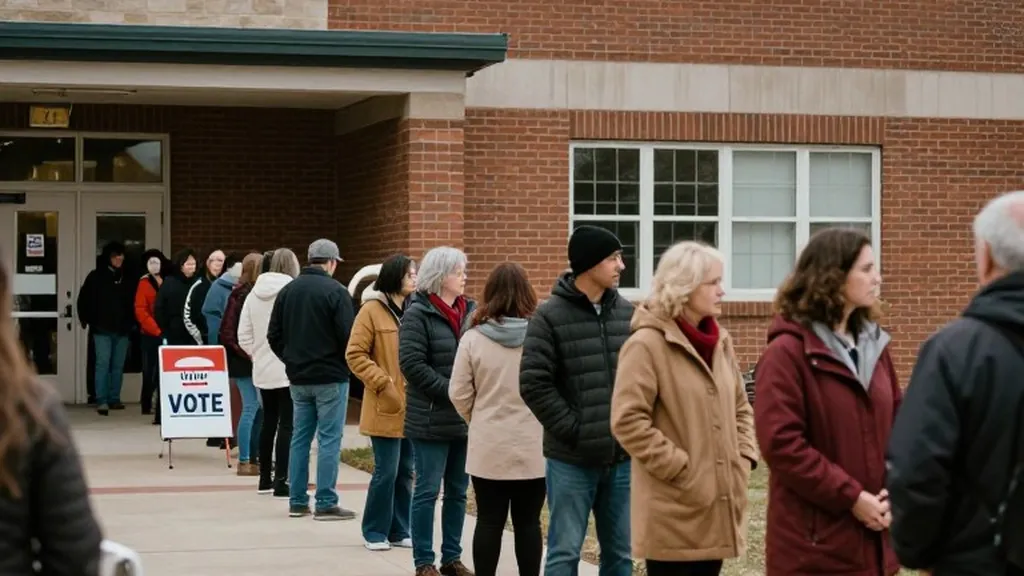
American voters cast their ballots on Tuesday in a midterm election that has become a direct referendum on the cost of living. The Associated Press describes the day as a moment where citizens are struggling with high prices and anger over an unpopular war with Iran. This economic pressure has placed the U.S. economy at the center of the national conversation, overshadowing many other traditional midterm issues.
According to polling from the Associated Press and NORC, only 25 percent of U.S. adults approve of President Donald Trump's handling of the economy. This figure is lower than his overall job approval rating of 35 percent. Approximately seven in ten adults say the country is heading in the wrong direction, with most blaming the president for the current high prices. These numbers suggest that financial strain is a primary driver for voter behavior on Election Day.
The economic mood is palpable in specific battlegrounds where the outcome of the Senate and House races hinges on local sentiment. In Raleigh, North Carolina, voters are facing a new congressional map following mid-decade redistricting. James Moore, a 57-year-old librarian in Raleigh, expressed frustration with the current financial climate. He stated that he is paying more taxes, more for healthcare, and more for everything. His comments reflect the broader anxiety about household budgets that the AP says is motivating voters in this open Senate seat.
In contrast, the mood in parts of Florida shows different priorities for voters. Mark Barker of Palm Beach Gardens, Florida, indicated a preference for the status quo regarding the presidency. Barker said he has been following Trump the whole time and believes the president is doing an awesome job. This split in opinion highlights how the same national economic data can produce different political reactions in different regions, particularly in states like Florida which is using a new congressional map this year.
The tariff issue has emerged as a specific economic grievance for many voters, particularly in the Northeast. The AP notes that economic strain and tariffs have made the Senate race in Maine competitive. Senator Susan Collins faces a challenge from Democratic former state Senate President Troy Jackson. This race is rated as a toss-up by major tracking polls. The focus on trade and import costs suggests that voters are looking for candidates who can address the direct impact of government policy on their daily expenses.
Turnout remains a critical factor as Republicans brace for the possibility of losing the House. RNC Chairman Joe Gruters emphasized that everything depends on turnout, stating that if they turn out their voters, they win. Democrats, led by DCCC Chair Suzan DelBene, argue that the American people are angry and want change. The high volume of early voting, with more than 57 million people having already voted, indicates that economic concerns are driving participation across the political spectrum.
The financial stakes of the election are also evident in campaign spending patterns. The 2026 elections are likely to be the most expensive in history. Republican committees have outraised and outspent Democratic committees, aided by Trump-affiliated groups and Elon Musk. However, an AP analysis of AdImpact data shows that 88.1 percent of Republican general election TV ad spending went to states and districts Trump won in 2024. This strategy suggests an effort to protect the president's core economic base while fighting for control of Congress.
In the House, all 435 seats are up for grabs. Democrats need a net gain of three districts to secure a majority, while Republicans can afford to lose no more than two. Ballotpedia counts 46 battleground districts, many of which are closely tied to local economic conditions. The new congressional maps in states like North Carolina, Texas, and Florida add another layer of complexity to how economic votes are translated into legislative seats.
The Senate race in North Carolina is a prime example of this economic focus. Former Governor Roy Cooper is running against former RNC chair Michael Whatley in the state's open seat. The state voted for Trump in 2024, but the economic discontent highlighted by voters like James Moore suggests the margin is thinner than the presidential numbers imply. The AP notes that one or two seats could tip the balance of either chamber, making the economic vote in these specific districts decisive.
As polls close across the country, the focus remains on what these votes mean for the final two years of Trump's term. If Democrats win even one chamber, investigations and oversight on the cost of living become likely. House Democratic Leader Hakeem Jeffries has outlined a 100-day agenda centered on economic relief. The voters' decision on Tuesday will determine whether the focus on prices and tariffs leads to a shift in power in Washington or a continuation of the current legislative status quo.
The election administration has been marked by efforts to ensure that economic concerns do not translate into procedural barriers. A federal judge temporarily barred the Trump administration from a plan to prevent noncitizen voting, and the U.S. Postal Service added staff to ensure mail ballots are counted on time. These administrative steps aim to keep the focus on the ballot issues, particularly the economy, as voters make their final choices in this historic midterm election.