Trump's Rally Tour and the Fight for Congressional Control
As polls open, the president's low approval ratings and active campaigning contrast with candidates' efforts to maintain independence.
By Lorenzo Patterson ·
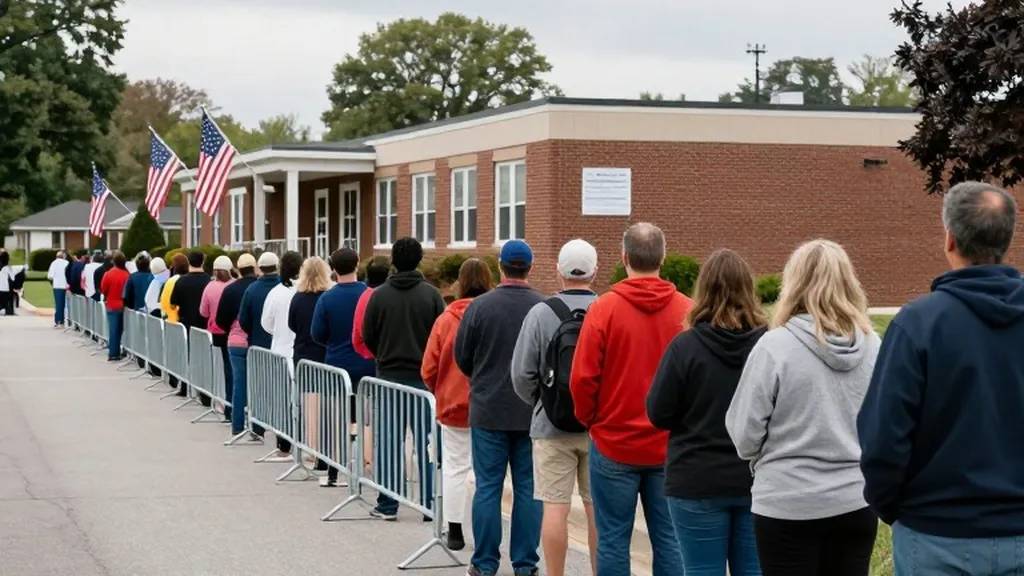
The Associated Press describes the midterm election as a referendum on President Donald Trump's second term, with voters navigating high prices and anger over an unpopular war with Iran. With polls open across the nation, the results will determine who controls Congress for the final two years of the president's term. Republicans hold the majority in both chambers but face the traditional midterm headwind that often sees the president's party lose seats.
President Trump has been actively engaged in the campaign, holding dozens of rallies in the days leading up to the vote. His schedule included stops in Mississippi, South Carolina, and Texas, culminating in Salina, Kansas, on Sunday. In Salina, the president urged supporters to treat his presence as if he were on the ballot, asking them to pretend he was a candidate in the race. This level of direct involvement is a central feature of the current campaign, even as the formal decision rests with voters choosing between congressional candidates.
Despite the president's high profile, many Republican candidates have kept their distance from him during the final stretch. This dynamic reflects a strategic effort to appeal to voters who may view the president separately from their local representatives. The Associated Press notes that while Trump has been a unifying figure for some, his approval numbers have created a complex landscape for the party. According to AP-NORC polling, 35 percent of U.S. adults approve of Trump's job performance. Additionally, 25 percent approve of his handling of the economy, a key concern for many households.
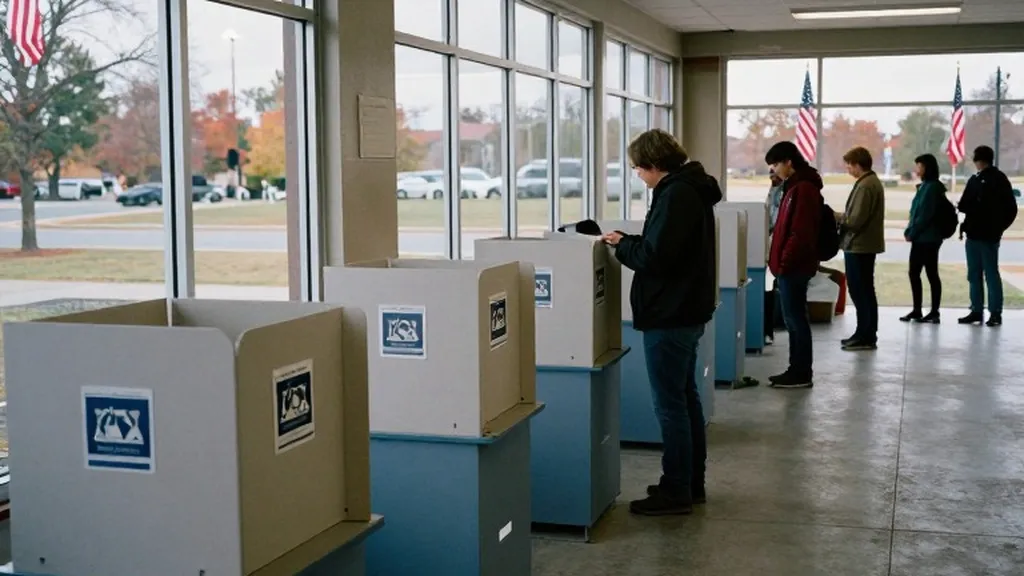
The economic mood is reflected in the broader national sentiment. About seven in ten adults say the country is heading in the wrong direction, with most blaming the president for high prices. This sentiment is visible at polling places where voters are casting their ballots. In Palm Beach Gardens, Florida, voter Mark Barker said he has been following Trump the whole time and believes he is doing an awesome job. In contrast, James Moore, a 57-year-old librarian in Raleigh, North Carolina, noted that he is paying more for taxes, healthcare, and other essentials. These individual experiences highlight the divided opinion among the electorate.
The president has also continued to make claims about voting fraud, including statements that noncitizens vote in large numbers. His administration has filed lawsuits in Alaska and California, and the Justice Department has threatened to prosecute local election officials. These actions have raised concerns among Democrats about potential interference and intimidation. A federal judge temporarily barred the administration from carrying out a plan to prevent noncitizen voting, and another judge ordered the administration to stop demanding that California election officials segregate ballots cast by people on lists of suspected noncitizens.
Republicans are bracing to lose the House and are fighting to hold the Senate. The Associated Press reports that one or two seats could tip either chamber, making the race for control extremely tight. Democrats, meanwhile, are described as cautiously optimistic. In the House, all 435 seats are up for grabs. Republicans hold 218 seats, while Democrats hold 214. Democrats need a net gain of three districts to secure a majority, a threshold that puts pressure on them to win in battleground areas. Ballotpedia counts 46 battleground districts, with 25 currently held by Democrats and 21 by Republicans.
The Senate race involves 35 seats, with 13 considered battlegrounds. Key races include Georgia, where Senator Jon Ossoff faces Republican Representative Mike Collins, and Ohio, where former Senator Sherrod Brown challenges incumbent Senator Jon Husted. In Michigan, Republican former Representative Mike Rogers is running against Democrat Abdul El-Sayed. The outcome in these states will be critical, as Democrats need a net gain of four seats to take control of the Senate. Republicans can afford to lose only two seats to maintain their majority. The stakes are high, as a Democratic victory in either chamber would likely lead to investigations and possible impeachment proceedings.
Governor races are also pivotal, with 36 governorships on the ballot. Republicans currently hold 26 governor's offices, while Democrats hold 24. Democrats would need a net gain of two governorships to achieve a nationwide majority, a feat they have not accomplished since 2010. Competitive races include Georgia, where Republican Rick Jackson faces Democratic former Atlanta Mayor Keisha Lance Bottoms, and Ohio, where Republican Vivek Ramaswamy runs against Democrat Amy Acton. The control of statehouses will influence policy and set the stage for future federal campaigns.
Money has played a significant role in the 2026 elections, which are likely to be the most expensive in history. Republican committees outraised and outspent Democratic committees, aided by Trump-affiliated groups and Elon Musk. However, at the candidate level, Democrats outraised their opponents. Analysis of AdImpact data shows that 88.1 percent of Republican general election TV ad spending went to states and districts Trump won in 2024. This targeted spending reflects the party's strategy to protect its base while competing in swing areas.
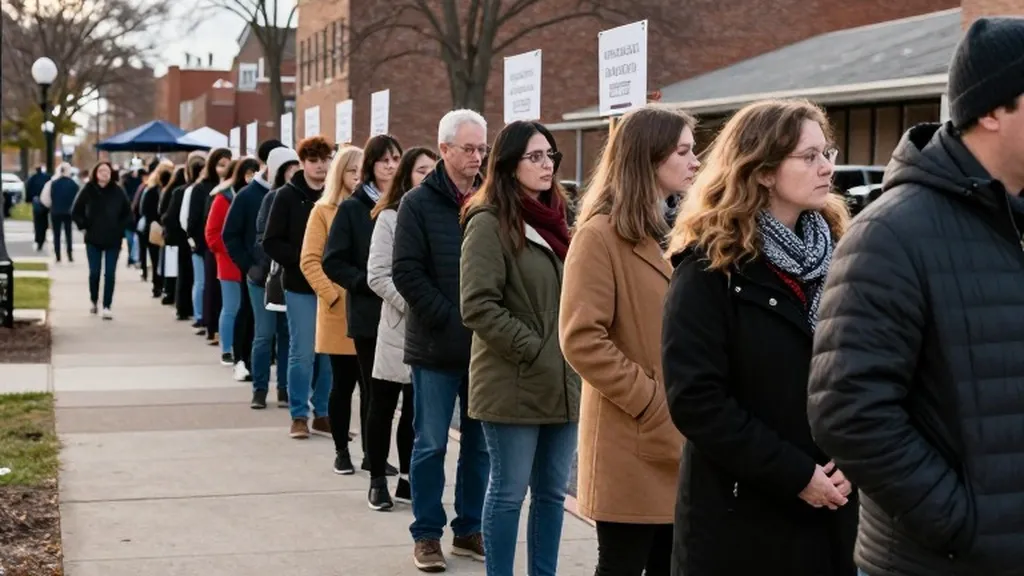
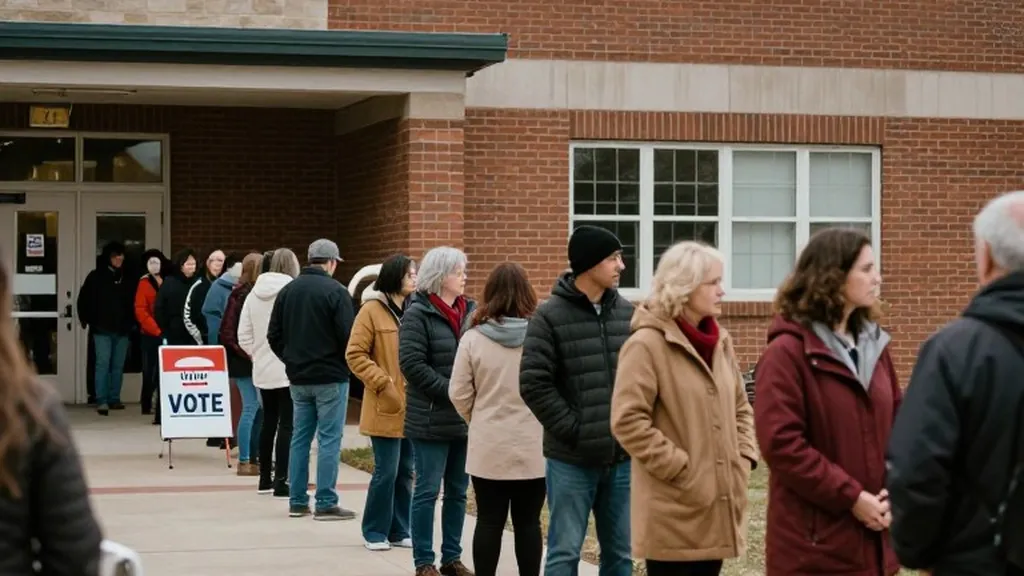
Voters are heading to the polls with a clear focus on turnout. RNC Chairman Joe Gruters stated that everything depends on turnout, emphasizing that if Republicans turn out their voters, they will win. DCCC Chair Representative Suzan DelBene countered that the American people are angry and want change. With more than 57 million people having already voted, surpassing early vote totals from four years ago in many states, the final outcome will hinge on the last-minute surge of voters. The U.S. Postal Service has added hours and staff to ensure mail ballots are counted on time, underscoring the logistical effort behind the election.