Record Spending Defines 2026 Midterms as Party Committees Clash
The 2026 cycle is tracking to become the most expensive in history, with a significant divergence between committee-level fundraising and candidate-level spending.
By Nikolai Morales ·
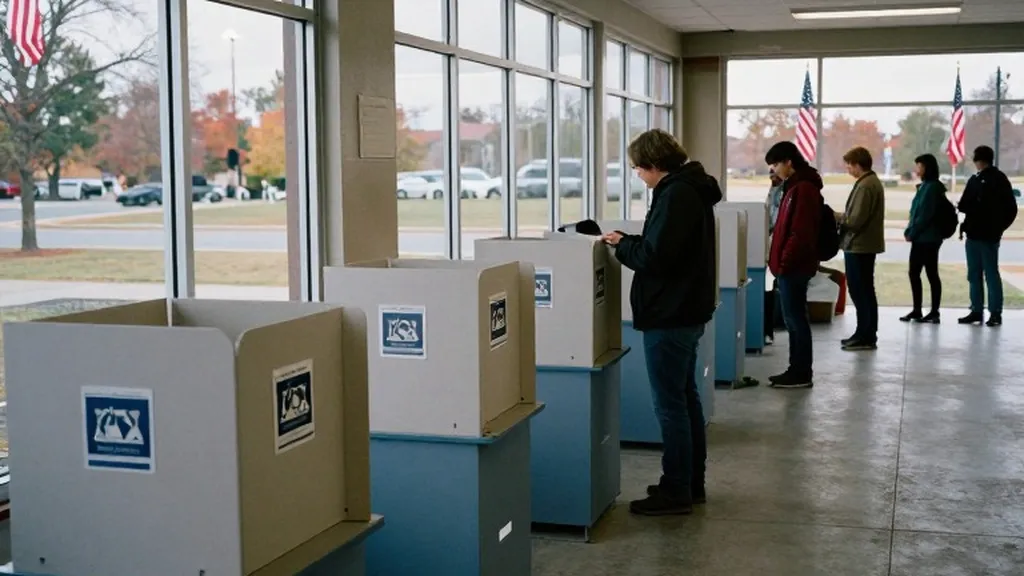
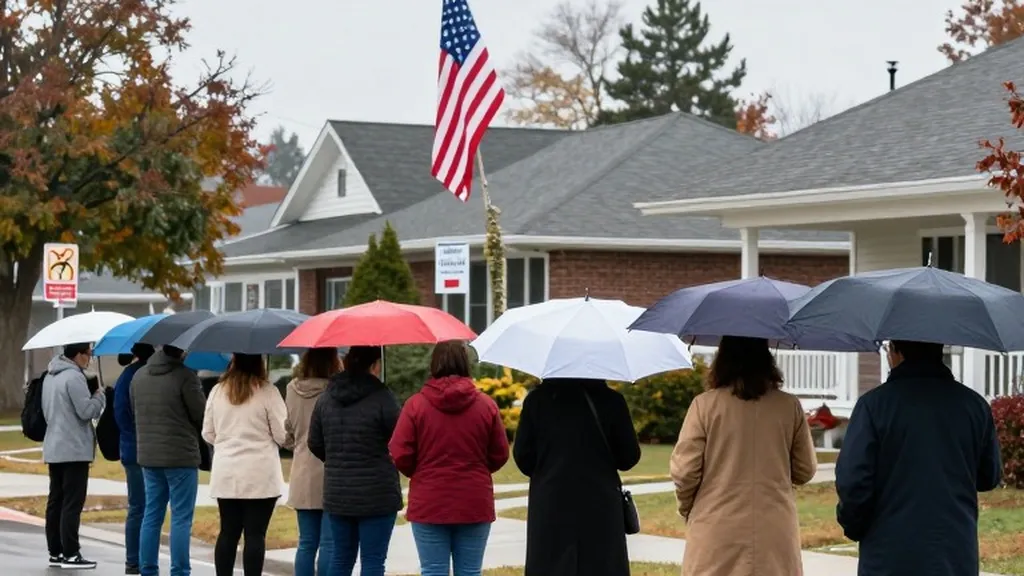
Election Day 2026 is shaping up to be a financial benchmark for American politics. The Associated Press reports that this cycle is likely to become the most expensive election in history. The sheer volume of money involved is creating distinct patterns in how the two major parties are deploying resources. These spending trends are now a central feature of the campaign landscape as polls remain open across the country.
At the committee level, the financial advantage sits with the Republican side. According to AP analysis, Republican committees have outraised and outspent their Democratic counterparts. This edge has been driven significantly by contributions from Trump-affiliated groups and major individual donors. Elon Musk has been a particularly prominent figure in this fundraising effort, contributing heavily to the Republican super PACs and committees. This influx of capital has allowed Republican committees to maintain a sustained presence in media markets across the nation.
In contrast, the Democratic party has shown strength at the candidate level. The AP notes that individual Democratic candidates have outraised their Republican opponents in many races. This suggests a structural difference in how the parties are organizing their financial resources. While Republican committees are spending at a higher aggregate rate, Democratic candidates are managing to secure substantial war chests for their own campaigns. This dynamic is creating a complex financial battlefield that extends beyond simple totals.
The allocation of Republican spending reveals a strategic focus on safe seats. AP analysis of AdImpact data shows that 88.1 percent of Republican general election TV ad spending has gone to states and districts that Donald Trump won in 2024. This heavy concentration of advertising in areas with a strong Republican base indicates a defensive strategy. The goal appears to be ensuring that the party holds onto seats it already controls, rather than aggressively targeting swing districts.
Within that 88.1 percent figure, a massive amount of money has been spent in the strongest Republican territories. More than 850 million dollars in advertising dollars have been spent in states and districts where Trump won by 10 points or more. This level of spending in safe seats is historically unusual and highlights the depth of the Republican war chest. The strategy relies on the idea that overwhelming media saturation can lock in voter support in areas that are less likely to flip to the other party.
This spending pattern stands in contrast to the Democratic approach, which often prioritizes competitive districts. Democrats are using their candidate-level fundraising to target specific battlegrounds where they believe they can gain ground. The AP describes the election as a referendum on Trump's second term, with voters concerned about high prices. This context influences where both parties are placing their bets, with Republicans focusing on retention and Democrats focusing on offensive gains in key states.
The financial disparity is not just about total amounts but also about the source of the funds. The involvement of wealthy individuals like Musk has altered the traditional fundraising model. His contributions have allowed Republican committees to spend more aggressively and for longer durations in key markets. This has forced Democratic candidates to work harder to match the volume of advertising, even if they are not always able to match the committee-level totals.
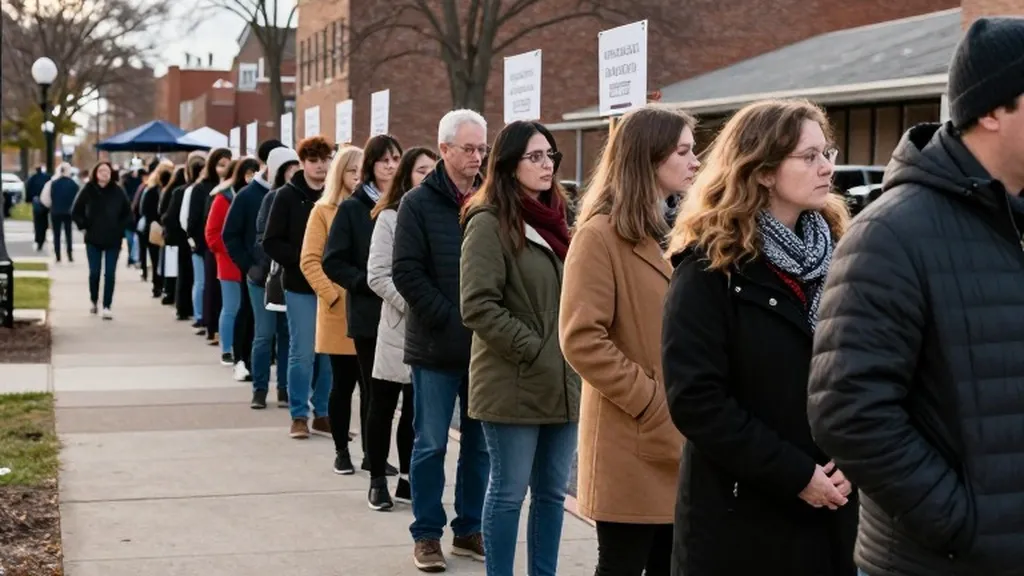
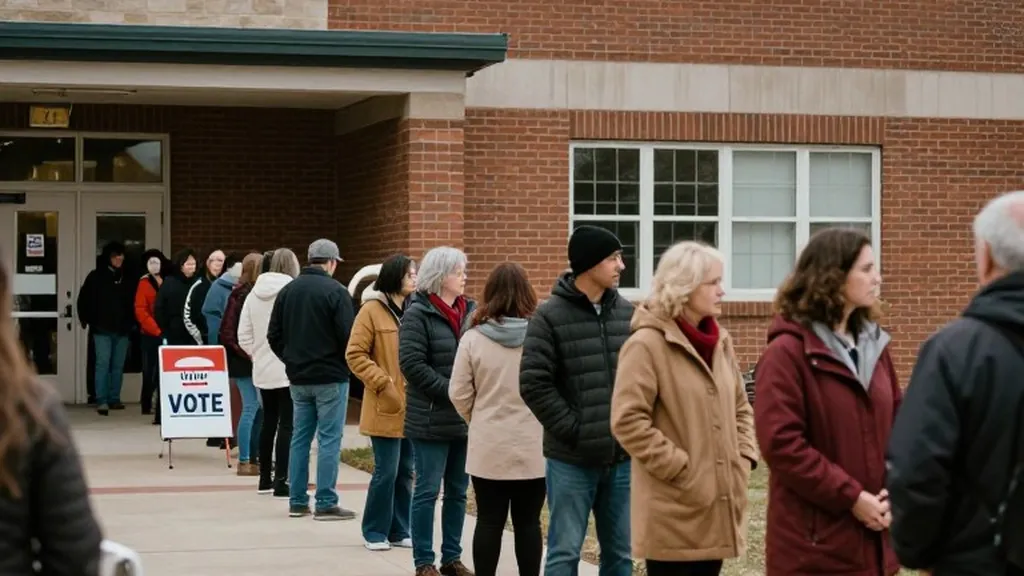
As voters head to the polls, the impact of this spending is visible in the media saturation across the country. The AP notes that more than 57 million people had already voted as of Monday. The high volume of advertising likely contributed to this early turnout. Both parties are hoping that their respective spending strategies will translate into votes on election day. The results will determine who controls Congress for the final two years of the current administration.
The stakes are high for both parties, and the money being spent reflects that urgency. Republicans are bracing to lose the House but are fighting to hold the Senate. Democrats are cautiously optimistic about their chances. The AP analysis suggests that one or two seats could tip either chamber. The financial resources deployed in this election will be a critical factor in how those close races are decided. The data will be closely scrutinized in the days following the election.
For now, the polls are open, and the voters are making their choices. The record-breaking spending of 2026 has set the stage for a contentious and closely watched election. The divergence between committee and candidate fundraising will be a key topic in the post-mortem analysis. As the day progresses, the focus will shift from who spent the most to what those dollars actually achieved on the ground.
The Associated Press reports that the AP-NORC poll shows 35 percent of U.S. adults approve of Trump's job performance. This level of approval is a backdrop against which the massive spending is being measured. Voters are weighing these numbers against the cost of living and other economic concerns. The final results will provide a clear picture of whether the record spending translated into political power for either party.