Democrats Take Control of Congress After Historic Midterm Sweep
Voters rejected President Trump's party nationwide, flipping the House and Senate while Democrats captured key governorships in Texas, Ohio, and Iowa.
By Lorenzo Patterson ·
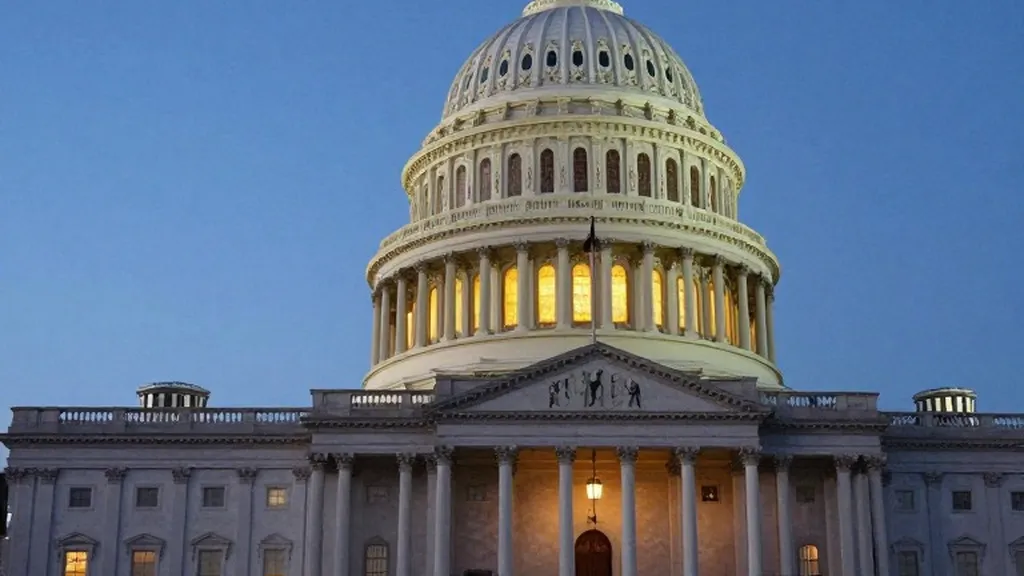
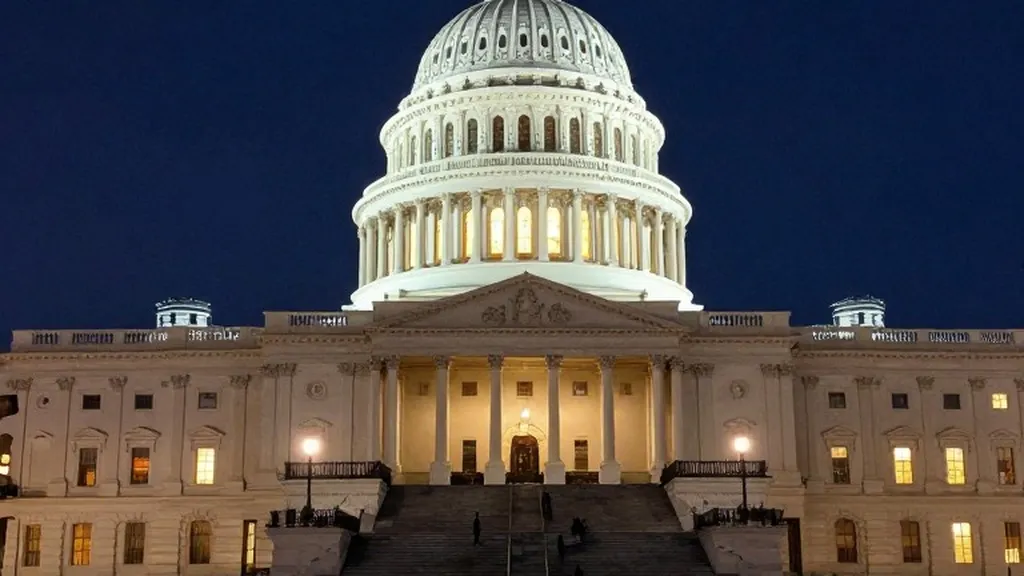
The results are in, and the balance of power in Washington has shifted decisively toward the Democrats. According to Ballotpedia, Democrats have won control of both the U.S. House of Representatives and the U.S. Senate, ending two years of unified Republican control. The Associated Press reports that this is the biggest single-election change of partisan power in state governments since 2010, with Democrats gaining seats in a wave that swept from coast to coast. The new congressional majorities will begin their terms on January 3, 2027, setting the stage for a divided government that promises to challenge the administration's agenda from day one.
In the House, Democrats have secured 233 seats out of the 435 on the ballot, while Republicans have won 138, according to Ballotpedia data as of late on Wednesday. This represents a net gain of 30 seats for the Democrats, a margin that far exceeds the three-seat gain they needed to take the majority. The Associated Press notes that this sweep was driven by voter dissatisfaction with the economy, rising gas prices, and the ongoing war in Iran. The results signal a clear mandate for change, with Democrats poised to launch a 100-day agenda focused on lowering the costs of groceries, gas, and other essential goods.
The Senate race also concluded in a Democratic victory. Ballotpedia reports that Democrats have won 20 of the 35 seats up for election, while Republicans have taken 13. Seven seats changed party control, all shifting to the Democrats. This includes surprising victories in historically Republican states such as Texas, South Carolina, and Kansas. The Associated Press highlights that Democrats won the Senate despite facing a map widely seen as favoring their opponents. This outcome ensures that the new Congress will have the power to confirm nominees and pass legislation, provided the President does not veto their bills.
State races also reflected the national trend, with Democrats capturing full control of state governments in several key battlegrounds. In Texas, Democrats took control of the state House for the first time since 2002, according to the Associated Press. They also elected Gina Hinojosa as their first Democratic governor since 1994. In other states, including Michigan, Minnesota, and Pennsylvania, Democrats retained or won full control of both legislative chambers and the governor's office. In Ohio and Iowa, Democrats flipped the governor's race, breaking long-standing Republican holds on those states. These gains put pressure on the party to address local issues such as housing affordability and education funding.
President Donald Trump reacted to the results by focusing on his White House ballroom construction rather than the party's defeat, according to the Associated Press. He invited reporters to the site and spent nearly 20 minutes discussing the project, stating that he had not been on the ballot. Trump insisted that if he had been a candidate, he would have won in a landslide. He also suggested that voters did not like the Republican candidates, a claim that aligns with the AP Voter Poll finding that about two-thirds of voters said Trump does not have the right priorities. The President's comments underscore a strategy of deflecting blame while pledging to work with the new Democratic leadership in Congress.
The AP Voter Poll indicates that the economy was the primary driver of the Democratic surge. About 8 in 10 voters said inflation has caused a severe or moderate financial hardship for their households. Roughly half of voters cited government corruption and the cost of living as crucial factors in their decision. This sentiment was particularly strong in red states, where a majority of voters expressed dissatisfaction with the country's direction. The results suggest that voters are focused on kitchen-table issues, such as the price of utilities and healthcare, rather than broader ideological debates. Democrats are now expected to prioritize bills that address these economic concerns in the upcoming legislative session.
Redistricting efforts by Republicans in eight states did not prevent the Democratic wave, according to the Associated Press. Trump had urged these states to redraw congressional maps to secure a House majority, but the plan fell flat in several key areas. In Texas, Republicans reconfigured districts in the Rio Grande Valley, but Democrats still won the state House and retained their Senate seat. In Florida, Democrats retained seats that Republicans had targeted for flipping. The AP notes that the redistricting may have mobilized additional Democratic voters in some parts of the country. This backfiring of the GOP strategy highlights the power of voter sentiment over map design in a midterm election year.
Democrats are already looking ahead to the challenges of governing in a divided government. House Democratic Leader Hakeem Jeffries said the party is ready to deliver on the promise of change. He noted that the new majority will focus on holding the administration accountable and reversing cuts to healthcare programs. The Associated Press reports that Democrats are preparing a robust oversight agenda, with some members calling for investigations into the President's actions. The threat of impeachment remains on the table, though it is not yet the primary focus. The new Congress will also face the task of negotiating with the President on budget and spending bills, a process that could lead to gridlock if the two sides cannot find common ground.
The election results have also had international implications, with leaders around the world reacting to the shift in power. British Prime Minister Andy Burnham expressed hope that the new Congress would focus on ending the Iran war, which has sent fuel prices soaring. Ukrainian President Volodymyr Zelenskiy said he hoped the Democratic gains would lead to more support for Ukraine in its war with Russia. The Associated Press notes that the election outcome will likely affect U.S. energy and environment policy, as Democrats move to rein in data center development and address rising utility bills. These global reactions underscore the significance of the midterm results for U.S. foreign policy and trade relations.