Senate Shifts to Democrats as Seven Seats Flip in Historic Midterm
Democrats have secured a majority in the U.S. Senate, flipping seven seats from Republican control in a wave that reshaped the chamber's partisan balance.
By Pedro Tanaka ·
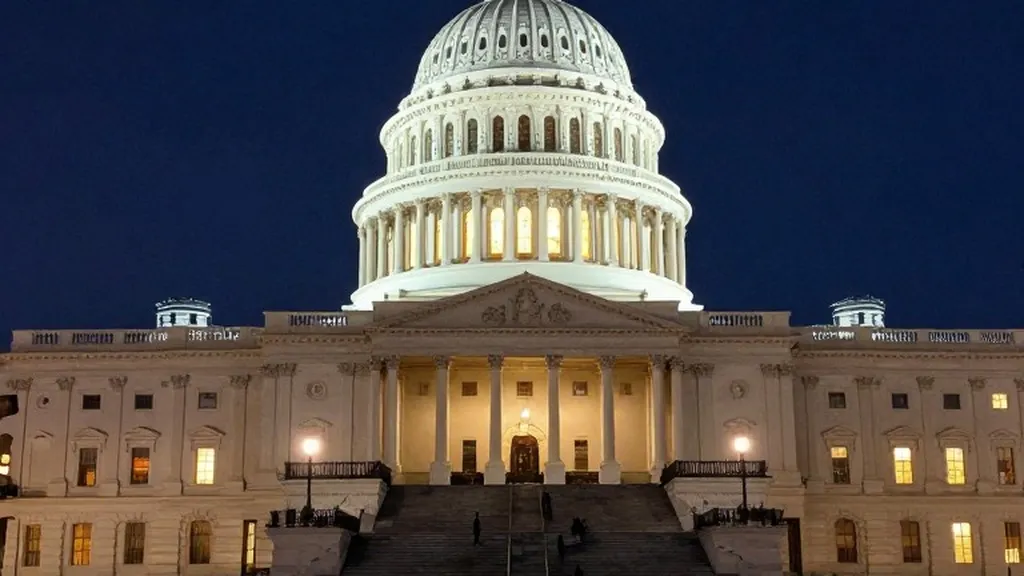
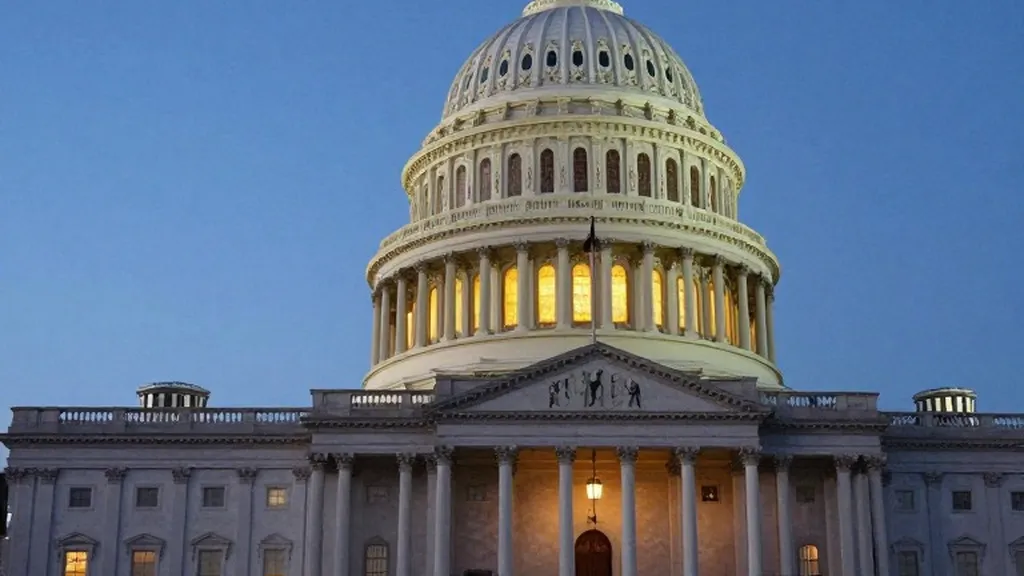
Voters on Tuesday delivered a decisive shift in the balance of power at the United States Senate, with Democrats securing a majority in the chamber for the first time in years. According to Ballotpedia, as of 9:05 AM ET on November 4, Democrats had won 20 of the 35 Senate races on the ballot, while Republicans had won 13. Two races remained uncalled, both previously held by Republicans, and seven seats changed party control entirely, all moving to the Democratic column.
Prior to this election cycle, Republicans held a 53 to 47 majority in the Senate, a position secured by their net gain of four seats in the 2024 general election. The 2026 map presented a significant challenge for the minority party. Ballotpedia noted that Democrats needed to gain a net of four seats to win a majority, whereas Republicans could lose only two seats and retain control. The outcome exceeded the threshold required for a Democratic takeover, marking a historic reversal in the chamber's partisan composition.
The Associated Press reported that voters elected Democrats in states long considered reliably Republican, including Kansas, South Carolina, Texas, Ohio, and Iowa. These states were all won easily by President Donald Trump in the 2024 presidential election. In Kansas, Democrat Adam Hamilton defeated Republican Senator Roger Marshall, becoming the first Democrat to win a Senate seat in that state since 1932. Hamilton is a Methodist megachurch pastor who campaigned on issues of economic stability and governance.
South Carolina also saw a dramatic shift, with pediatrician Annie Andrews defeating Republican Senator Darline Graham. This victory made Andrews the first Democrat to win a Senate seat in South Carolina since 1998. In Texas, James Talarico defeated Ken Paxton for the Senate, contributing to a broader Democratic sweep of statewide offices in a state where no Democrat had won a statewide race since 1994. Lt. Gov. Dan Patrick acknowledged in a statement that the results represented a wave election in Texas and across the country.
Ballotpedia identified 12 seats as battleground races heading into the election, with Democrats controlling three and Republicans controlling nine. The list of competitive races included seats in historically red states, reflecting the national mood of discontent. In Maine, Democrat Troy Jackson defeated Republican incumbent Susan Collins, who conceded her bid for a sixth term. The Associated Press declared Jackson the winner at 1:02 a.m. EST on Wednesday, noting that Maine has supported Democrats for president since 1992.
Democratic Senate Leader Chuck Schumer of New York described the results as a generational remake of the Senate map. He told reporters that Americans had voted for change. The victory was attributed in part to high voter dissatisfaction with the direction of the country. The AP Voter Poll found that about three-quarters of voters felt angry or dissatisfied with the country's current trajectory. Roughly half of voters cited government corruption and the cost of living as crucial factors in their voting decisions, ranking these issues higher than immigration enforcement or the war in Iran.
Republicans had hoped their financial advantage would help stem the tide, but they faced difficulties in turning out low-propensity voters. President Trump campaigned in several red states, including Kansas, Mississippi, and South Carolina, urging voters to act as though he were on the ballot. However, many Republican candidates kept their distance from the president, a strategy that may have influenced turnout. Trump declared in a Fox News Channel interview on Tuesday that inflation was solved, even though consumer prices had risen 3.6 percent in September from the year earlier, according to the Commerce Department.
The Associated Press noted that more than 59 million people had cast ballots before Tuesday, surpassing early voter turnout from 2022. This high level of participation reflected the intensity of the election as a referendum on President Trump's second term. Voters were particularly concerned about the economy, with three-quarters saying it was not so good or poor. About eight in ten said inflation had caused a severe or moderate financial hardship for their households, making it harder to afford basic essentials such as gas and groceries.
In Michigan, Abdul El-Sayed defeated Republican Mike Rogers in a bitter campaign for the open Senate seat. El-Sayed, the son of Egyptian immigrants, will become the nation's first Muslim senator. He overcame massive outside spending with a grassroots campaign focused on universal health care and removing outside money from elections. His victory was seen as a breakthrough for the progressive wing of the Democratic Party, potentially bolstering their agenda ahead of the 2028 presidential election.
The shift in the Senate has immediate implications for federal oversight and appointments. Reuters reported that the Democratic control of the Senate strengthens the Federal Reserve against President Trump's efforts to meddle with it, as the Senate holds significant power over appointments. This change in power dynamics is expected to create a new era of congressional resistance to the president's agenda, particularly in areas such as trade policy and international relations. The results underscore the political toxicity of inflation and economic concerns in the current climate.
Democrats also secured control of the House of Representatives, with Ballotpedia reporting that they had won 211 seats as of 3:01 AM ET on November 4, compared to 122 for Republicans. With 102 races uncalled, the Democratic lead in the House appears secure. This dual control of Congress marks a significant shift in the balance of power in Washington, setting the stage for increased scrutiny of the executive branch. The new congressional majority is poised to take office on January 3, 2027, and will face the challenge of governing in a divided political landscape.