South African President Receives Report on Iranian Warship Drills
A confidential review explains why Iranian vessels joined January exercises despite the leader's prior instruction to stand down.
By Lorenzo Patterson ·
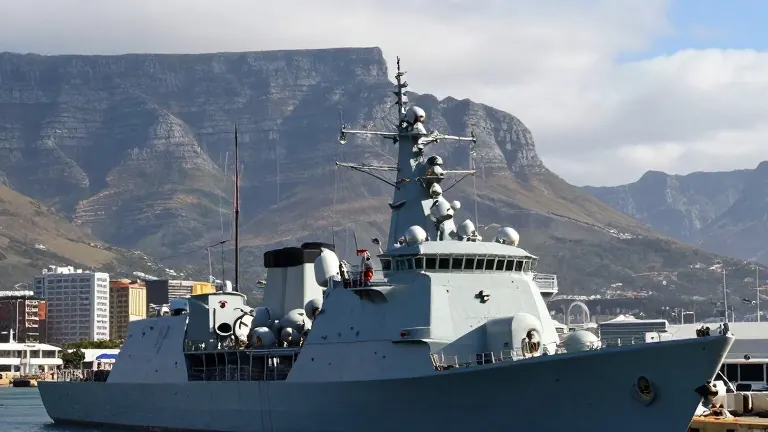
South African President Cyril Ramaphosa has received the final report on the inclusion of Iranian warships in naval maneuvers held off Cape Town in January. His office confirmed the document was delivered on Tuesday. The findings will remain private while the president conducts his review.
The investigation addresses a specific breach of protocol. Ramaphosa had ordered that Iranian vessels, which had already arrived in South African waters, should not participate in the weeklong drills. The report examines whether high-ranking military officials or Defense Ministry staff ignored that directive.
A retired judge led the inquiry at the president's request. Ramaphosa initiated the probe in February, stating there was a clear failure to follow instructions. He mandated that the findings go directly to him rather than to the Defense Ministry. This structure was designed to keep the process independent from the very agencies under review.
The decision to allow Iran to take part occurred during a period of intense friction between the United States and Tehran. The drills took place while mass protests rocked Iran and a government crackdown resulted in more than 7,000 deaths. The U.S. and Israel launched military strikes against Iran one month after the exercises, marking the start of a wider war.
Washington has criticized Cape Town for its diplomatic stance. President Donald Trump’s administration has accused South Africa, the continent's largest economy, of pursuing an anti-American foreign policy. The inclusion of Iran in the BRICS-organized drills added to that criticism. The BRICS bloc has grown to 11 members in recent years, with Iran joining in 2024.
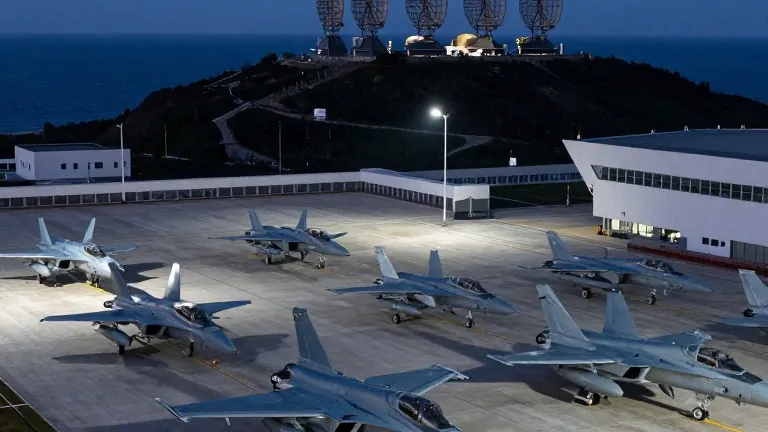
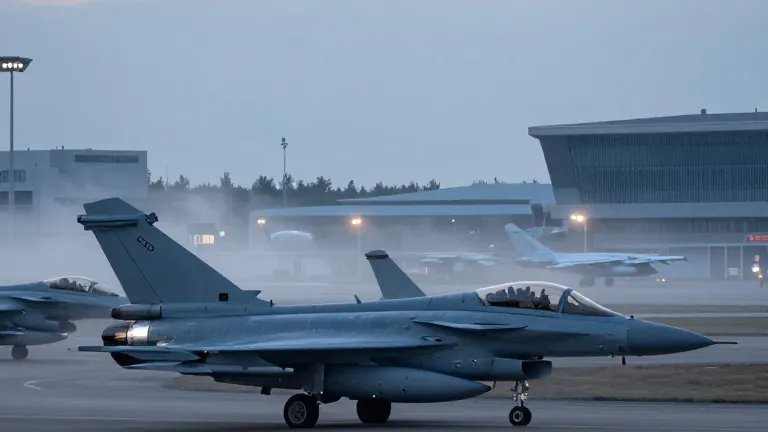
The naval exercises involved ships from South Africa, China, Russia, and Iran. The U.S. has viewed the expanding BRICS group as a geopolitical and economic counterweight to American influence. Ramaphosa's initial order to keep Iran out was an attempt to limit diplomatic fallout with Washington.
The report is now in the hands of the president. No further details on the findings have been released to the public. The review process remains confidential until the president decides otherwise.
Source: WTOP News