Trump Pushes AI Giants to Share Energy Profits With Neighbors
The President is calling for data center operators to distribute financial dividends and surplus power to local communities to mitigate rising utility costs.
By Thomas Reynolds ·
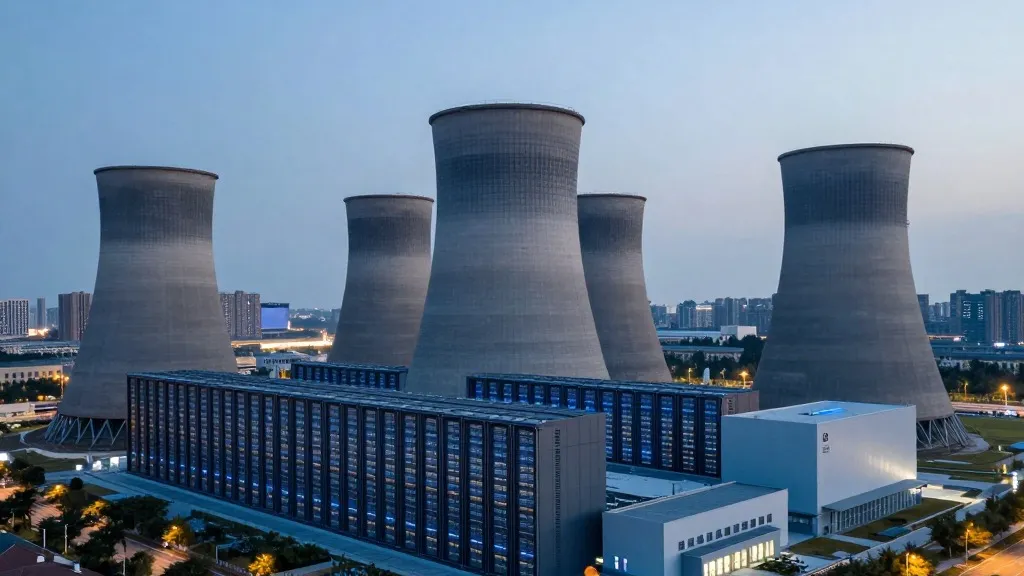
President Donald Trump has issued a new directive aimed at reshaping the relationship between artificial intelligence infrastructure and the neighborhoods that host it. In a recent post on Truth Social, the President called on data center builders and major AI hyperscalers to provide a financial dividend to local communities. The goal is to offset the sharp increases in energy prices that often accompany the construction of these massive facilities, or potentially even drive local utility costs down. This move seeks to make the presence of data centers more acceptable to residents who have increasingly voiced their dissatisfaction.
The administration’s position is clear: these facilities should not only generate their own electricity, a requirement previously established, but they must also return the excess power to the local grid. By selling or gifting this surplus energy back to the community, the President argues that the economic burden on nearby households can be alleviated. This strategy is part of a broader effort to maintain the United States’ competitive edge against China in the AI sector while simultaneously winning back favor with the public. The administration hopes that by ensuring data centers contribute to local energy stability, they can smooth the path for future construction projects.
Local opposition to AI data centers has grown in intensity across the country. Residents in small communities frequently protest due to the outsized impact these facilities have on their daily lives. Common grievances include skyrocketing electricity bills, persistent noise pollution, and significant strain on local water supplies. Additionally, concerns over air quality, deforestation, and general ecological damage have made these projects a difficult sell in many regions. Trump’s proposal attempts to address the most immediate financial pain point by suggesting that data centers partially pay for the rising costs of electricity that affect homes in the vicinity.
The President emphasized the practical benefits of such arrangements, noting that data centers which were previously unpopular have become well-received once a financial agreement was reached. He urged developers to "MAKE DEALS, and get them built!!!" to accelerate the pace of construction. This approach complements a recently passed act that requires data centers to cover the costs of necessary grid upgrades, preventing those expenses from being shifted onto local taxpayers. The administration believes that by sharing the energy load, the community will view the infrastructure as a partner rather than a burden.
However, significant questions remain regarding the practicality and long-term success of this mandate. Critics note that calling the payment a "dividend" is unusual, as companies typically only pay dividends when they are profitable. New data center builds often operate at a loss during the initial construction and recoupment phases, raising doubts about their immediate ability to pay out. Furthermore, the power generation currently being installed in the short term often relies on gas-powered generators, which can be noisy and polluting. This may not be an ideal solution for neighbors living in close proximity, especially when compared to conventional power plant output.
Beyond energy costs, other environmental challenges persist. Issues such as enormous water consumption and ecological damage remain major hurdles that a financial dividend may not fully resolve. While the economic aspect is a critical facet of the problem, it is only one part of a larger equation. Whether these payments will be sufficient to win over skeptical communities, or if they will simply become another line item in corporate negotiations, remains to be seen. For now, the administration is betting that shared energy benefits will be the key to unlocking the next wave of AI infrastructure development.
Source: Tom's Hardware