Qatar Aims for Defence Autonomy by 2031
A new five-year strategy seeks to reduce reliance on external security guarantees through integrated air defence and diversified partnerships.
By Lorenzo Patterson ·
Qatar plans to achieve what its strategists call defence autonomy by 2031, a state of independence that allows the nation to protect its vital interests even if external security guarantees are limited or withdrawn. The policy shifts focus from relying on a single major power to building a self-sufficient national capability over the next five years.
The strategy identifies six pillars for this transformation: air and missile defence, early warning systems, protection of critical infrastructure, air and naval power, cybersecurity, and the restructuring of security policy. The goal is not to build an army capable of defeating a major regional power alone, but to ensure the state can withstand attacks and maintain continuity of government and economy.
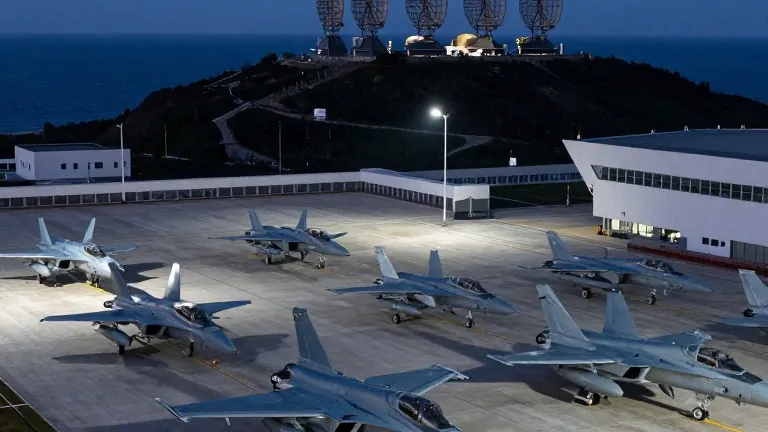
The most immediate priority is closing gaps in the current air defence shield. Qatar possesses advanced fighter aircraft and defence systems, but these are not yet fully integrated. The plan calls for a multilayered radar network that combines civilian and military assets under a unified national command and control centre. By 2031, the system must function independently of US forces, including through expanded counter-drone capabilities and large national stockpiles of ammunition.
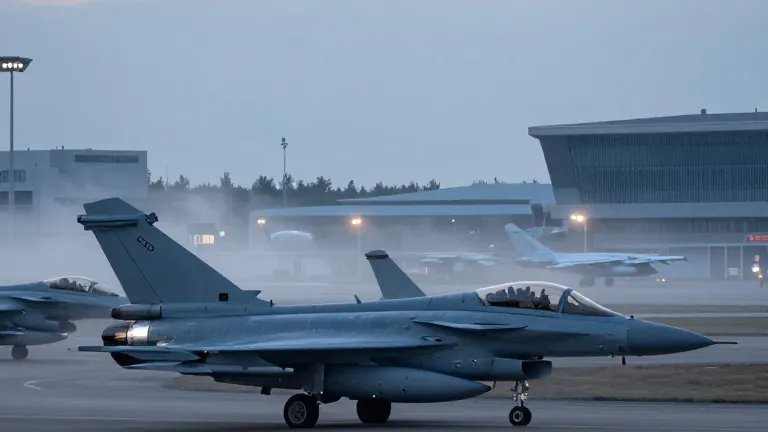
The air force component focuses on sustainability rather than size. Policymakers aim to ensure that Qatari pilots can sustain operations for several consecutive weeks if external supply lines are disrupted. This requires increasing domestic production of ammunition, expanding maintenance capacity, and dispersing stockpiles to protect them from concentrated strikes. The plan also includes developing ground and aerial refuelling capabilities to extend the range and endurance of the fleet.
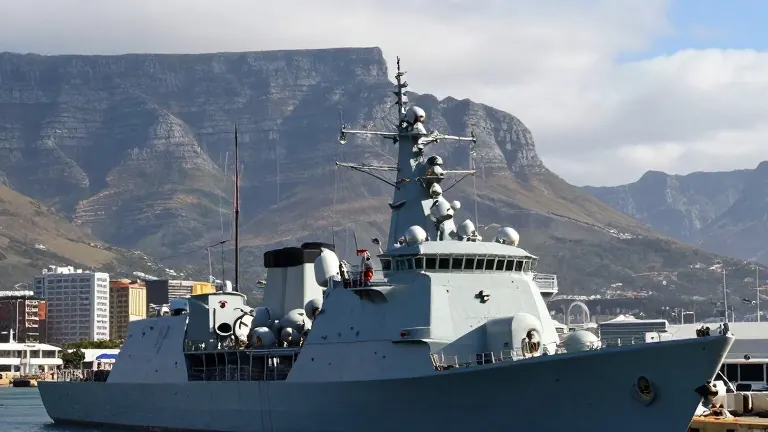
Maritime security is treated as both a military and economic necessity. Because liquefied natural gas and oil exports depend on safe shipping lanes, the naval force will be designed to make attacks on offshore infrastructure difficult and costly. Priorities include improving maritime surveillance, countering maritime drones, and securing ports. The objective is a smaller, technologically advanced fleet rather than a large one.
A national resilience programme will protect critical facilities such as desalination plants, power stations, and data centres. The strategy mandates that every sector maintain adequate backup capacity. For example, if a major water plant stops operating, an alternative source must be available to prevent a supply issue from becoming a national crisis. This approach aims to keep political and economic activities functioning during a prolonged emergency.
The plan also emphasizes information sovereignty. Qatar seeks to develop independent capabilities in space-based reconnaissance, unmanned aerial vehicles, and electronic intelligence. By combining commercial and military satellites with national data analysis tools, the state aims to detect threats before they reach its territory without waiting for intelligence from the United States, France, or the United Kingdom.
Finally, the strategy calls for diversifying security guarantees. While maintaining cooperation with the United States, Doha intends to pursue partnerships with South Korea, Turkey, European powers, and regional states like Pakistan and China. This diversification is designed to reduce the risk associated with dependence on a single ally, ensuring that Gulf security remains a matter of global interest rather than a bilateral obligation.
Source: Al Jazeera