Opposition Bloc Names Kahana as Knesset Speaker Candidate
Leaders agreed on committee assignments for the interim period, aiming to shift legislative control from the caretaker government.
By Lorenzo Patterson ·
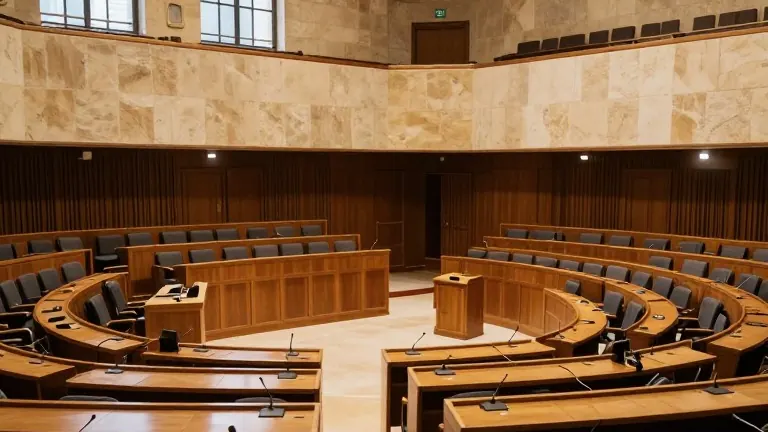
The 26th Knesset convenes on Tuesday, November 10, against a backdrop of political deadlock following the October 27 election. Neither the governing nor the opposition bloc secured the 61 seats required to form a coalition, leaving the legislative agenda in a state of flux. This vacuum has intensified negotiations over who controls the parliamentary machinery during the interim.
Leaders of the opposition bloc announced they have agreed to nominate Matan Kahana for the role of Knesset Speaker. Kahana, a former minister and IDF Colonel, will lead the effort to replace Amir Ohana, the current Likud-affiliated speaker. The move is designed to grant the opposition greater authority over votes, legislation, and committee appointments, even if Benjamin Netanyahu remains head of a caretaker government.
The agreement resolves a dispute among Gadi Eisenkot, Naftali Bennett, Avigdor Liberman, and Yair Golan. The bloc settled on Kahana after a joint meeting between Eisenkot and Liberman on Monday. Liberman had previously signaled support for Yair Lapid, but the final accord prioritized a unified front. This shift gives the opposition structural leverage over the legislative calendar before a new government is formed.
Key committee assignments were also finalized to manage the transition. Avigdor Liberman will chair the Foreign Affairs and Defense Committee, which oversees national security and military budgets. Liran Avisar Ben-Horin was selected to head the Finance Committee, while Roy Folkman will lead the Arrangements Committee. This temporary body organizes the Knesset's work at the start of the term.
Kahana served as Religious Services minister from 2021 to 2022 and resigned his seat in July 2025. His military background includes service in Sayeret Matkal and training as an F-16 pilot. The committee structures will be finalized by the Arrangements Committee this week. They are scheduled for a plenum vote next Wednesday, a process that requires at least 61 MKs to formally support the speaker's replacement.
Gadi Eisenkot received the mandate to form a government from President Isaac Herzog on Sunday. He has 28 days to build a coalition, with a possible 14-day extension. Eisenkot stated that unconventional steps are needed to bridge the political divide. The opposition's control of the speaker's office and key committees provides a procedural advantage in these negotiations, allowing them to influence the legislative pace during the critical first weeks of the new term.