Markets Brace for Policy Shifts as Democrats Take Control
Investors assess the impact of a Democratic sweep on AI spending, debt limits, and trade alliances following the midterm results.
By Lorenzo Patterson ·
Global markets are closely monitoring the shift in federal power following the midterm elections, where Democrats secured majorities in both chambers of Congress. The results mark a significant change in the legislative landscape, with the party of President Donald Trump suffering substantial losses. Wall Street analysts are now evaluating how this new control will affect key economic issues, including artificial intelligence infrastructure spending, the federal debt ceiling, and trade policies with key allies. The transition from a divided government to a unified Democratic leadership creates a different environment for fiscal policy and international relations.
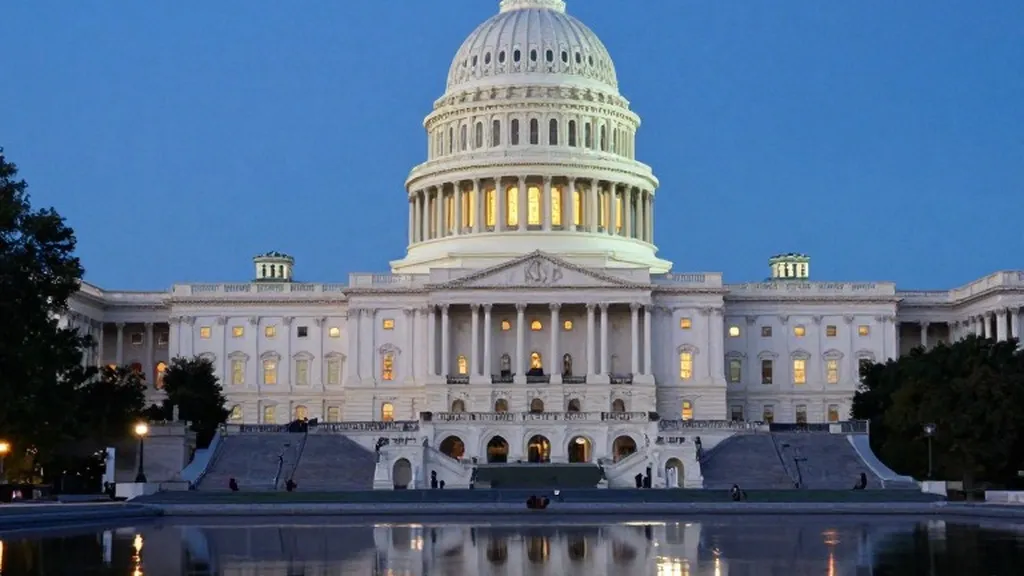
Democrats picked up at least 43 House seats and seven Senate seats in the November 3 elections. As of the latest reports, Democrats hold a 250-157 majority in the House and a 54-44 majority in the Senate. This level of control gives the new leadership the ability to advance a legislative agenda that may differ from the previous Republican-led approach. The loss of the majority for Republicans has prompted internal discussions about strategy and future leadership, but the immediate focus for financial markets is on the policies the new Democratic majority intends to pursue.
Artificial intelligence spending has been a central topic in recent economic discussions. The new Congress will play a role in determining funding for AI research and infrastructure projects. Investors are watching to see if the Democratic majority will support continued investment in this sector or shift priorities toward other technological and infrastructure needs. The outcome of these decisions could influence the growth of major technology companies and the broader digital economy.
The federal debt ceiling remains a critical issue for financial stability. With Democrats controlling both the House and the Senate, the process for raising or suspending the debt limit may change. The new leadership will need to negotiate with the executive branch to ensure the government can meet its financial obligations. Market participants are assessing the potential for fiscal discipline or expanded spending under the new majority. The approach taken on the debt ceiling will have direct implications for interest rates and bond markets.
Trade policy is another area of intense scrutiny. The new Democratic leadership may seek to renegotiate trade agreements or adjust tariffs to protect domestic industries. Allies and trading partners are watching closely to see if the shift in power will lead to more cooperative or restrictive trade measures. The balance between protecting American jobs and maintaining strong international economic ties will be a key challenge for the new Congress. Changes in trade policy could affect global supply chains and market confidence.
Senate Democrats have begun conversations about their leadership structure, with some incoming members calling for a new generation of leaders. Sen. Bernie Sanders stated he would not support Sen. Chuck Schumer for the role of Democratic majority leader. Sen. Elissa Slotkin joined Sanders in calling for a vigorous debate about the party's direction. This internal dynamic may influence how the party approaches economic legislation. Investors are monitoring these internal discussions to understand the potential policy direction of the new majority.
Senate Republicans reelected Sen. John Thune as their leader despite significant losses in the election. Thune, who has served as leader since early 2025, will guide the party in the minority. The re-election of Thune provides stability for the GOP as they prepare for their new role. However, some Republican senators expressed frustration with the election results and the need for a new strategy. The minority leadership will focus on oversight and holding the administration accountable, which could impact policy implementation.
In the House, Rep. Jim Jordan of Ohio was elected as the Republican minority leader. Jordan, a co-founder of the House Freedom Caucus, defeated Rep. Steve Scalise in the leadership vote. Jordan emphasized his experience in committee hearings and his readiness to face the new Democratic majority. His leadership style may influence how Republicans approach negotiations with the new majority. The House leadership transition marks a new chapter for the party as it prepares for a period of reduced power.
The election results also included significant gains for Democrats in state governments. Democrats won a majority of governorships and state legislative chambers for the first time since before the 2010 elections. This broad sweep of power gives the party a stronger position to implement its agenda at the state level. State-level policies on energy, infrastructure, and trade may also influence national economic trends. The alignment of state and federal leadership under one party could accelerate certain policy initiatives.
Financial markets are reacting to the uncertainty surrounding the new legislative agenda. While the shift in power may bring changes to specific policies, the overall direction of the economy remains a key concern for investors. The new Congress will need to work with the executive branch to address fiscal and economic challenges. The ability of the new leadership to pass legislation and manage the budget will be a critical factor in market performance. The coming months will provide more clarity on the policy priorities of the new Democratic majority.
The results of the 2026 midterm elections have set the stage for a new era in American politics. The Democratic majority in both chambers of Congress presents opportunities and challenges for the economy and international relations. As the new leadership takes office, the focus will be on implementing policies that address key issues such as AI spending, the debt ceiling, and trade. The response from Wall Street and global markets will depend on the specific actions taken by the new Congress. The coming year will be pivotal in determining the economic direction of the country.