Johnson's 'Chaos' Warning Echoes as Democrats Take House
Speaker Mike Johnson's campaign warnings of a two-year period of disorder have materialized as Democrats secured a 250-157 majority in the House, reversing his party's record of tax cuts and spending reductions.
By Nikolai Morales ·
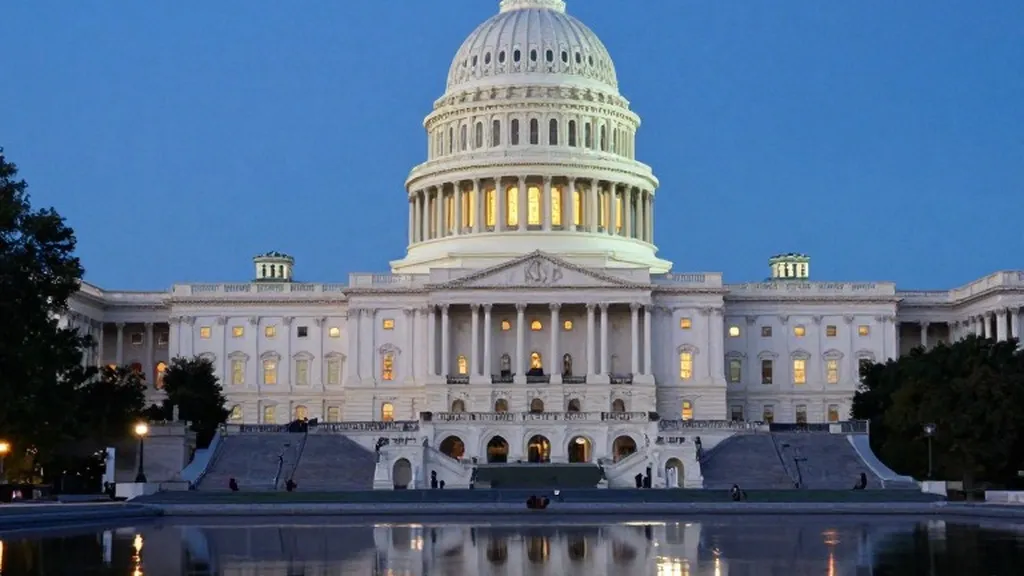
House Speaker Mike Johnson spent the final weeks of the 2026 campaign cycle warning that a Democratic-controlled House would bring immediate and sustained disorder to Washington. In a USA Today op-ed published on October 30, Johnson described the upcoming midterm election as a choice between two completely different visions for America, framing the outcome as a test of whether the nation would preserve or tear down the foundations that made it great. His messages were urgent, pointing to the growing influence of the Democratic Socialists of America and the potential for legislative gridlock that would define the next two years.
During a recent interview on Fox News, Johnson painted a vivid picture of the challenges ahead. He stated that if Democrats took control, it would be chaos every day for two years in the next Congress. He emphasized that the new leadership would go after retribution against President Donald Trump and his administration, attempting to open the borders wide and repeal the Working Families Tax Cut. Johnson argued that every vote would matter, recalling that ten House races in 2024 were decided by 6,000 votes or less.
The Speaker specifically cited the political strategist James Carville, who had suggested that Democrats would rather lose the House than win it by a narrow margin. Johnson agreed with this assessment, writing that even a narrow Democratic House would be held hostage by the DSA. He argued that the party’s leaders were welcoming socialist candidates into their big tent, ceding unprecedented power to a cadre whose stated aim was to remake the party and end the free market system.
Johnson used France as a cautionary tale, describing the country's recent violent riots and looting as a dark harbinger of what could happen in the United States. In his op-ed, he noted that the chaos in France was the result of decades of misguided policy choices, including lax immigration and border enforcement, along with suffocating regulation and government largesse that stagnated growth. He warned that by abandoning principles of assimilation and fiscal restraint, French leaders allowed their nation to be looted and burned by far-left radicals, a scene he hoped American voters would avoid by choosing Republican leadership.
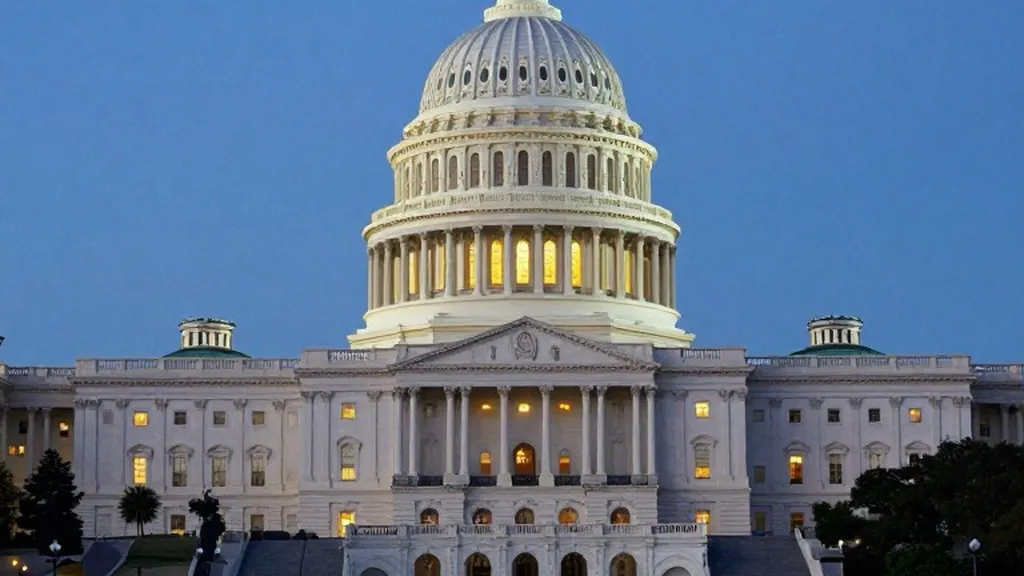
Despite these warnings, voters delivered a decisive victory for the Democratic Party on Tuesday, November 3. According to election results, Democrats won majorities in both the U.S. House and Senate. In the House, Democrats picked up at least 43 seats, resulting in a 250-157 majority as of November 6. This represents a net loss of at least 42 seats for the Republican Party, a significant swing that underscores the intensity of the midterm referendum on the president's second term.
In the Senate, Democrats won seven seats that were previously held by Republicans, securing a 54-44 majority. These gains occurred in states including Iowa, Kansas, Maine, North Carolina, Ohio, South Carolina, and Texas. The net loss of seven Senate seats places this election in the top 20% of election years in terms of seat swings against a president’s party, a threshold often defined as a wave election. The results signal a strong shift in power that will define the legislative landscape for the next two years.
House Republicans had campaigned on a record of historic results under Johnson’s leadership. In the 119th Congress, the party delivered $4.6 trillion in lower taxes, which proponents described as the largest middle- and working-class tax cut in history. They also claimed a $1.6 trillion reduction in wasteful government spending and the creation of the first-ever nationwide school choice program. Johnson emphasized that these achievements were accomplished despite Democrats forcing three government shutdowns, including the longest in U.S. history.
Supporters of the Republican majority highlighted additional accomplishments, such as the lowest violent crime rate in 126 years and the largest decline in prescription drug costs in 60 years. The party also credited the addition of more than one million private-sector jobs to the economy and the reshoring of American manufacturing. Johnson’s office noted that the Speaker inherited a divided conference and used patience and discipline to create a record for legislative effectiveness that was historic, even with one of the slimmest House majorities in history.
Former Speaker Newt Gingrich praised Johnson’s leadership, stating that he created a record for legislative effectiveness that is historic. He noted that Johnson worked daily with President Trump to win when defeat seemed certain. Other conservative leaders, including Kevin Roberts of The Heritage Foundation, described Johnson as a true statesman who delivered consequential conservative policy victories through some of the slimmest congressional majorities. They emphasized that the party had protected families from tax hikes and expanded the Child Tax Credit.
Greg Sindelar of the America First Policy Institute applauded Johnson for passing the One Big Beautiful Bill into law. He highlighted that the legislation protected families from tax hikes and provided critical resources to secure the border. Sindelar also noted the passage of the HALT Fentanyl Act, which strengthens law enforcement’s ability to combat deadly fentanyl in communities. These legislative wins were central to the Republican message that they had delivered on their promises while their opponents focused on rhetoric.
The transition of power in the House will see Democrats taking the helm of key committees, including Education and the Workforce. Rep. Bobby Scott, the top Democrat on that committee, has already signaled plans to leave no rock unturned in his investigative efforts. He intends to explore the Trump administration's dismantling of the Education Department and its oversight of federal student loans. This marks a sharp contrast to the Republican agenda, which had prioritized reducing federal spending and regulating the executive branch.