Democrats seize control of both chambers, setting stage for clash with Trump
With healthy majorities in the House and Senate, the new leadership promises aggressive investigations, while the White House signals a combative response to the midterm results.
By Lorenzo Patterson ·
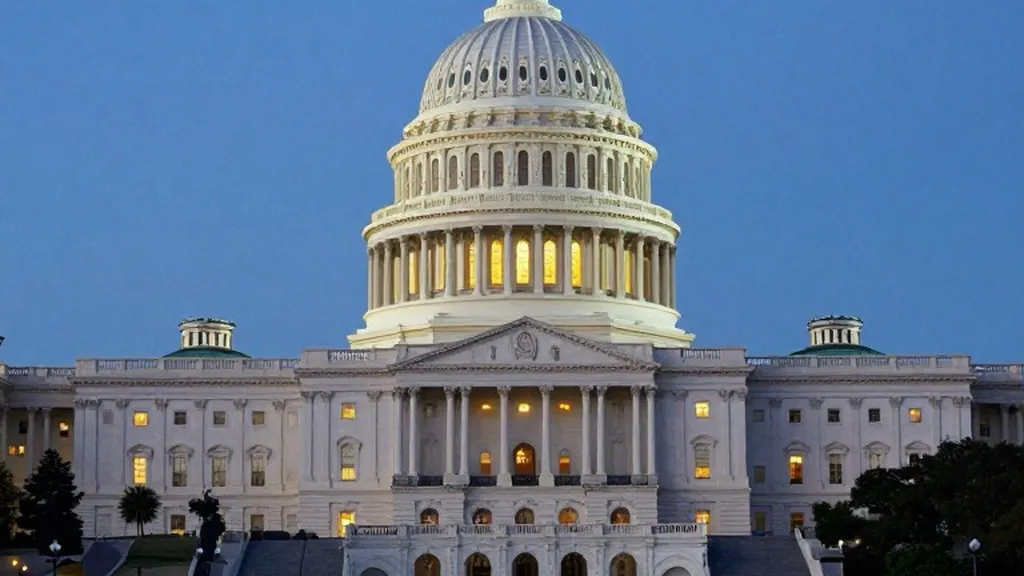
The midterm election results have fundamentally altered the balance of power in Washington, with Democrats securing healthy majorities in both the House and Senate. This decisive outcome marks a significant shift in the political landscape, positioning the party to assert a stronger role in checking the executive branch during President Donald Trump's remaining two years in office. The victory was characterized by strong voter engagement, with national surveys indicating that approximately 70 percent of voters believe Congress has not done enough to provide checks and balances on the presidency. This sentiment appears to have driven the electorate to support candidates who pledged to restore institutional oversight and accountability.
President Trump has already set a defiant tone in response to the results. In a statement on social media, he described the investigative requests made by the new congressional leadership as extortion at the highest level, suggesting that those who pursue them should be held accountable. Attorney General Todd Blanche echoed this stance, indicating that criminal investigations of Democrats are a possibility. Blanche argued that members of the administration and associated companies are not to be threatened, reflecting the White House's intent to resist what it views as overreach by the new majority. This early rhetoric suggests that the coming years will be defined by intense conflict between the two branches of government.
In the House, Democratic Leader Hakeem Jeffries is poised to become the nation's first Black House speaker. He has framed the new majority's agenda around holding the administration accountable for actions that have shortchanged or stolen from the American people. Jeffries stated that the days of Democrats not fighting back are over. He emphasized that while he is ready to work with the other side of the aisle whenever possible, the primary focus must be on delivering real results. This stance contrasts with the more cautious approach taken by some new senators, who are wary of letting conflict with the president define the legislative agenda.
Rep. Robert Garcia of California, who is set to chair the powerful House Oversight Committee, is preparing for an aggressive investigative campaign. He has labeled the current administration the Trump crime family and asserted that Democrats are not going to be intimidated. Garcia’s approach highlights the determination of the new leadership to scrutinize executive actions closely. However, this strategy is not without internal debate. Some Democrats are concerned that a heavy focus on investigations could distract from the party’s central promise to lower the cost of living for struggling families. There is a fear that if the conflict with Trump becomes the defining feature of the next two years, the healthy majorities won in this election could prove fleeting.
Newly elected senators have expressed varying degrees of skepticism regarding the pace and scope of the upcoming investigations. Sen.-elect Adam Hamilton, the first Democrat elected from Kansas to the Senate in 94 years, expressed doubt about the immediate pursuit of impeachment. He stated that his campaign was focused on bringing people together and that he does not want the next two years to be spent dividing the country further. Hamilton indicated a preference for setting up guardrails rather than focusing exclusively on removal from office. Similarly, Sen. Bernie Sanders of Vermont, an independent who caucuses with Democrats, warned that the chamber cannot spend all its time investigating the president. He emphasized the need to stand up for working-class families and make a real difference in their lives.
The election results also highlighted the importance of the economy and cost of living as key issues for voters. Democrats campaigned heavily on the need to make life more affordable, a theme that resonated with voters across the country. The new leadership is now tasked with translating these promises into policy. In New Mexico, Democrat Deb Haaland won the governorship, becoming the first female Native governor of a U.S. state. Haaland, who traces her ancestry in the state back 800 years, has pledged to address persistently poor education outcomes and make life more affordable for New Mexicans. Her victory adds to the list of historic firsts achieved in this election cycle.
In the Senate, Democrat Peggy Flanagan of Minnesota secured a victory, becoming the first Native American woman elected to the chamber. Flanagan credited the support of Native women in her community for her success. She will join Oklahoma Republican Sen. Tom Cole, a citizen of the Chickasaw Nation, in representing Native interests in the upper chamber. These victories mark a turning point for Native American women in politics, whose leadership has historically been underrepresented in formal power structures. The wave of milestone victories in this election includes not only Flanagan and Haaland but also other historic firsts in federal and tribal leadership.
The Navajo Nation also saw a historic change in leadership, with Crystalyne Curley elected as the first woman president of the tribe. Curley narrowly defeated attorney Justin Jones in the race. She plans to transition the Navajo Nation away from coal development and reassert its role in national discussions on federal Indian policy. Curley noted that she faced sexist rhetoric during her campaign and expects to be held to a higher standard as the first woman to lead the tribe. Her victory is seen as a win for all Navajo women and a testament to the growing political organizing among Native communities. The Navajo Nation, which spans 27,000 square miles across Arizona, New Mexico, and Utah, is the largest federally recognized tribe by land base.