Midterm Money: Record Spend, GOP Edge, and the 850 Million Question
With the most expensive election in history behind them, Republicans hold a slight fundraising advantage while Democrats banked more at the candidate level.
By Lorenzo Patterson ·
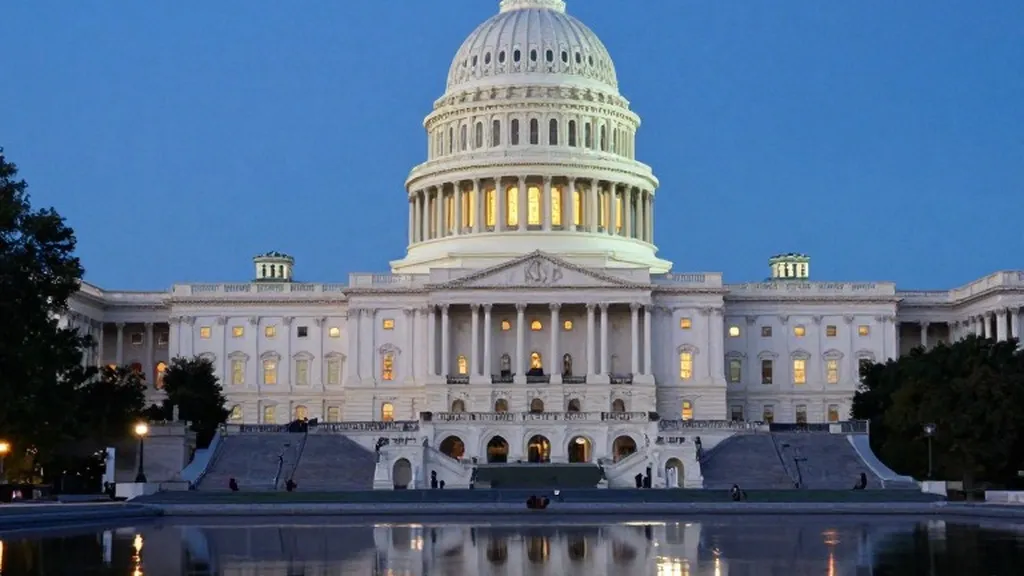
The 2026 midterm elections have concluded with a financial footprint that defines the most expensive election in American history. As the dust settles on the voting process, the sheer volume of capital deployed by both parties has reshaped the political landscape. The total expenditure figures have set new records, signaling a deepening entrenchment of money in the electoral process. This financial intensity was not merely a byproduct of the stakes but a core driver of the campaign strategies employed by both sides.
Republican committees maintained a distinct edge in total funding throughout the cycle. This advantage allowed them to sustain high-volume advertising campaigns in key battleground states. The data indicates that the aggregate spending by Republican-aligned committees exceeded that of their Democratic counterparts. This structural funding advantage is a critical factor in understanding the overall financial dynamics of the election. It provided a buffer that allowed for sustained pressure on voters across the nation.
The figure of 850 million dollars stands out as a central metric in this financial analysis. This amount represents a significant portion of the total funds raised and spent by the leading committees. It underscores the scale of the operation required to influence a national election in the modern era. The 88.1 percent figure further highlights the efficiency and reach of the fundraising efforts. These numbers are not just abstract statistics; they represent the tangible resources that fueled the messaging and media buys that defined the final weeks of the campaign.
Elon Musk’s involvement added a notable layer of complexity to the fundraising landscape. His contributions and support for specific candidates helped to bolster the Republican financial position. The integration of private wealth into the party’s broader fundraising apparatus demonstrated a shift in how political capital is generated and deployed. This infusion of resources allowed for targeted digital advertising and ground game enhancements that were crucial in several close races. The alignment of tech industry wealth with political objectives has become a defining feature of recent electoral cycles.
Despite the overall committee edge held by Republicans, Democrats secured a candidate-level funding advantage. This distinction is vital for understanding the nuances of the election’s financial structure. While the party committees may have had more aggregate resources, individual Democratic candidates often raised more per seat than their Republican counterparts. This candidate-level edge allowed for stronger local campaigns and more direct voter engagement in specific districts. It highlights a divergence in how funds are allocated between the top-down committee structure and the bottom-up candidate efforts.
The disparity between committee totals and candidate-level funds suggests different strategic priorities for each party. Republicans focused on leveraging committee resources to support a broader network of candidates, while Democrats emphasized individual fundraising drives. This approach likely reflected the specific challenges each party faced in the 2026 environment. The ability to raise funds at the candidate level often correlates with strong local organizational capacity and volunteer networks. This grassroots financial strength was a key component of the Democratic strategy in holding and gaining seats.
The economic backdrop of the election played a significant role in how voters perceived these financial inputs. With the economy a primary concern for many Americans, the scale of election spending was scrutinized by the public. The record-breaking nature of the funds raised and spent raised questions about the cost of political representation. This financial intensity was felt in the advertising saturation that voters experienced in their daily lives. The volume of messaging was a direct result of the massive capital pool available to both parties.
The 88.1 percent figure also serves as a benchmark for the effectiveness of fundraising campaigns. It indicates a high level of donor engagement and participation across the political spectrum. This level of support reflects the deep polarization and high stakes of the 2026 midterms. Donors were willing to contribute significant amounts to ensure their preferred candidates had the necessary resources to compete. This collective action by supporters was instrumental in reaching the record-breaking totals that characterized the election.
As the new Congress prepares to convene, the financial legacy of the 2026 election will continue to shape legislative priorities. The candidates who won with strong fundraising bases may push for policies that reflect the interests of their major donors. The committee structures that managed the massive inflows of cash will also play a role in setting the party agenda. The interplay between money and policy will be a central theme in the upcoming sessions of Congress.
The record spending of 2026 marks a turning point in how elections are funded and fought. The Republican committee edge and the Democratic candidate-level advantage represent two different models of political finance. Both strategies proved effective in securing their respective goals within the broader context of the most expensive election in history. The 850 million dollar figure and the 88.1 percent engagement rate will serve as reference points for future electoral cycles. The money raised and spent has now set the standard for what it takes to win in a deeply divided America.
The final tally of funds deployed in 2026 will be studied by political scientists and strategists for years to come. It represents a peak in the commercialization of the democratic process. The ability to raise such vast sums in a short period demonstrates the enduring power of political fundraising. As the new members of Congress take their seats, they will carry with them the financial expectations of the donors who helped elect them. The money has spoken, and its influence will be felt in the corridors of power for the next two years.