Luxury Resale: The RealReal Updates Bot Rules
The company changed its security settings to stop AI agents from holding designer items in carts for extended periods.
By Nikolai Morales ·
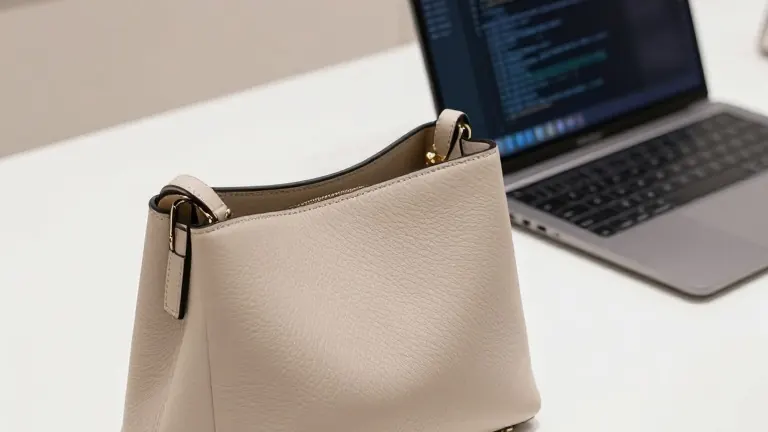
Online shoppers have grown accustomed to human error and indecision, but AI agents do not feel hesitation. The RealReal, a secondhand luxury fashion retailer, announced it is updating its bot defense system to make it harder for these automated programs to shop on its site. The move aims to prevent artificial intelligence from locking up inventory that human customers want to buy.
The RealReal allows items to go on hold for 20 minutes once a user places them in a shopping cart. During that window, other shoppers cannot purchase the item. A previous investigation found that an AI agent could exploit this rule. By using Meta's Muse app, users could instruct the agent to re-add listings to the cart the moment the 20-minute timer expired. This allowed the agent to block other buyers from purchasing specific designer pieces for hours or even longer.
Chief Technology Officer Luke Friang confirmed the company has addressed the specific issue raised by recent reporting. In an email, Friang stated that the bot defense configuration now makes it much more difficult for agents to log in, add items to carts, and complete checkouts. The agent can still show listings and direct users to product pages, but the process of securing an item has become more complex. Friang said the company will keep strengthening these protections as AI shopping evolves.
Meta has not yet responded to requests for comment on the matter. The company recently highlighted shopping as the most common use case for Muse. During its third-quarter earnings call, Meta noted that average purchases through the app exceeded $200. The app has gained rapid traction, with 10 million people in the United States downloading it within 40 days of its launch.
Technology firms are marketing these agents as always-on assistants that handle tasks like scheduling and purchasing. However, this shift creates friction for retailers. If humans stop visiting websites directly and instead use chatbots to browse, businesses lose direct contact with their customers. Major retailers like Amazon have already started blocking agents to protect their advertising revenue and maintain customer relationships.
The RealReal's update reflects a wider adjustment in the digital marketplace. Retailers are now competing not just with other stores, but with automated systems that do not tire or lose interest. While a human shopper might eventually drop an item from their cart, an agent will keep it held indefinitely if programmed to do so. The company is working to close this gap as consumers learn to use these new tools.
The change takes effect immediately across The RealReal's platform. The goal is to ensure that the 20-minute hold period serves its intended purpose of securing an item for a genuine buyer, rather than allowing an automated loop to keep inventory off the market. The company will monitor the effectiveness of the new settings in the coming weeks.
Source: The Verge