Anthropic Faces $900 Billion in Compute Commitments as Nvidia Buys Hugging Face
New IPO details reveal massive infrastructure costs and a major hardware consolidation that could reshape the AI market.
By Lorenzo Patterson ·
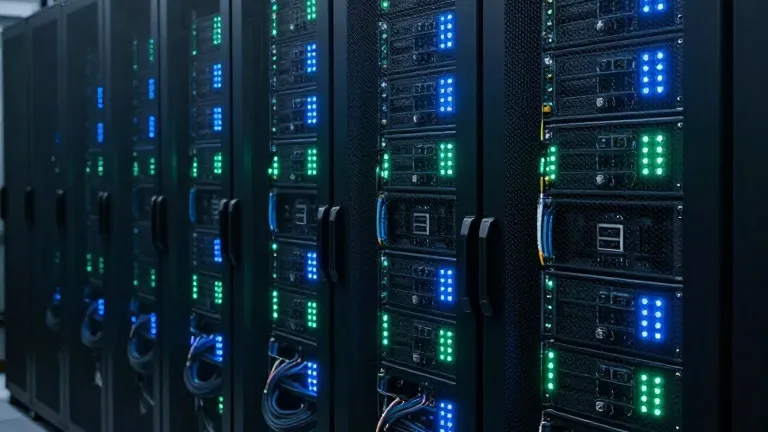
The artificial intelligence sector is drawing intense scrutiny from investors and taxpayers alike.
Anthropic, the maker of the Claude model, released IPO pricing data on November 10, 2026. The company is targeting a valuation between $1.3 trillion and $1.4 trillion. This figure is lower than earlier predictions of $2 trillion. Yet it remains a staggering sum. These numbers come from the company's own securities filings. They outline a path to public ownership that demands significant future cash flow.
The financial obligations behind this valuation are enormous. Anthropic has disclosed nearly $900.9 billion in purchase commitments and lease agreements. Most of this amount covers computing infrastructure. The company expects to incur about $451.6 billion of this cost before the end of 2030. The remaining balance stretches out to 2045. Roughly $70.7 billion is due in the twelve months following September 30, 2026. These are contractual spending plans. They are not necessarily immediate debts. But they represent a heavy financial load for the company moving forward.
Revenue growth is rapid but does not automatically equal profit. Anthropic's annualized revenue run rate reached about $81 billion in October. This is higher than the $20 billion figure sometimes cited in public discussions. However, revenue is not free cash flow. The company must pay for research, personnel, electricity, and facilities. A trillion dollar valuation requires the belief that future profits will be extraordinary. That belief has not yet been proven by the current financials.
The cost of serving customers remains a complex issue. A single high-end GPU can cost around $20,000 at retail. This hardware can serve a limited number of users. Light users might pay $20 monthly. Heavy coding users might pay $200. In either case, the monthly revenue is roughly $400. Recovering the hardware cost alone takes about 50 months. This calculation does not include servers, cooling, or maintenance. If the wholesale cost of the chip drops to $4,000, the payback period shortens to 10 months. Still, other operational costs must be covered. The true measure is the profit generated per customer after all service costs are deducted.
Nvidia holds a dominant position in this market. The company sells the accelerators and memory that power these systems. When demand exceeds supply, prices rise. Large tech firms can lock in supply years in advance. Smaller startups and independent researchers face a harder time securing the same resources. This imbalance benefits Nvidia regardless of which AI model becomes the most popular. The company is now moving to secure its position in the software distribution space as well.
In September 2026, Nvidia agreed to buy Hugging Face for approximately $12.93 billion. The deal includes an equity-based employee retention component. It is expected to close in 2027. Hugging Face is a key platform for developers to share and test AI models. Nvidia already controls the CUDA software ecosystem. By acquiring Hugging Face, Nvidia would control a major distribution channel. The company says the platform will remain open. However, competition policy questions arise. Developers will need to know if the platform stays neutral toward different hardware vendors and model types.
Open-weight models are gaining traction as an alternative to paid subscriptions. Projects from DeepSeek, Alibaba, and others allow developers to run AI on their own infrastructure. A business can deploy a model internally without paying per-token fees to a third party. This shifts power away from centralized providers. It also lowers the barrier to entry for small businesses and researchers. The technology is real, but the financial models attached to it are being tested by market realities.
Quantization technology makes this shift possible. It reduces the memory needed to run large AI models. A 200 billion parameter model might need 400 GB of memory at full precision. At lower precision, it can run on less expensive hardware. This gives developers more choices. It challenges the idea that customers must rely on premium services indefinitely. The AI race is about more than just better technology. It is about who controls the infrastructure and who pays the bill for the future.