Ukrainian Military Regains Full Speed on Starlink After Ten-Day Disruption
The restoration of satellite bandwidth ends a contentious standoff that halted drone interceptions and exposed a rift between Washington and Kyiv.
By Lorenzo Patterson ·
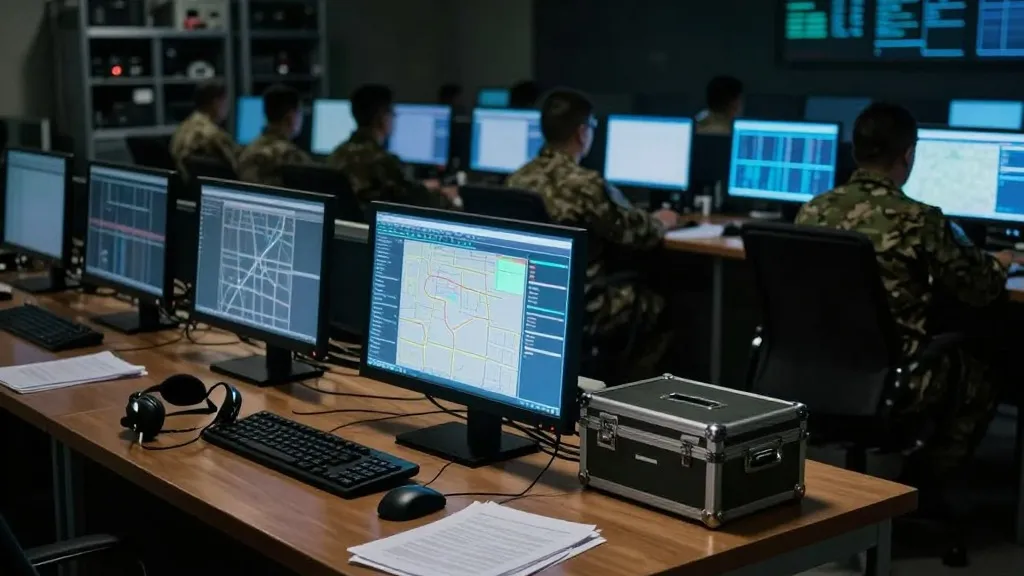
Ukraine’s leadership confirmed on Saturday that its armed forces have regained full access to the Starlink satellite network, effectively ending a ten-day period of operational restriction that had disrupted critical military functions. The announcement, delivered by President Volodymyr Zelenskyy in a video address to the nation, signals a return to the pre-restriction speed levels required for frontline logistics and air defense. This development resolves a sudden technical limitation that had previously capped terminal speeds at 160 kilometers per hour, a constraint that proved detrimental to several active combat operations earlier this month.
The disruption had immediate and tangible consequences for Ukrainian tactical capabilities. By limiting the bandwidth and speed of the SpaceX-managed terminals, the military struggled to intercept incoming Russian attack drones. Furthermore, planned strikes on targets located behind enemy lines were called off due to the lack of reliable data transmission. The reduction in connectivity also affected intelligence sharing, allowing Russian forces to launch ballistic missiles without the advance warning that had previously been provided by American assets. These failures highlighted how heavily modern warfare relies on seamless digital infrastructure.
The timing of the restrictions sparked immediate speculation about political motivations. The speed limits coincided with President Donald Trump’s announcement of a deal to purchase Russian diesel, leading observers to question whether the technical changes were part of a broader diplomatic strategy. Trump initially distanced himself from the decision, stating that he did not believe the move originated with his administration or with Elon Musk, the chief executive of SpaceX. This early denial set the stage for a public exchange of remarks between key figures in both countries.
Secretary of State Marco Rubio contributed to the confusion by defending the president and directing attention toward the private sector. Speaking on Wednesday, Rubio emphasized that the president does not directly manage Starlink or Starshield, noting that he cannot issue direct commands to the company. This framing suggested that the decision rested with private entities rather than the White House, a stance that contrasted sharply with the views expressed by the company’s founder.
Elon Musk, however, pushed back against the idea that his company acted unilaterally. In a post on X, Musk asserted that the systems are owned and controlled by the US government. He argued that any limitations on usage or speed are determined by the US military and ultimately by the president. This assertion shifted the burden of responsibility back to Washington, suggesting that the private sector was merely executing directives from public officials.
Vice President JD Vance supported Musk’s position on Thursday, arguing that the billionaire did not wish to be caught in the middle of a conflict between two state actors without clear direction from the US government. Vance’s comments reinforced the narrative that the technical adjustments were a result of interagency coordination rather than a unilateral corporate decision. This alignment between the VP and the tech executive left little room for alternative explanations regarding the origin of the speed caps.
President Zelenskyy offered a different perspective, assigning blame to both parties involved. He stated that the American government sent a message to limit speeds, and that SpaceX executed the technical changes. Zelenskyy pointed out that Starshield terminals in European Union countries were not subjected to the same restrictions, which applied exclusively to Ukraine. He characterized the move as a planned operation and warned that such decisions could lead to human losses, emphasizing the high stakes of connectivity in active combat zones.
The situation became clearer only in the final days of the disruption. On Thursday, Trump claimed the service was back at full speed, but a European official told the Associated Press that the system was not yet fully functional. When asked on Friday whether he would instruct Musk to stop interfering, Trump said he had not spoken to the CEO but might need to. He described Musk as very brilliant and very good, promising to straighten out any remaining issues. By Saturday, Zelenskyy confirmed that the restoration had begun overnight and that speeds were sufficient for operational use by morning. He thanked US allies, including Trump and the State Department, for resolving the matter and bringing the system back to the level required for defense against jet-powered drones.
Source: The Guardian