Ohio Grassroots Group Targets Statewide Data Center Ban in 2027
Volunteers in 88 counties are pushing ballot measures in ten communities while gathering signatures for a constitutional amendment.
By Nikolai Morales ·
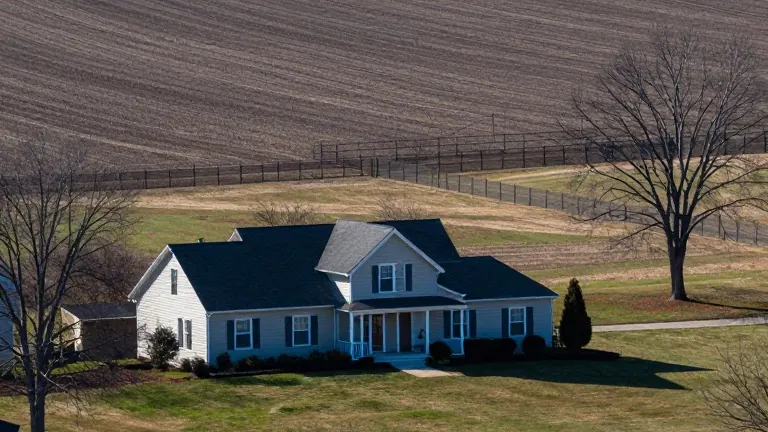
Rural Ohio residents are organizing a coordinated push to restrict the construction of large-scale data centers, driven by concerns over land use and local autonomy. Nick Owens, a lifelong Republican and attorney in Mt. Orab, a village of 4,300 people north of Cincinnati, has spearheaded this effort after property records revealed that 1,000 acres of farmland and trees were sold to a data center developer in 2024 and 2025.
Owens notes that the development site borders two-story homes in a neighborhood he describes as having small-town charm. He states, 'Living in the rural area, but getting the benefits of a nice, lovely neighborhood.' Nondisclosure agreements have hindered local efforts to gather information about the project, prompting Owens to collaborate with another attorney and a real estate agent.
Together, these three individuals mobilized a volunteer network spanning nearly all 88 counties in Ohio. The group, named Conserve Ohio, includes Democrats, Republicans, and Independents. Owens describes the coalition as sharing a passion for preserving Ohio's way of life from what he calls a hyperscale data center invasion. The group argues that temporary pauses adopted by hundreds of municipal and county governments are insufficient.
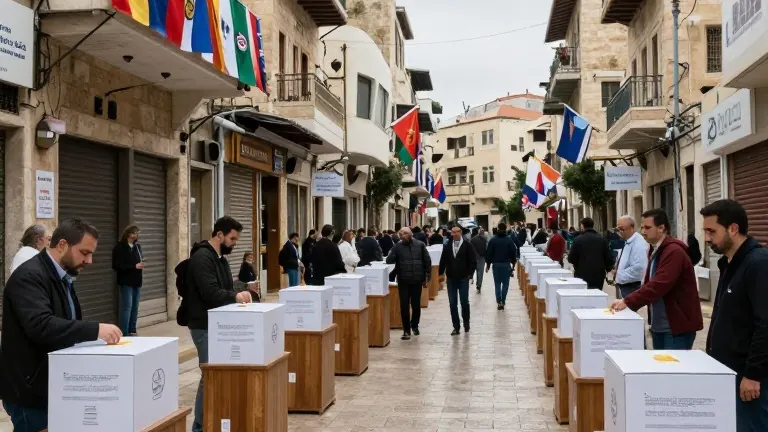
This fall, Conserve Ohio is supporting ballot initiatives in ten communities. These measures would amend local charters to prohibit the construction of large-scale data centers used to power artificial intelligence. Owens says, 'We're going to find out in ten communities whether or not the communities want them.' The group is also drafting a petition for a state constitutional amendment that would ban large-scale data centers statewide, with the goal of placing the measure before Ohio voters in 2027.
Tech companies have operated in Ohio for more than a decade, drawn by inexpensive land, energy infrastructure, and tax breaks. While data centers generate tax revenue, school funding, and construction jobs, residents often oppose the noise, emissions, and secrecy associated with new projects. Owens argues that hyperscale facilities require new power plants and produce constant noise and pollution. He suggests placing such facilities on old industrial sites rather than pristine farmland.
The issue has become a focal point in the upcoming midterm elections. Former Democratic Senator Sherrod Brown has characterized incumbent Republican Senator Jon Husted as the face of data centers, citing Husted's past support for tech investments as lieutenant governor. Husted has countered by accusing Brown of hypocrisy and has introduced a bill in Congress requiring data centers to pay for power grid upgrades. Senate Democrats have blocked the bill, which Husted describes as toothless.
Linda Moodie, an independent volunteer in Fairfield, remains unconvinced by political candidates' promises to give residents a say. She is currently collecting signatures for the statewide ban. On a recent evening, she distributed petition clipboards and candy to families at a Halloween celebration in Fairfield. She observes that interest in the issue increases as it affects residents' immediate surroundings.
In Mt. Orab, a county that voted 80% for President Trump in 2024, local observers note a lack of campaign yard signs. Owens attributes this to dampened Republican enthusiasm driven by data center concerns and high diesel prices. He cites President Trump's recent posts on Truth Social, where the president argued that communities rejecting data centers risk becoming poor and backwards. Owens calls these remarks tone deaf, stating, 'I want our regular way of life.' Construction at the Mt. Orab site has not yet begun, and the start date remains unclear due to ongoing secrecy.
Source: NPR