Indigenous roots and family altars anchor Day of the Dead
The holiday, recognized by UNESCO since 2008, blends pre-Columbian beliefs with Catholic traditions to honor the deceased through specific rituals and community gatherings.
By Nikolai Morales ·
The period from October 31 to November 2 marks a specific window for families to honor their deceased loved ones. During these days, households set up altars and offer specific items to facilitate a symbolic reunion with the dead.
The tradition traces its origins to more than 3,000 years ago in pre-Columbian Mesoamerica. Historical documents indicate that indigenous groups, including the Aztecs, viewed death as a cyclical phase of life. They believed souls had to traverse nine levels in Chicunamictlán before reaching rest in the Mictlán.
Ancestral ceremonies required families to provide water, food, and tools to help the deceased on their journey. These early rituals established the foundation for the current practices of remembering and paying tribute to ancestors.
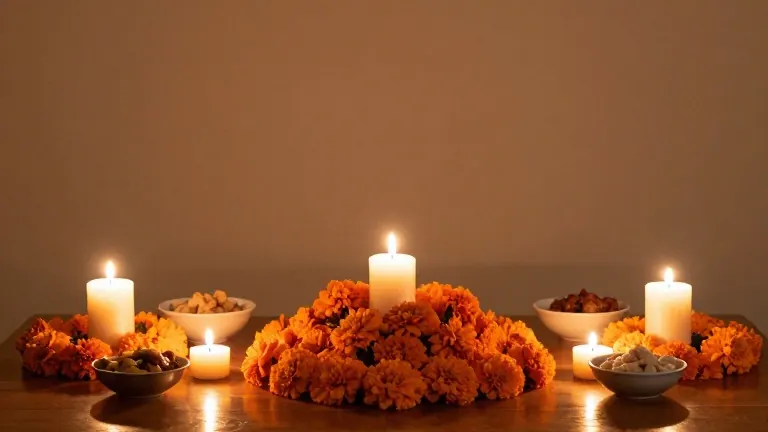
According to custom, the gates of heaven open at midnight on October 31 to allow the souls of children to visit for 24 hours. The souls of adults arrive on November 2. In the physical world, families receive them with home altars decorated with photographs, candles, and marigold flowers. The offerings also include the specific foods and beverages the deceased enjoyed during their lives.
Community activities extend beyond the home. People visit cemeteries to clean and decorate graves. They prepare and exchange sugar skulls and pan de muerto. The holiday also features the writing of calaveras literarias, which are humorous verses dedicated to living people in the form of mock epitaphs.
To help children understand the tradition without relying on books, families often show the 2017 Pixar film Coco. Directed by Lee Unkrich, the movie features a primarily Latino cast. It follows 12-year-old Miguel, who travels to the Land of the Dead. The film uses music and animation to explore family roots, memory, and the preservation of traditions across generations.
Source: WDCN-LD