Warhound Raises $200 Million to Gene-Edit Dogs for Military Duty
The Palmer Luckey-backed startup secured funding from Sequoia and Colossal Biosciences to breed canines with enhanced detection abilities.
By Rafael Ortega ·
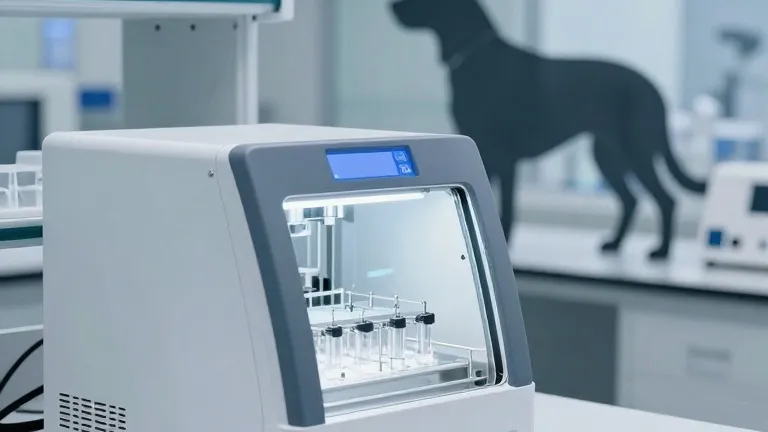
Warhound, a startup founded by Palmer Luckey, has raised $200 million to develop genetically modified dogs for military service. The company intends to use genetic engineering to enhance the animals' physical and sensory capabilities, specifically to help troops detect explosives and protect personnel. The funding round was led by investors including Sequoia and Colossal Biosciences, which is assisting with the cloning and gene-editing processes.
The project marks a shift toward private sector involvement in military hardware, leveraging biological engineering to create specialized service animals. Warhound plans to use the capital to advance its research and development pipeline for these enhanced canines.
Colossal Biosciences, known for its work in de-extinction and gene editing, is providing technical support for the cloning aspects of the program. The partnership combines Luckey's venture capital backing with established biotech expertise to accelerate the timeline for deploying these modified animals in operational environments.
In related health news, Moderna and Merck announced that their mRNA cancer vaccine reduced death rates by 42% in patients with melanoma. The data also showed a lower risk of disease recurrence for those who received the treatment.
Separately, researchers reported that prime editing, a precise gene-editing tool, has been applied to a human patient for the first time. The technique rewrites DNA in liver cells, offering a new method for treating genetic disorders without cutting the DNA strands.
Other technology developments include a virtual power plant by Google that pays customers to adjust energy use for data centers. Meanwhile, a report indicated that Google illegally cut down 250,000 trees in Finland to build a new facility.
The military sector also saw updates on satellite connectivity. Donald Trump stated that Elon Musk restored Ukraine's access to Starlink, though President Volodymyr Zelensky noted that internet speeds remained capped despite the restoration.
Source: MIT Technology Review
More Business · Tech news · Business Complaints · Report a business