Displaced Wolves Enter Finnish Villages as Google Halts Forest Clearing
Wolves have begun roaming into nearby communities after Google received orders to stop unauthorized forest clearing for AI data centers, prompting local residents to raise safety concerns.
By Yasmin Farouk ·
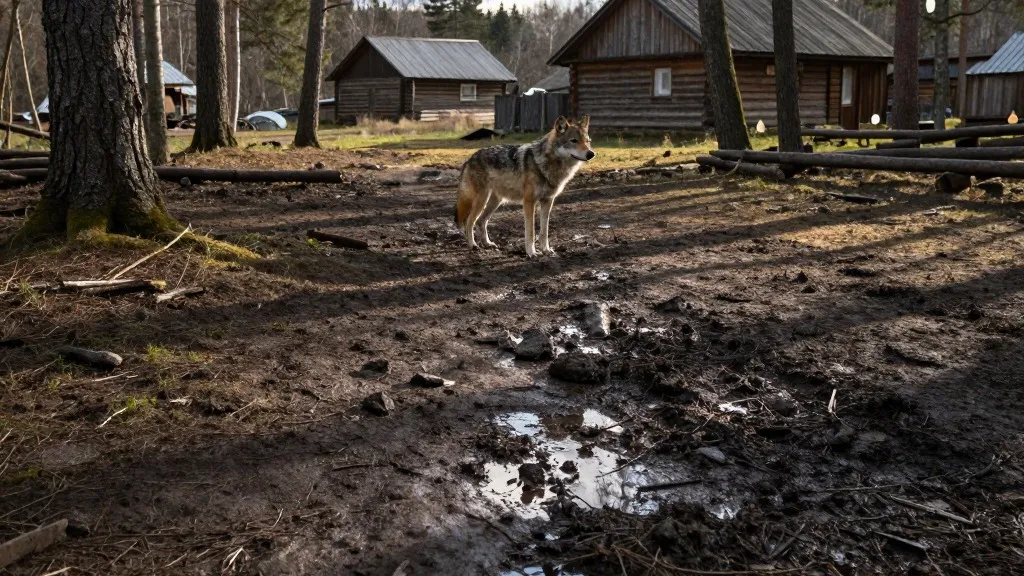
The primary tension in this developing story involves a direct clash between corporate expansion and local safety, as displaced wolves have started entering Finnish villages near newly created muddy areas. This shift in wildlife behavior has escalated a dispute that previously centered on environmental regulations. The situation highlights the immediate, tangible consequences of rapid infrastructure development, moving the conversation from abstract ecological losses to specific risks for human residents in the region.
The timeline of this conflict began earlier this month when the Finnish Licensing and Supervision Authority issued a formal notice to Google to cease construction activities. This regulatory action followed a review of operations in Muhos and Kajaani, near the village of Otanmäki. The authority determined that Google had cleared roughly 500 acres of forest without proper authorization. This area is located 55 miles southeast of Otanmäki. The halt in work came after it was discovered that 816 acres of forest had already been transformed into a muddy expanse due to the construction process.
Local residents report that the changes to the landscape have forced wildlife to alter their traditional territories. Anni Ranta, 53, a resident of Otanmäki whose family has lived there for generations, explained that wolves have moved into the village because the wild animals were displaced from the forest. Ranta noted that this is a serious safety concern for the community. She also expressed a broader geopolitical worry, suggesting that the presence of U.S.-owned data centers could make Finland a more attractive target for Russian aggression.
The dispute is not limited to the arrival of wolves. Local anger has been building over various side effects of the construction, including persistent factory noise and streams turning brown. Rare bird species have also been pushed out of the area. A representative of the Finnish Association for Nature Conservation stated that Google’s flouting of environmental policy was both unprecedented and clear. This assessment was echoed by the licensing authority, which maintained its order for Google to stop development near both Muhos and Otanmäki.
Google’s Finland country manager has apologized for the unauthorized clearings. A company spokesperson indicated an upbeat outlook, stating that Google will fully comply with the requests from the licensing authority. The spokesperson added that the company looks forward to maintaining an active and open dialogue with authorities to strengthen its partnership with Finland and local organizations. The company appears to be banking on the touted business benefits of the data centers to sway the government and regulators in its favor.
Looking ahead, the immediate focus is on the halt of construction and the subsequent interactions between the displaced wildlife and the local population. While Google has promised compliance, the physical reality of the cleared land and the animals now roaming the villages will likely remain a central point of discussion. The outcome of this situation may set a precedent for how other AI data center projects handle environmental regulations and local community impacts in the coming years.
This latest development in Finland mirrors similar concerns voiced across the United States and other countries regarding the environmental footprint of AI infrastructure. As the industry continues to expand, the balance between rapid deployment and environmental stewardship remains a critical and contentious issue for policymakers and local stakeholders alike.
Source: Tom's Hardware