New startup plans to build a domestic supply of genetically modified military dogs
Warhound has emerged from stealth with a billion dollar valuation to engineer healthier service animals equipped with advanced technology for U.S. agencies.
By Ivan Petrov ·
For the first time in recent memory, the United States may soon have a homegrown solution to its shortage of military working dogs. A new venture called Warhound has exited stealth mode, revealing a plan to genetically engineer canines for dangerous tasks such as bomb detection and search operations. The company aims to reduce the nation’s heavy reliance on foreign breeding programs, a dependency that has left more than 80% of current U.S. military dogs sourced from Europe. This shift promises to place these enhanced animals directly into service for law enforcement and emergency response teams within the next two years.
The project is a collaboration between Ben Lamm of Colossal Biosciences and Palmer Luckey of Anduril. They met about a year ago at a conference, where Luckey expressed concern over the state of the military’s canine workforce. Lamm investigated the issue and found that many dogs fail training due to inherited health problems, such as poor eyesight, hip dysplasia, and a high likelihood of cancer. The team plans to address these weaknesses by editing the genes of top performing breeds, specifically the Belgian Malinois and German Shepherd, to improve their longevity and physical capabilities.
The biological process involves taking cell lines from elite working dogs and storing them in a biobank. Engineers will then add genes that boost speed, agility, and olfactory sensitivity while removing those linked to genetic ailments. This approach is designed to create a new type of dog that is inherently healthier and more durable. Lamm described the goal as enhancing specific traits suited to demanding missions, allowing the animals to perform better in the line of duty without the typical physical limitations that plague traditional breeds.
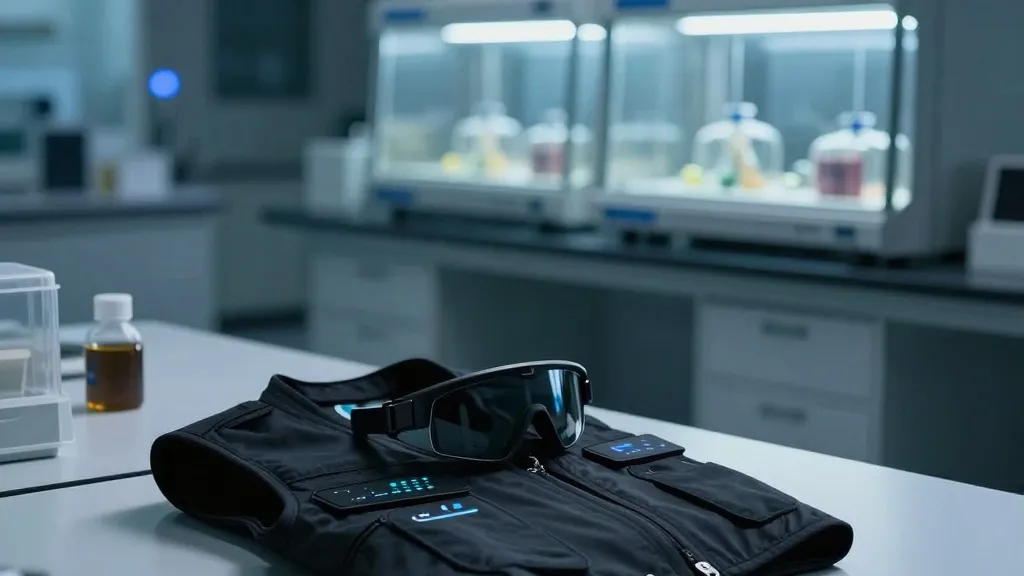
Hardware plays a crucial role in the new operational model. Anduril will supply software and equipment, including protection vests and goggles, to assist the dogs and their handlers. These devices are intended to provide situational awareness, with sensors in the vests sending data back to handlers to help them understand the environment. Lamm emphasized that these technological additions work on top of the dog rather than inside it, creating a layered system that keeps the animals safer and improves coordination during complex operations.
Financial backing for the initiative is substantial. The company raised $200 million in a funding round that values Warhound at $1.2 billion. Investors include Sequoia, 8VC, Corner Ventures, and In-Q-Tel, a venture firm with ties to the CIA and other U.S. intelligence agencies. Luckey serves as a partner in the venture but does not hold equity. Colossal Biosciences, known for its de-extinction projects, owns equity and licenses its gene editing technology to support the operation.
Production is moving quickly. The first batch of dogs is currently being cloned and incubated, with births expected in early 2027. A sister company, Viagen, which also belongs to Colossal, will handle the cloning process. Lamm noted that Viagen’s technology has a high success rate, which is already used in programs to protect endangered species. The company aims to begin service delivery within two years, though it has not yet determined the price it will charge buyers such as the Department of Defense, police forces, and first responder groups.
Questions regarding civilian safety and government approval have been raised. Lamm stated that the company has briefed various government groups and that each dog will be trained and managed like any other military working dog. To address ethical concerns, Warhound is working under the guidance of the American Humane Society. The society is helping to certify the training program for these new animals. There is also a hope that when these genetically enhanced dogs retire, they will enter the society’s reunification program to find permanent homes.
The American Humane Society responded to the partnership with a statement praising the invitation to collaborate. The organization, which describes itself as grounded in science and ethics, said it looks forward to working with Warhound and Colossal to ensure the animals are treated humanely. This external oversight is intended to provide a layer of assurance as the country prepares to deploy its first generation of engineered war dogs.
Source: TechCrunch