Student Coalition Defeats 14-Year Ruling Party in Serbian Parliamentary Election
A network of 60,000 volunteers used encrypted apps and door-to-door outreach to overcome surveillance and secure a landslide victory on Oct. 25.
By Pedro Tanaka ·
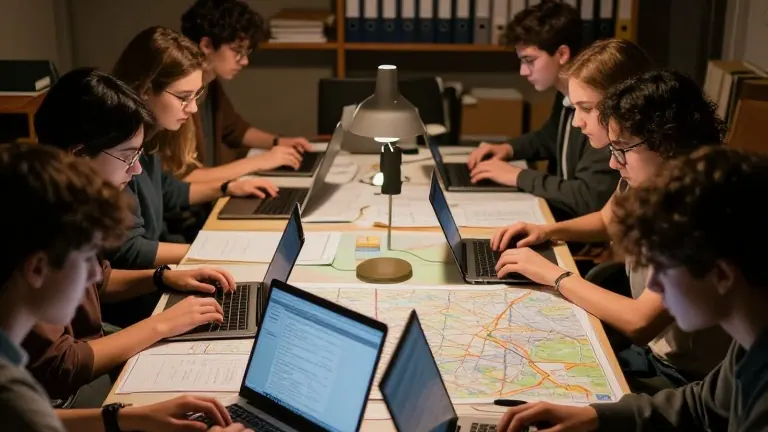
Marko Bojovic, 24, coordinated the final logistical checks for the Serbian parliamentary election from his home in Belgrade last month. His team relied on a decentralized network of 60,000 volunteers to monitor polling stations and prevent ballot irregularities.
The coalition, known as the Students List, defeated the Serbian Progressive Party led by Aleksandar Vucic on Oct. 25. Vucic had held power for 14 years, controlling state media and a large share of the national budget. The students won by a landslide, ending his party's dominance.
Bojovic, a history graduate, described the strategy as a dismantling of Vucic's political pyramid from the base. Activists launched a campaign to visit every village, often traveling by bicycle or on foot to reach rural strongholds where the ruling party was entrenched.
"We knocked on almost every door in Serbia," Bojovic said. The movement gained momentum after the Novi Sad train station collapse in November 2024, which killed 16 people. Many voters linked the disaster to years of corruption and negligence in public works.
Djordje Trikos, a London-based campaign strategist, noted that the disaster shifted voter sentiment. He said many people switched sides not out of pure belief in the students, but because their current reality felt unbearable. Trikos drew a parallel to Hungary, where Viktor Orban was removed from power in April under similar conditions of long tenure and young voter discontent.
The students avoided divisive topics like relations with Russia or the European Union. Instead, they focused on accountability and anti-corruption measures. Dragica Jovanovic, an 83-year-old pensioner in Belgrade, said the students changed her mind despite her previous support for Vucic. She said the movement made her feel connected to her grandchildren rather than the president.
Security remained a primary concern. Local and international watchdog groups reported that the phones of the Belgrade university rector, several students, and a prosecutor were infected with spyware. The malware included Pegasus software from the Israeli firm NSO Group, alongside domestically developed code.
To counter surveillance, the team developed dedicated mobile apps with the help of Serbia's IT community. Adrian Kraljevic, 21, said the apps featured a team-tracking map, a live communication panel, and a panic button. The apps were hosted under cryptic names on Android and iOS stores and were turned off immediately after the vote.
Tensions rose in central Belgrade as polls closed. Special police fenced off streets, and masked loyalists of Vucic gathered in a park near Parliament. Kraljevic said masked men lined up outside his polling station, creating a tense atmosphere until Vucic conceded defeat at 9:30 p.m. The supporters then dispersed quietly as hundreds of thousands of citizens took to the streets to celebrate.
Kraljevic said his mother is no longer afraid to say his name over the phone. The victory allows the two coordinators to return to their everyday lives after two years of leading protests and organizing the national campaign.