Ukraine Hits Russian Cargo Ship and Warship in Distant Waters
New strikes on the Sparta II and corvette Merkury signal a widening maritime conflict beyond the Black Sea.
By Nikolai Morales ·
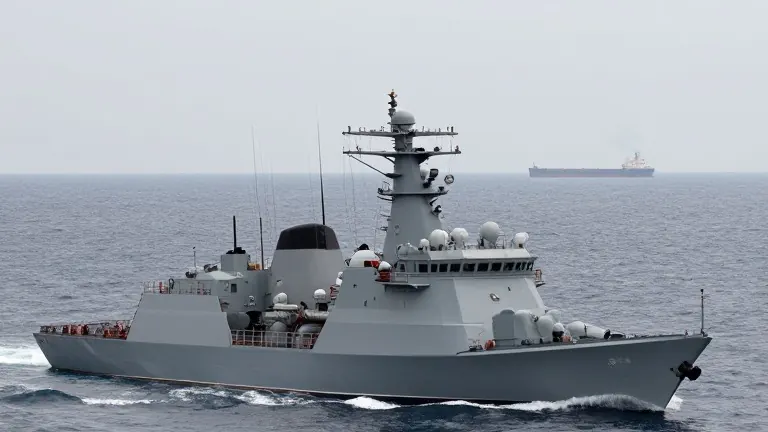
Ukraine struck a Russian cargo vessel and a warship in separate operations across the Baltic and Mediterranean seas this week.
The first hit came off the coast of Finland, where the cargo ship Sparta II was targeted. Russian officials deny the vessel was carrying military equipment, though intelligence agencies suspect it was. A few days later, Ukrainian forces attacked the corvette Merkury and a dry cargo ship off the coast of Libya. The Merkury was part of Russia's Black Sea Fleet but was stuck in the Mediterranean because Turkey had blocked the Bosporus and Dardanelles straits.
These attacks follow a series of suspected Russian missile crashes in Poland near an international military exercise. Intelligence agencies had warned that Russia was preparing provocation along NATO's eastern flank. Since summer, both sides have increased attacks in the Black Sea, targeting cargo ships from Ukraine, Russia, and Turkey. Ukraine has also used drones to hit oil refineries in Omsk, Siberia, and military airfields deep inside Russia.
Russia uses the Baltic Sea to move supplies to its Kaliningrad exclave and export oil via its shadow fleet. Ukraine has previously hit oil terminals in Ust-Luga and Primorsk near St. Petersburg. Security expert Elisabeth Braw of the Atlantic Council said Ukraine is now hitting specific targets in any waters, not just random shadow vessels.
Braw noted that Ukraine is demonstrating it can strike far from home, a capability it lacked at the war's start. Military experts see these moves as a political signal to Western allies. They believe President Volodymyr Zelenskyy is showing strength ahead of potential peace talks. Joachim Weber, a security expert at the University of Bonn, said the attacks show Ukraine is ready to expand the conflict geographically to pressure Russia.
Weber warned that the risk of accidental exchanges of fire is rising. Russia is adding more military escorts to its shadow fleet ships. He said the likelihood of clashes between armed forces or coast guards in international waters is growing. Braw pointed out that violations of maritime law are increasing in other regions, including the South China Sea and the Red Sea.
Braw said about 90% of global trade moves via the oceans. She warned that other nations might find it beneficial in the short term to break maritime rules for quick gains. She added that this trend would make the world's oceans less safe for everyone.