Congo Ebola cases top 12,000 as rebel fighting blocks response teams
The outbreak, driven by the rare Bundibugyo virus, has killed nearly 6,000 people and now threatens to outpace the 2014 West African epidemic.
By Nikolai Morales ·
Eastern Congo’s Ebola outbreak has reached 12,021 confirmed cases, according to data released Thursday by the Ministry of Health. The virus has claimed the lives of nearly half of those infected. This tally makes it the deadliest of the 17 outbreaks recorded in the country and the fastest-growing in history.
The outbreak is caused by the Bundibugyo strain of the virus. Unlike other strains, no approved vaccine or treatment exists for this specific variant. Health workers must rely on isolation and contact tracing to contain the spread, a process complicated by active warfare in the region.
Fighting between the Congolese army and the Convention pour la révolution populaire rebels resumed Thursday morning in Iga-Barrière. This mining town sits 25 kilometers north of Bunia, the capital of Ituri province. The renewed clashes sent new waves of displaced residents toward Bunia, a central hub for the medical response.
The Convention pour la révolution populaire is one of more than 100 armed groups active in eastern Congo. The group was founded last year by Thomas Lubanga, a former warlord convicted by the International Criminal Court in 2012 for using child soldiers. Conflict in this region has created one of the world’s most severe humanitarian crises.
Dr. Catherine Smallwood, the World Health Organization’s Ebola incident manager, said fighting earlier in the week prevented teams from reaching several communities. The disruptions halted monitoring of exposed individuals and reduced staff levels at local treatment centers.
Smallwood reported that about a dozen people were evacuated to Bunia on Tuesday. The group included two WHO personnel and Congolese health officials. They had been trapped for three days in a hospital in Akwe, northeast of the provincial capital, while intense crossfire surrounded them.
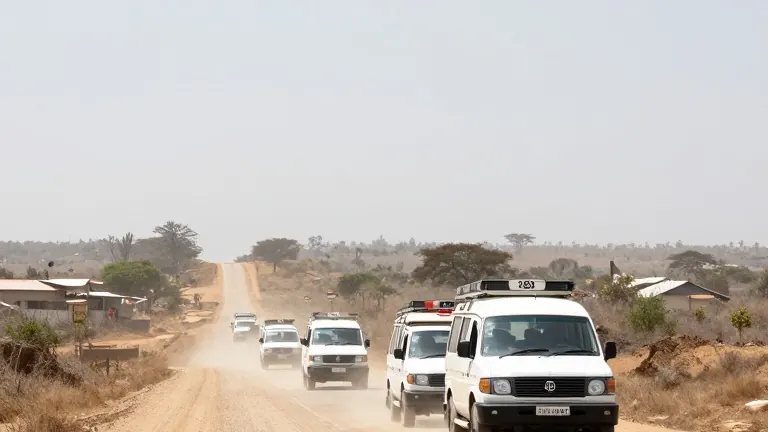
The current death toll is on track to surpass the 11,000 fatalities recorded during the West African outbreak between 2014 and 2016. The Ministry of Health declared the outbreak in May. Responders continue to work through poor road conditions and community mistrust to identify new cases.