Shekel drops to 3.10 as election results signal Israeli political stalemate
Tel Aviv stocks fell sharply on Wednesday after partial counts showed neither side secured a majority, wiping out two days of gains.
By Lorenzo Patterson ·
Investors in Israel faced a sharp reversal on Wednesday as preliminary election counts indicated a political deadlock. This development erased the optimism that had built over the previous two days, when markets had priced in a potential change of government.
The currency market reacted quickly to the uncertainty. The dollar, which had fallen to roughly 3.02 new Israeli shekels on Tuesday, climbed to approximately 3.10 by Wednesday morning. This swing reflects the rapid adjustment traders make when expectations shift, particularly during periods of high political tension.
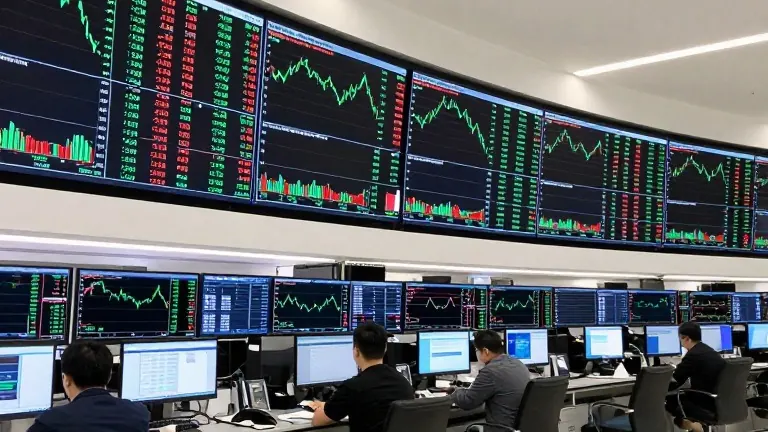
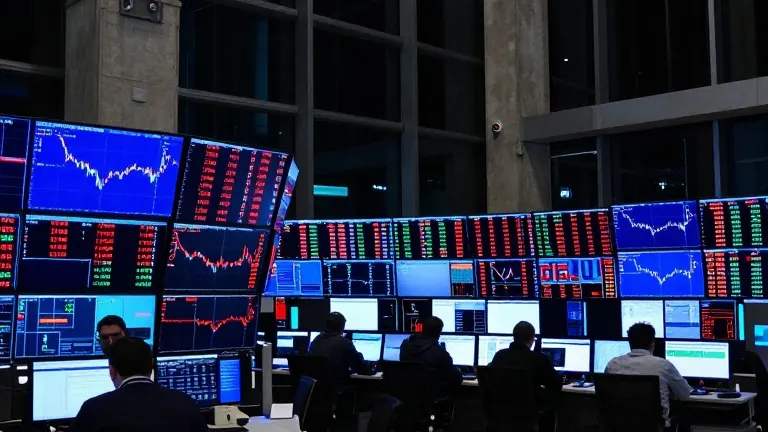
The Tel Aviv Stock Exchange also recorded substantial losses as trading resumed after the election day holiday. The benchmark TA-35 index dropped by 2.85%, while the broader TA-125 index fell 3.3%. The construction sector suffered the heaviest hit, with shares plunging about 8%. Real estate and insurance indices also declined by more than 6%, and banking stocks lost roughly 4%.
Bond yields moved in the opposite direction of prices, signaling higher risk premiums. The yield on Israel's 10-year government bond rose by about 0.06 percentage points to approximately 4.1%. This increase indicates that investors are demanding greater returns to compensate for the uncertainty surrounding the country's political stability and future fiscal policy.
The market's initial rally earlier in the week was driven by expectations that high voter turnout would benefit the bloc opposing Prime Minister Benjamin Netanyahu. Many investors believed a new government might reduce diplomatic tensions and lower Israel's risk premium. However, exit polls released when voting stations closed showed the opposition bloc trailing the 61 seats needed for a majority in the Knesset.
As the count progressed overnight, the picture became even less clear. Estimates based on partial results suggest Netanyahu's bloc holds approximately 55 to 57 seats, while his opponents have around 47 to 50. The remaining seats are attributed to Arab parties, leaving neither side with a clear path to form a government. This lack of a decisive outcome is currently driving market volatility more than the specific composition of the largest party.
JPMorgan economists estimated in August that the election results could trigger a 3% movement in the shekel, citing impacts on international relations and risk perception. The current swing approaches that magnitude, though thin trading volumes during the election holiday may have amplified the fluctuations. Historical data from the Tel Aviv Stock Exchange shows that volatility often increases by up to 45% in the weeks following elections compared to typical trading periods.
Traders are now watching for practical signals, such as who will lead the Finance Ministry and whether a 2027 budget can be passed. The market is already adjusting prices to reflect the possibility that forming a stable government may take longer than initially anticipated.
Source: The Jerusalem Post
More Business · Business Complaints · Report a business · Got a Story?