Election Eve: Three Years of Demands for Accountability
Thousands gathered in Tel Aviv three days before the general election to demand an independent investigation into the security failures of October 7, 2023.
By Pedro Tanaka ·
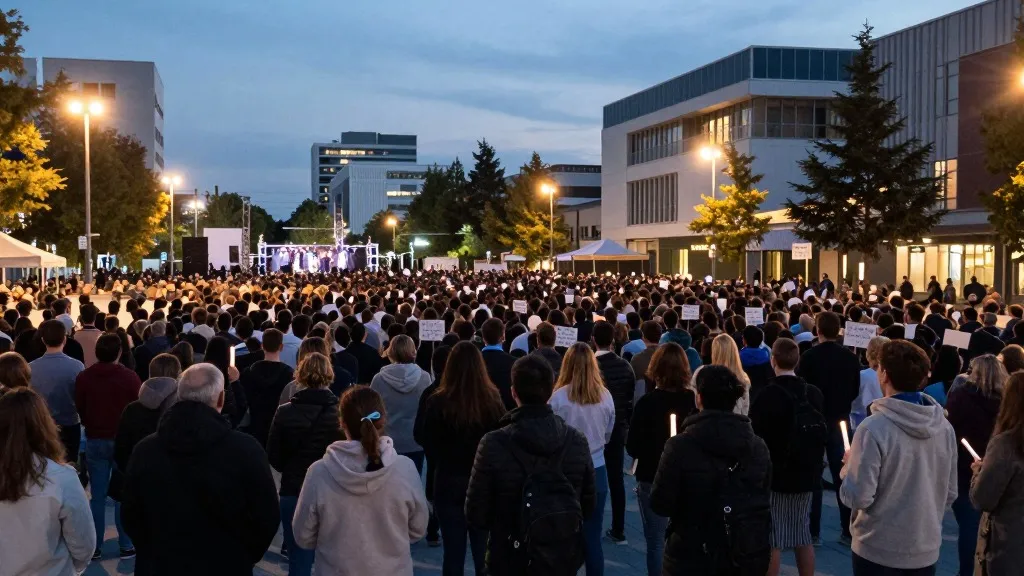
Three years have passed since the attacks of October 7, 2023, a milestone that has dominated the national conversation in the final days before Israel's first general election since the war in Gaza began. On Saturday, thousands of Israelis took to the streets to mark this anniversary, rallying for an independent investigation into the security lapses that allowed the Hamas-led assault to occur. The demonstrations were held just three days before voters head to the polls, placing the issue of accountability at the center of the upcoming campaign.
The main gathering took place at Hostages Square in Tel Aviv, a public plaza that has become a focal point for the families of captives taken to Gaza. The event was organized by the October Council, a group established by the relatives of those held in captivity. Their primary objective is to secure a state commission of inquiry that they believe will uncover the truth and hold the government accountable for its failures in preventing the attack. The council described the rally as the culminating event of a three-year struggle for justice.
Leadership in the opposition joined the crowds, signaling a unified front against the current government. Gadi Eisenkot, leader of the Yashar party and the main center-right rival to Prime Minister Benjamin Netanyahu, addressed the demonstrators. He was greeted with chants asking who is coming as the next prime minister. Yair Golan, leader of the Democrats, also attended the event. Lawyer Dan Adin described the scene on social media, noting the massive crowds moving from Rabin Square to Hostages Square and expressing that the energy of the moment belongs to the protesters.
The path to this moment has been defined by a persistent demand for an independent judicial review. Since the attacks, the families of the victims and the October Council have pressed for a commission of inquiry that operates independently of political influence. The goal has been to deliver justice to the affected families and to determine which officials bear responsibility for the security breakdown that preceded the war. This demand has become a central pillar of the opposition's platform in the lead-up to Tuesday's vote.
Netanyahu's coalition government has resisted this call for an independent body. Instead of an independent commission, the government has proposed a political commission. Under this proposal, half of the members would be appointed by the government, while the remainder would be chosen by opposition legislators. Opposition leaders have criticized this structure, arguing that it allows the government to control the process. They have stated they would boycott a commission appointed by politicians, viewing it as a compromise that weakens the potential for a thorough investigation.
Polls leading up to the election indicate a tight race. Netanyahu's right-wing bloc, which has held power since late 2022, is running neck and neck with Eisenkot's faction. Neither side is currently projected to secure a majority of seats in the Knesset, the Israeli parliament. This close margin suggests that the election will likely result in a coalition government, making the stance of smaller parties crucial. The outcome will have significant implications for both domestic policy and Israel's approach to regional conflicts.
The election results could also influence Israel's military strategy regarding Iran. Analysts suggest that Eisenkot is less inclined to resume military action against Tehran if he becomes prime minister. However, on most other foreign policy issues, leading parties and politicians remain united. This includes a shared opposition to the creation of an independent Palestinian state, which remains a contentious topic in international diplomacy but a point of consensus among many domestic leaders.
Security was a priority for the organizers on Saturday. The October Council alerted law enforcement to possible provocations from pro-government agitators. In a letter to the Police Commissioner, the council noted alerts about attempts by entities linked to the coalition to disrupt the rally. The police were made aware of these potential challenges to ensure the demonstration proceeded smoothly. This pre-emptive communication highlights the high stakes and the organized nature of the opposition's efforts to maintain a peaceful but visible presence.
Beyond Tel Aviv, antigovernment demonstrations were reported in other parts of Israel, according to the Haaretz newspaper. The broad geographic spread of the protests indicates a nationwide mood of dissatisfaction with the current administration's handling of the post-October 7 aftermath. As the election approaches, the focus remains on whether voters will choose the government's proposed political commission or support the opposition's demand for an independent inquiry.
The coming Tuesday election will be a decisive moment for the country's future direction. The tight polling numbers suggest that the outcome will be determined by a narrow margin. The issue of the commission of inquiry, championed by the October Council and the opposition, stands as a key differentiator. As the three-year anniversary of the attacks passes, the demand for accountability shows no sign of fading, and the results of the vote will determine how Israel addresses the legacy of that day in the years to come.
Source: Al Jazeera