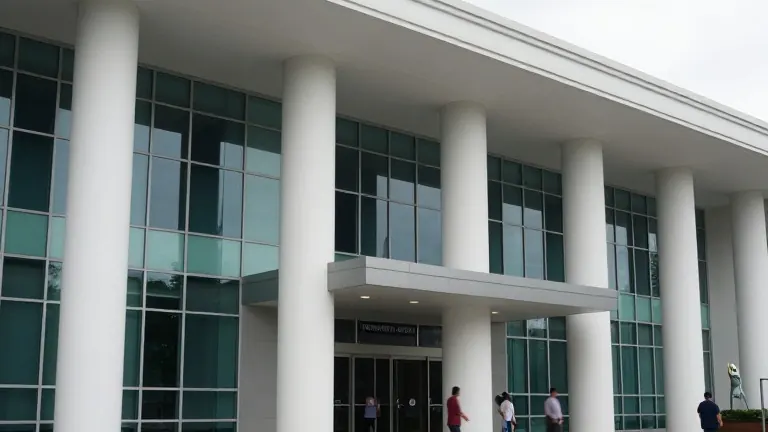
Putin, Trump, and Xi Meet in Shenzhen to Reshape Global Order
The three leaders convene at the APEC summit in China, where Moscow aims to present itself as a peer to the U.S. and China while pushing for specific terms in the Ukraine conflict.
By Lorenzo Patterson ·
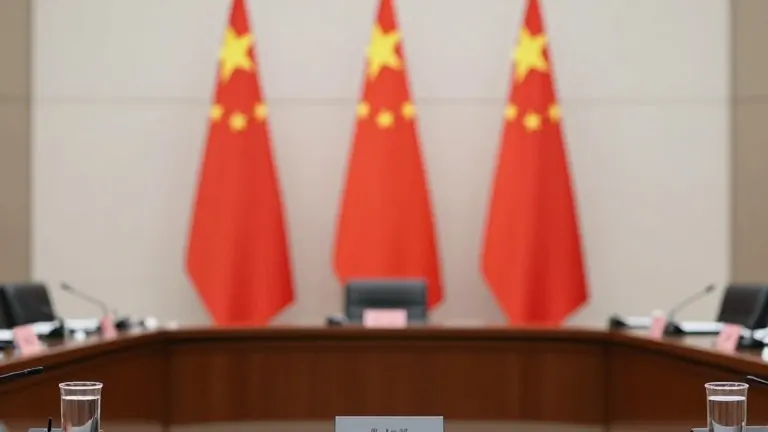
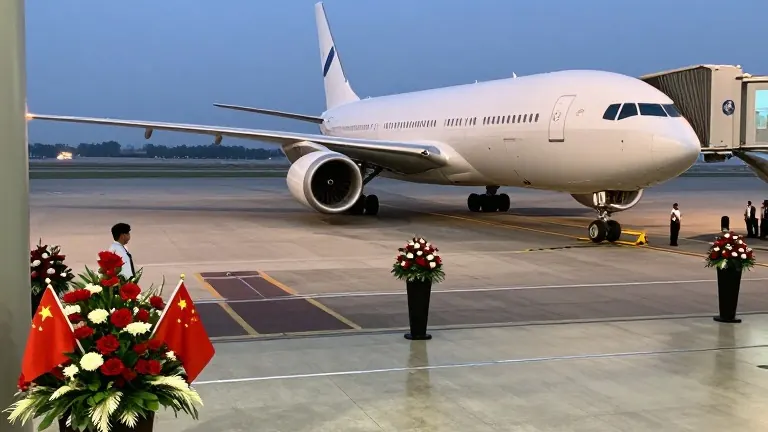
Vladimir Putin, Donald Trump, and Xi Jinping gathered in Shenzhen, China, for a three-way meeting on the sidelines of the Asia-Pacific Economic Cooperation summit. For the Russian president, the setting offers a visual statement that Moscow views itself as a superpower equal to Washington and Beijing. The Kremlin foreign affairs adviser, Yuri Ushakov, stated that the leaders would discuss a wide range of issues, including Ukraine and other conflicts that are currently festering.
The meeting follows separate bilateral sessions between Trump and Putin held on Thursday. This diplomatic sequence challenges Western efforts to isolate the Russian leader. Ushakov noted that the agenda includes broader topics, but the primary focus remains on the war in Ukraine. Western European allies, particularly in Germany, view the gathering with suspicion. Chancellor Friedrich Merz expressed fear of another Anchorage moment, referencing the August 2025 meeting in Alaska where proposals were later rejected by Kyiv and its partners.
Analysts in the West have drawn comparisons to the 1945 Yalta conference, where the wartime leaders of the U.S., Britain, and the Soviet Union carved out spheres of influence. The Kremlin downplays this analogy, though pro-Kremlin expert Fyodor Lukyanov suggested Moscow believes the leaders could reach decisions that determine global developments. Lukyanov observed that Russia appears to be the only one of the three nations that truly believes in the possibility of global control.
Bronwen Maddox, director of Chatham House, warned that the summit allows Putin to appear as one of the world's main leaders despite an economy strained by military spending. She noted the danger for Ukraine, as Trump may use the venue to advance his peace notion, which includes ceding territory to Russia that it has not seized by force. The summit comes after U.S.-mediated peace talks in Abu Dhabi last week yielded few results, with both sides sticking to divergent demands.
Recent actions by the U.S. administration have shifted toward Moscow. Trump waived new sanctions against Russia and struck a deal allowing Russian diesel exports to resume. He also urged Kyiv to stop striking Russian refineries. Additionally, Ukraine reported a reduction in the capacity of Starshield, the military-grade Starlink service, which Kyiv interpreted as pressure to make concessions. Both nations continue to escalate long-range aerial attacks as fighting stalls along the 1,200-kilometer front line.
Ukrainian drones and missiles damaged the Kerch Bridge just before the meeting, striking a symbol of Moscow's control over Crimea. Putin acknowledged the damage but resisted calls for a ceasefire, arguing that Moscow wants a comprehensive peace deal rather than a temporary truce. The agenda also includes trade and arms control, with Trump expressing interest in discussing denuclearization. Russia signaled openness to nuclear arms control discussions but acknowledged China's reluctance to reduce its smaller atomic arsenal.
Russia sent a pair of Tu-95 nuclear-capable bombers to Vietnam just before the summit. As Putin arrived in China, Russian television broadcast images of an officer carrying a briefcase with the codes for Moscow's nuclear forces.