Kyiv Seeks November 3 Start for Abu Dhabi Talks to Mitigate Winter Energy Deficits
Ukraine proposes moving trilateral negotiations forward by seven days and securing a formal role for an EU representative in the discussions.
By Nikolai Morales ·

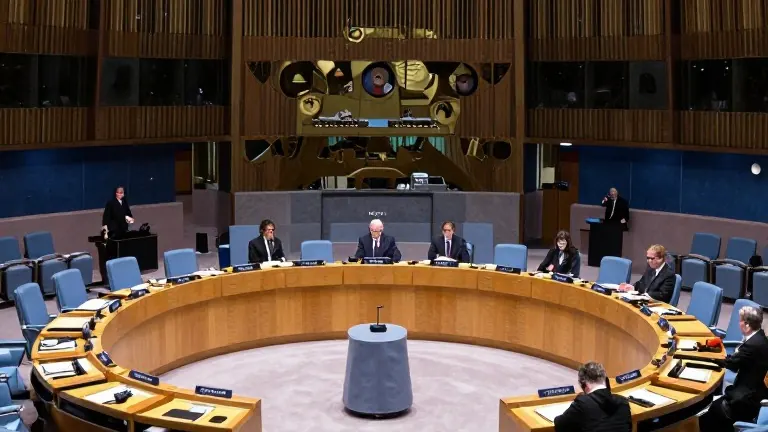
Ukraine is pressing the United States and Russia to shift the start date of planned trilateral peace negotiations in Abu Dhabi forward to November 3. The change would move the opening session one week earlier than the currently proposed November 10 start. Kyiv argues that the earlier timeline is necessary to address urgent infrastructure needs before winter conditions worsen.
A source within President Volodymyr Zelenskyy’s team explained the urgency by pointing to the state of the country’s utilities. The official stated that every week in December carries weight because many areas lack power, water, or heating. In that context, each day of delay in reaching a framework has tangible costs for civilians and the state.
The Ukrainian delegation also intends to include a European Union representative at the first meeting. Russian negotiators have expressed reluctance to seat European officials at the table during the initial session. However, the Ukrainian team plans to bring the EU envoy to Abu Dhabi regardless and provide real time briefings. The source noted that the Europeans currently lack a designated decision maker, meaning their envoys can only operate in a signal receiving mode without the mandate to finalize agreements.
As of the evening of October 25, Moscow had not yet confirmed the date change. A member of Zelenskyy’s diplomatic team said the groups may see changes in composition. The team expects the first meeting to serve as a familiarization process for new delegations. Substantive work is anticipated to begin at the second meeting, with the possibility of real decisions emerging around the third round.
The Ukrainian side is proposing a shift in the negotiation strategy. Instead of immediately debating the transfer of specific villages, Kyiv wants to define the broader shape of post war peace. The goal is to outline how Ukraine will be protected and how its relationship with NATO will function. One source noted that trust in President Donald Trump is only 6 percent higher than trust in Vladimir Putin in Ukraine, so the agreement cannot rely solely on American assurances.
European Commission President Ursula von der Leyen’s closest aide, Bjorn Seibert, has emerged as a likely EU representative for these talks. Ukrainian sources indicate that Jared Kushner and Steve Witkoff previously conveyed to Putin the idea of discussing a new security model, which Moscow allegedly accepted. Davyd Arakhamiia, leader of the Servant of the People parliamentary faction, told American counterparts that the final peace configuration must be acceptable to residents of Kharkiv and Dnipro. He argued that if the people in those regions view the formula as suitable, the process will have achieved meaningful progress.
Zelenskyy has stated that Ukraine will not accept limits on the size of its armed forces or a neutral status in any potential deal. Yuri Ushakov, an aide to the Russian leader, previously said Russia is ready to resume trilateral negotiations after November 4. The next round of talks is expected to take place in either Abu Dhabi or Switzerland, according to US government sources.
Source: Ukrainska Pravda