New museum in Harlem opens to fill a gap in Civil War history
The Urban League's 12,000-square-foot facility in Manhattan focuses on northern activism, a narrative often overshadowed by Southern stories.
By Nikolai Morales ·
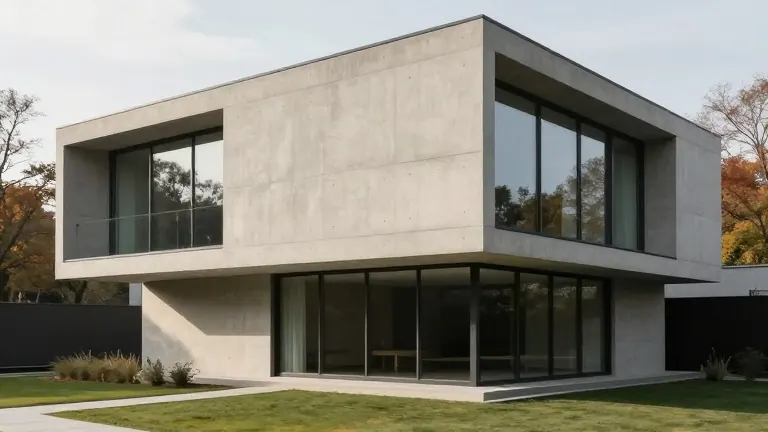
The National Urban League opened a 12,000-square-foot museum in Harlem this weekend, the first in New York City dedicated to civil rights struggles in the northern United States. The facility occupies the organization's Manhattan headquarters, located near the Apollo Theater and the Schomburg Center for Research in Black Culture. Organizers aim to showcase local changemakers and artists who helped shape politics and culture, arguing that a premier civil rights museum had not previously existed in the North despite dozens of such institutions in Southern states.
Jennifer Scott, the museum's founding executive director and chief curator, stated that the space is designed to remind visitors of their collective power in the present. Scott, a national public history scholar who led the design of the permanent interactive installation, emphasized that history is unfinished. She said, 'History is living, it’s unfinished, and we can impact it.' The inaugural exhibits cover the trans-Atlantic Slave Trade, the Great Migration of Black families from the Deep South, and the modern impacts of the Civil Rights Movement.
Marc Morial, president and CEO of the Urban League, noted that the museum’s specific name anchors it to Harlem. He explained that the location is intentional. 'From this place, we’re telling the story of this place,' Morial said. He added that the museum seeks to celebrate a diverse range of perspectives, including those of people who rallied alongside African Americans in the northern fight for civil rights.
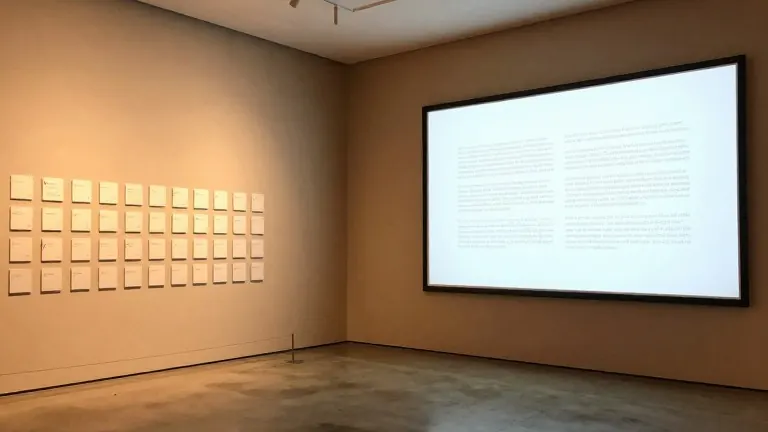
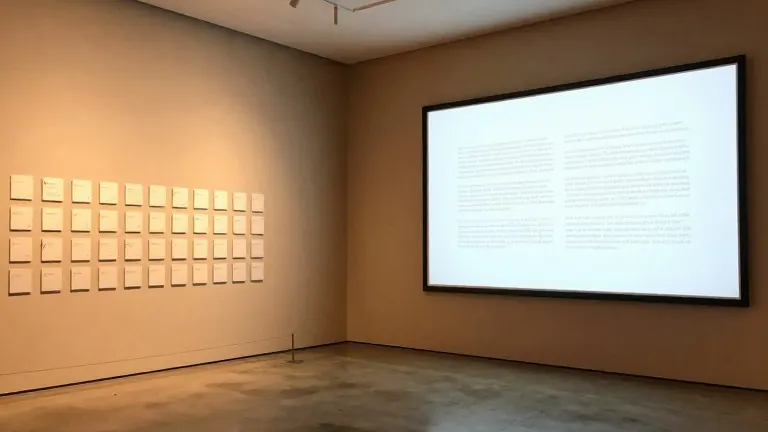
The exhibits use multimedia installations, audio recordings of speeches, and oral histories to tell these stories. Feedback walls invite guests to share if they have participated in a protest or read a banned book. Scott said the curation prioritized immersion through a diasporic representation and storytelling approach. 'We wanted people to see themselves,' she said. The displays include narratives that have faced scrutiny in recent years, such as those targeted by a Trump administration review of federal museum narratives.
Martha Biondi, a professor of history and Black studies at Northwestern University, supported the effort to preserve New York’s civil rights history. She stated that America must tell true stories to become a true multiracial democracy. Morial said the museum retells history with all of its beauty and warts. He added that the institution will continue to evolve its exhibitions and is just getting started.
The grand opening event on Saturday included invited elected officials and other guests. Scott described the project as just scratching the surface in uncovering local stories, citing sources like the New York Amsterdam News and Jet magazine. She said the goal is to ensure these stories are not erased and that people remain empowered to create change.
The museum's permanent and rotating galleries occupy the Urban League's headquarters. The opening marks the end of the curation process that prioritized specific local histories over the more widely recognized Southern narratives.