Pullman Porters: The Hidden Backbone of American Luxury Rail
Black workers endured long hours and low pay to run the country's premier sleepers, eventually forming the first major Black-led railroad union.
By Lorenzo Patterson ·
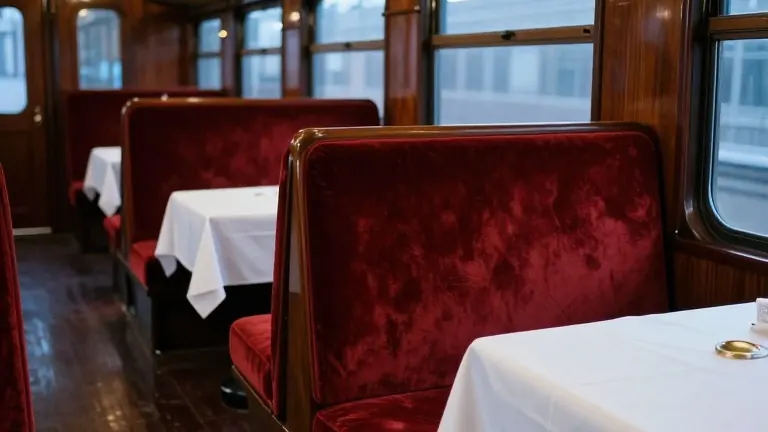
George Pullman built the most luxurious train cars in America, but he relied on Black men to deliver the experience. Starting around 1867, the Pullman Palace Car Company hired thousands of African Americans, including formerly enslaved people, to serve white passengers in its 'hotels on wheels.' These men became essential to the railroad industry while facing the strict rules of Jim Crow segregation.
The company operated the country's premier luxury sleeping cars, dining cars, and lounge areas. Passengers enjoyed plush accommodations, but the men maintaining that comfort worked under grueling conditions. Pullman believed Black workers would tolerate long hours for low wages. They were barred from traveling in the same passenger cars as the customers they served.
The physical demands were immense. To receive a full salary, porters often had to work 400 hours or travel 11,000 miles per month. These requirements sometimes resulted in 20 hour shifts with minimal rest. Workers paid for their own uniforms and meals. They also performed unpaid preparation and cleanup duties. Linus Scott, a porter for 35 years, told CBS in 2009 that he once worked 21 hours straight and slept for only three.
"I was cutting the road," Scott said. "There were some good days, and some bad days, but you take the good with the bad." Many porters earned just one dollar per day. Tips were necessary to supplement their wages. This financial pressure forced them to satisfy passengers at every turn.
The job required more than just service. Porters carried luggage, shined shoes, prepared berths, cleaned compartments, and served food. Some were expected to sing and dance to entertain customers. White passengers often addressed them as 'boy' or 'George' after the founder, ignoring their actual names. The men had to remain cheerful while navigating constant racial scrutiny.
Despite the discrimination, the role offered unique mobility. Porters traveled across the country, exposing them to different communities and influential figures. They circulated news and connected Black communities during a time when segregation limited public access. Their earnings and professional networks helped grow the Black middle class. Their work aligned with the Great Migration as African Americans sought better economic opportunities.
The porters eventually organized to challenge the company's control. In August 1925, the Brotherhood of Sleeping Car Porters was established. It became the first labor organization led by African Americans to gain national recognition in the railroad industry. A. Philip Randolph was recruited as its president in 1929. The union fought for fair wages and improved conditions despite strong opposition from the Pullman Company.
The union secured a collective bargaining agreement with Pullman. This victory extended beyond the railroad industry. It helped lay the groundwork for future civil rights organizing. Randolph later became a prominent leader in the struggle for racial equality, linking workers' rights to the broader fight for justice.
The company dominated the luxury sleeping car business for decades. At its peak in 1929, Pullman sold nearly 34 million premium fares. In 1940, the federal government challenged the company's monopoly in court. A court order forced the separation of its manufacturing and operating businesses. By the 1950s, passenger rail travel declined as automobiles and air travel grew. Pullman ceased operations in 1969.
Amtrak began operating in 1971 and assumed most remaining passenger routes. Some former Pullman porters retired, while others continued under the new system. By the 1980s, veteran workers known as 'Old Heads' trained younger employees in traditional service standards. By the 1990s, nearly all original porters had retired, closing a chapter that began after the Civil War.
Source: WOLB