Extreme El Niño Drives Record Flooding Across Southwest U.S.
Meteorologists warn that a rare warming cycle is pushing moisture into the region, with peak intensity expected in December.
By Pedro Tanaka ·
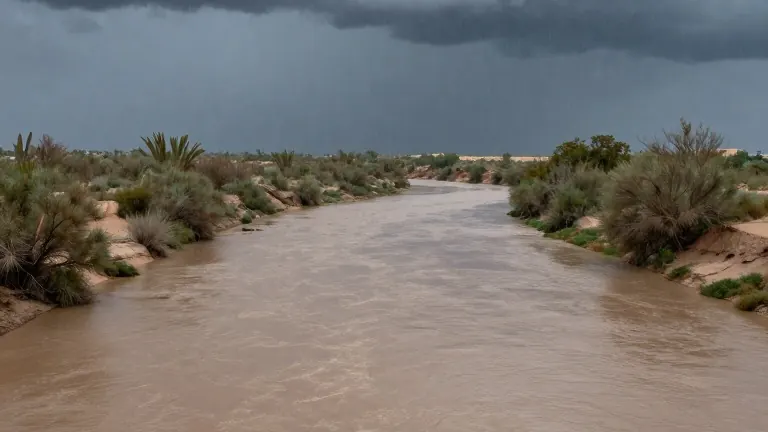
Flash floods and severe storms are battering the American Southwest as an intense El Niño event adds fuel to the fire. The warming of Pacific Ocean waters is injecting heavy moisture into the atmosphere, creating conditions for extreme precipitation that experts describe as historically unusual.
El Niño is a natural climate cycle that occurs irregularly every few years. While previous strong events have been documented, scientists say the current iteration is particularly extreme. Jeff Masters, a meteorologist at Yale Climate Connections, stated that while super El Niños have happened before, this one stands out. He called it a super duper El Niño.
The impact has been severe in recent days. On Sunday, flash floods forced evacuations in parts of northern New Mexico and central Arizona. A ski town in Colorado prepared for its main river to reach dangerous levels. These events followed another wet storm system the previous week that caused days of flooding across southwestern states.
Former National Oceanic and Atmospheric Administration chief scientist Ryan Maue calculated that more than 20 trillion gallons of water have fallen on Nevada and the Four Corners states in just two weeks. Daniel Swain, a climate scientist with the University of California Agriculture and Natural Resources, noted that while the likelihood of heavy precipitation in the Southwest interior increases this time of year, the current degree of activity is unprecedented.
Human-caused climate change has already warmed global oceans, which amplifies the effects of El Niño. Randy Cerveny, a meteorologist at Arizona State University, explained that ocean temperatures are higher now than they were a century ago. This baseline warmth makes El Niño situations more intense. Swain added that regions such as Peru and Ecuador are also experiencing record-breaking flooding linked to the same phenomenon.
Experts expect the El Niño event to reach its peak in December. The atmospheric changes and heavy rainfall could continue for months after that peak. Cerveny said the Pacific Ocean heating has not yet reached its maximum, so similar storm events are likely to persist.
Officials and scientists advise residents to monitor forecasts, plan ahead, and follow evacuation orders from local authorities. The combination of shifted winds and added moisture continues to create ideal conditions for storms across the Southern U.S.