D.C. Parks: Task Force proposes shifting National Park Service land to local control
A two-year study suggests transferring management of smaller urban green spaces to the District to address a $600 million budget deficit.
By Pedro Tanaka ·
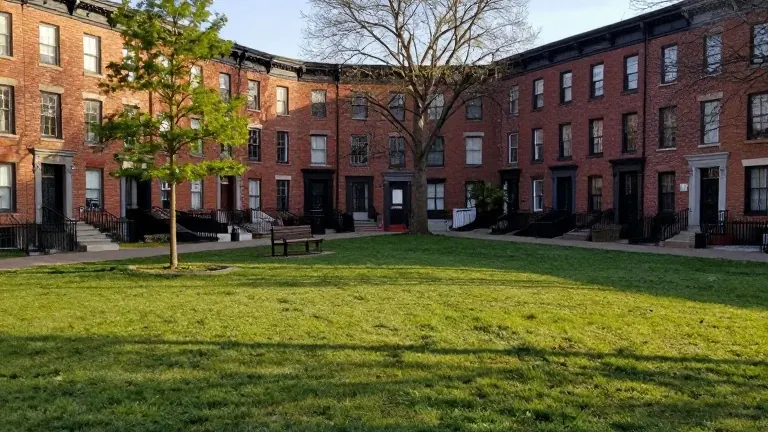
The National Park Service currently manages approximately 6,500 acres of open space in Washington, D.C., which constitutes 90% of the District's total green space. A newly released report by the D.C. Neighborhood Parks Task Force recommends transferring jurisdiction of many of these areas to local government agencies. The task force spent two years developing these recommendations, aiming to align park management with the specific needs of residents.
David Whitehead, a member of the task force and the D.C. chapter of the Sierra Club, argued that local officials are better positioned to advocate for park usage. He noted that neighborhood council members, ward council members, and the mayor understand local priorities more effectively than federal agencies. Whitehead stated that this shift would allow for more responsive stewardship of urban green spaces.
The report arrives during a period of fiscal strain for the District. Council hearings in recent weeks identified a projected budget deficit of approximately $600 million. Whitehead suggested that local control could reduce operational costs for smaller sites, such as the triangular parks found in many neighborhoods. He explained that fewer bureaucratic entities would be involved in simple improvements, such as installing benches or coordinating nearby bus stops.
The task force also addressed funding mechanisms for the newly managed parks. The report advises the District to explore cost recovery options to sustain operations. Whitehead indicated that the report creates a framework for determining which portions of parkland could be leased for events or other uses. The goal is to generate revenue that can be reinvested directly into park maintenance and improvements.
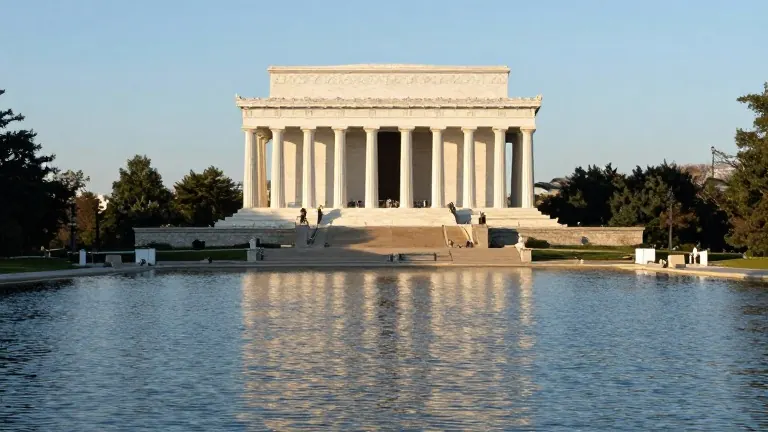
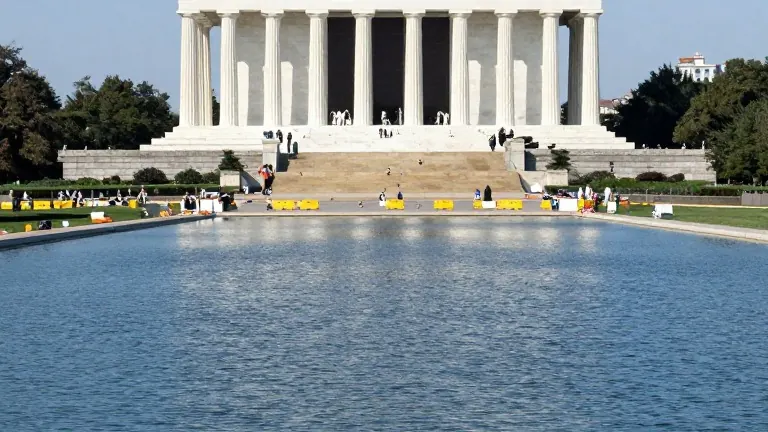
The report categorizes parkland into four distinct types to guide management decisions. These range from small neighborhood parks to larger District parks featuring play areas, fields, and native plantings. It also includes nature conservation zones and downtown destination parks that may host cafes or concessions. The National Park Service would retain control of parks designated as having national significance. The report notes a distinction between sites of historical importance and areas that serve to activate limited green space in dense urban environments.
Additional recommendations include fostering community management for small parklets and neighborhood gardens. The task force aims to create a system that balances the preservation of historical sites with the need for recreational spaces. The report concludes by framing the current moment as an opportunity to restructure the District's park system to meet future resident needs.
Source: WTOP News