Mexico Enforces School Phone Ban Amid Parent Pushback Over Safety
The new decree takes effect Nov. 3, banning cellphones in classrooms while parents in high-crime areas fear losing direct contact with their children.
By Nikolai Morales ·
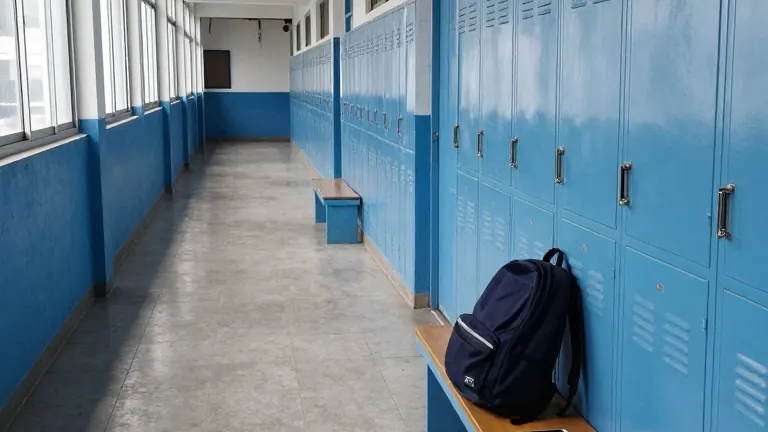
Mexican President Claudia Sheinbaum’s administration is implementing a federal ban on cellphones in elementary and middle school classrooms starting Nov. 3. The measure aims to reduce student exposure to digital devices, a move that has divided parents across the country. While some view the ban as a necessary step to protect attention spans, others in regions plagued by organized crime worry the rule removes a vital safety link during school hours.
The decree prohibits the use of electronic devices during the school day except for educational purposes, teacher guidance, or medical needs. Students may transport phones to school but must keep them off in class. Education Secretary Mario Delgado told the Chamber of Deputies that the policy seeks to prevent addiction to digital platforms and the related disorders in minors. Authorities are also preparing separate rules this month that will require digital platforms to remove content involving hate speech, abuse, and cyberbullying.
Resistance is strongest in states with high rates of violence. Francisco Ortiz, the state representative of the National Union of Parents in Sinaloa, argued that the regulation ignores parental authority. He noted that many children spend significant time at home rather than at school due to safety concerns, making digital communication essential. Ortiz said the government approved rules that go against the rights of parents by limiting their ability to check on their children.
In Escuinapa, Sinaloa, the debate took on a personal tone following an Oct. 22 attack on a school bus. A man on a motorcycle shot at the vehicle, injuring the driver with glass shards. Video from the scene showed students hiding under seats. One resident, who asked to remain anonymous, called her daughter during class after hearing the news. She said hearing her voice calmed her and emphasized that the safety of children comes first in such communities.
Benigno Gómez, a father in Tamaulipas, acknowledged the need to limit screen time but found it difficult to accept that students could not use phones during potential risk situations. He described the ban as a little difficult to enforce given local conditions. Mexican authorities have not yet responded to these specific concerns, focusing instead on the cognitive benefits of reduced device use.
Israel Sánchez, president of the National Union of Parents, supported the ban as a progressive step after years of advocacy by his organization. He called for an awareness campaign and teacher training to ensure the rule is implemented effectively. Dr. Lucía Magis-Weinberg, a neurodevelopmental researcher at the University of Washington, stated that Mexico is joining a global trend at an opportune moment. She described technology as a double-edged sword that requires regulation to avoid cognitive damage.
UNESCO data indicates that 114 countries have already banned cellphones in schools. In Europe, France extended its ban to secondary schools in August. Latin American nations including Ecuador, Brazil, Chile, Bolivia, and Costa Rica have implemented similar controls. In the United States, such bans remain limited to specific states.
Source: WTOP News