Two ballistic missiles intercepted as Houthi strikes target six Saudi sites
Yemen’s Houthis claimed attacks on major oil and aviation infrastructure, prompting Saudi defenses to shoot down incoming threats near holy cities.
By Ji-eun Choi ·

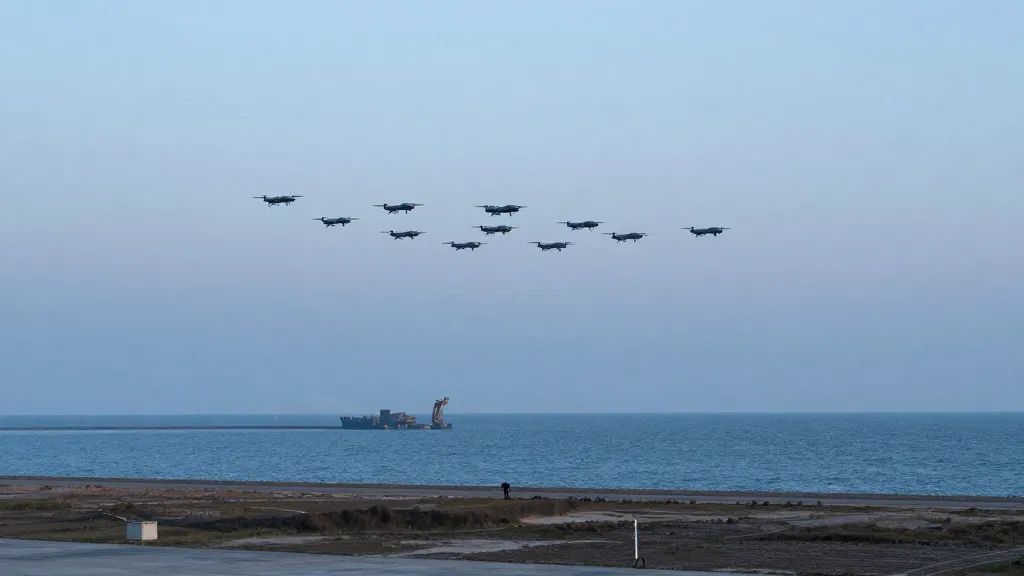
The number two defines the immediate reality of Saturday’s regional conflict, as Saudi Arabia successfully intercepted two ballistic missiles aimed at its most sacred locations.
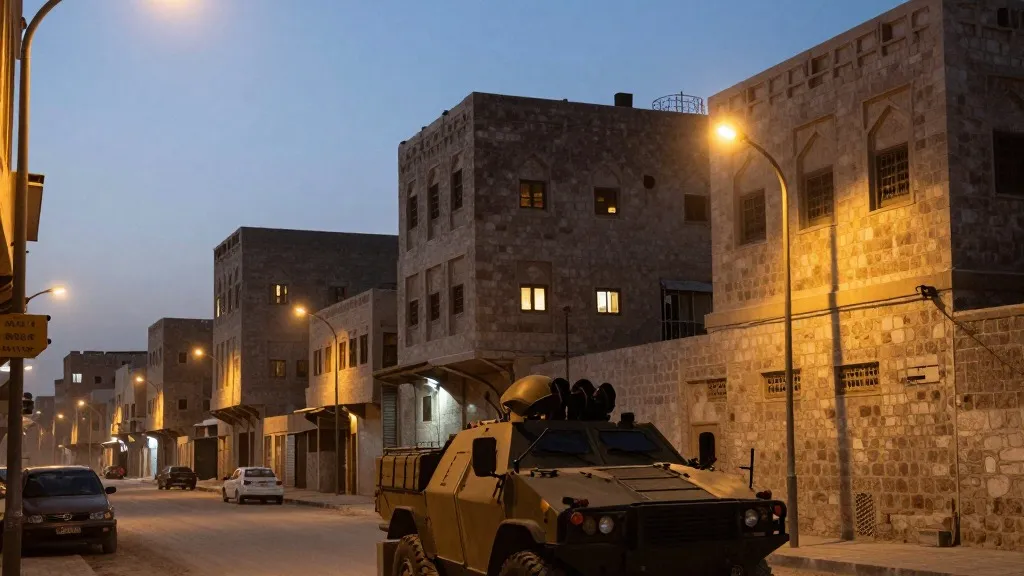
Civil Defense officials confirmed that the projectiles were launched by Yemen’s Houthi movement toward the Mecca and Medina regions. Although the primary threats were neutralized in the air, the physical impact of the engagement was widespread. Debris from the interception process fell in several locations across the western part of the kingdom. Specifically, fragments were reported in Jeddah, Taif, and Rabigh, indicating that the defensive measures, while effective, left a scattered trail of debris across key urban and industrial centers.
This defensive action occurred in response to a coordinated offensive declared by the Houthi leadership. The group announced a series of attacks targeting critical Saudi infrastructure, with a heavy focus on the energy sector and aviation hubs. The stated objectives included a Saudi Aramco facility in Yanbu and the Rabigh oil refinery, both vital components of the national energy supply chain. The Houthi military spokesperson, Yahya Saree, detailed the scope of the operation, noting that King Khalid International Airport in Riyadh was also a target.
The scope of the Houthi campaign extended beyond the capital and the western coast. Saree indicated that King Fahd International Airport in Dammam was struck, along with Najran airport. The group also claimed an attack on an air base in Khamis Mushait, suggesting a broad geographic spread of the offensive. This pattern of targeting both oil processing facilities and major international airports highlights a strategy aimed at disrupting economic flow and commercial travel simultaneously.
The exchange of fire was not strictly one-way on the day in question. Houthi-linked media, specifically the Saba News Agency, reported that Saudi Arabia had conducted strikes on the Yemeni capital. The Yemen National Commission for Human Rights issued a condemnation of these actions. The group described the events in the Asr neighborhood of Sanaa as a massacre. They also detailed an attack on a cement factory located in the Hamdan district of Sanaa Governorate, illustrating the reciprocal nature of the current hostilities.
These developments unfold against a backdrop of heightened caution from the United States. The State Department updated its travel advisory for Israel on Friday, signaling a more volatile regional environment. The notice warned of an increased threat of armed attacks by Iran-backed Houthi terrorists. It specifically cited the potential for a rapid escalation of regional hostilities, urging American citizens to remain vigilant.
Despite the updated warnings, the overall travel advisory classification for Israel remained at Level 3. This level continues to urge American citizens to reconsider travel due to terrorism and unrest. The existing risk indicators and restrictions on travel to certain areas of the country did not change. This consistency in classification suggests that while the threat level has shifted in specific ways, the fundamental risk assessment for travelers remains stable.
The State Department’s warning on armed conflict referenced previous Houthi attacks against Saudi Arabia. It highlighted that prior strikes on civilian airports and critical infrastructure had resulted in civilian casualties and major travel disruptions. This historical context provides a framework for understanding the current situation, where the targeting of civilian infrastructure continues to pose significant risks to both local populations and international travelers.
The interception of the two missiles near Mecca and Medina serves as a critical data point in the ongoing conflict. It demonstrates the defensive capabilities of Saudi Arabia while also confirming the Houthi ability to project power toward the kingdom’s heartland. As debris falls in cities like Jeddah and Rabigh, the tangible effects of the conflict become visible to the public, reinforcing the urgency of the recent travel advisories and the broader regional tensions.
The situation remains fluid, with both sides claiming successes in the latest round of exchanges. The focus on oil facilities and airports underscores the economic stakes involved in the conflict. For observers, the key takeaway is the continued ability of the Houthis to threaten critical infrastructure, necessitating robust defensive responses and careful monitoring of regional developments by international actors.
Source: The Jerusalem Post