Syrian Protests Intensify After Israeli Operations Claim Life of Disabled Man
Nationwide rallies in Syria highlight public frustration over recent military activity in the south, sparked by the death of a man with special needs during an incursion.
By Zanele Khumalo ·
The death of a man with a disability has turned public sentiment in Syria toward the front lines of its southern border.
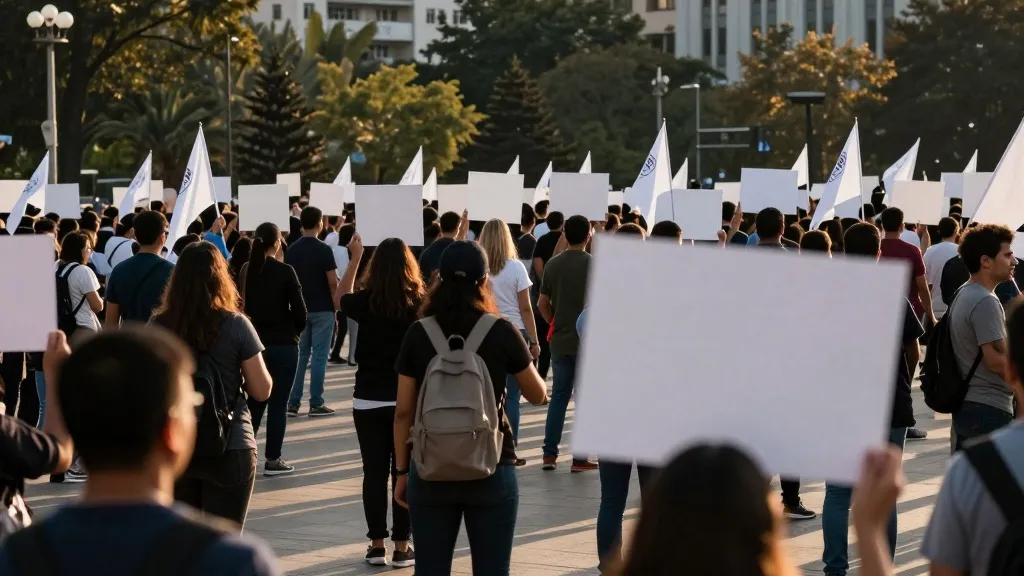
On Friday, crowds gathered in major cities across the country to voice their opposition to repeated military actions by Israel in the south. The demonstrations were a direct response to operations conducted earlier in the week that resulted in the killing of Moaz, a man with special needs. State media reported that large groups of people assembled in the capital, Damascus, as well as in Homs, located in central Syria. These gatherings served to condemn the attacks and incursions occurring in the southern provinces of Quneitra and Daraa.
In the city of Daraa, an AFP correspondent observed hundreds of participants at one such rally. Some demonstrators waved Syrian flags while expressing their grievances. Taysir al-Hariri, one of the protesters, explained the motivation behind the turnout to the news agency. He stated that the crowd had come out to "send a message to the world" that Syria remains united. The goal, he said, was to show solidarity "against Israeli incursions and against anyone who is tempted to tamper. with national security".
Visual evidence from state television broadcasts showed marchers holding posters with the slogan "We are all Moaz." This phrase directly references the man with special needs who, according to Syrian officials, was killed by fire during an incursion in Daraa province just one day before the rallies took place. The imagery emphasized a collective sense of loss and a demand for accountability regarding the civilian casualties.
Outside a United Nations building in Damascus, another layer of the crisis was visible. The family of a Syrian man who had been seized by Israeli forces gathered to call for his release. Children in the group held up posters that read "I want my dad," adding a personal and emotional dimension to the broader political protest. These scenes underscored the human cost of the ongoing military presence in the region.
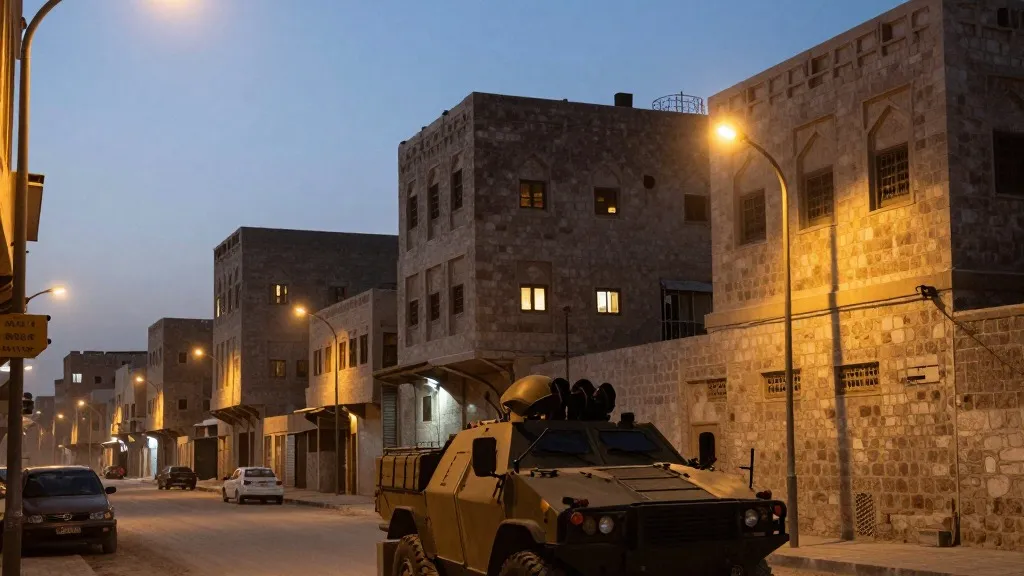
State media also provided details on the military movements on the ground. It was reported on Friday that Israeli forces had advanced into a portion of Quneitra province. These troops blocked several key roads and established a visible presence in the area. In the process, they bulldozed local olive groves, set up new checkpoints, and detained residents. These actions have contributed to a sense of encroachment among the local population.
The current situation is part of a larger pattern of activity since a new government took power in Syria. This transition occurred after the ousting of longtime ruler Bashar al-Assad in December 2024. Since that change in leadership, the Israeli military has carried out hundreds of strikes within Syrian territory. Frequent incursions have also become a regular feature of the border dynamics. Additionally, Israeli troops have entered a UN-patrolled buffer zone. This area had separated Israeli and Syrian forces on the mainly Israeli-occupied Golan Heights since 1974.
Israel has maintained a clear strategic position regarding its military footprint. The nation has vowed to keep troops stationed in a designated "security zone" in southern Syria. The stated objective is to secure a broader demilitarized area. This commitment to maintaining a physical presence continues to drive the tensions that have now prompted widespread domestic protests in Syria.
As the rallies continue, the focus remains on the balance between national sovereignty and the security concerns driving the southern border. The recent loss of life and the ongoing military operations have created a significant moment for public expression. The outcome of these demonstrations and the subsequent diplomatic or military responses will likely shape the next phase of relations between the two nations.
Source: Middle East Eye