Trump lands in Shenzhen as U.S. tech outages force administration into defensive posture
President Trump arrived in China for the APEC summit while technical failures at major American firms and agencies created domestic concern and disrupted his diplomatic narrative.
By Nikolai Morales ·
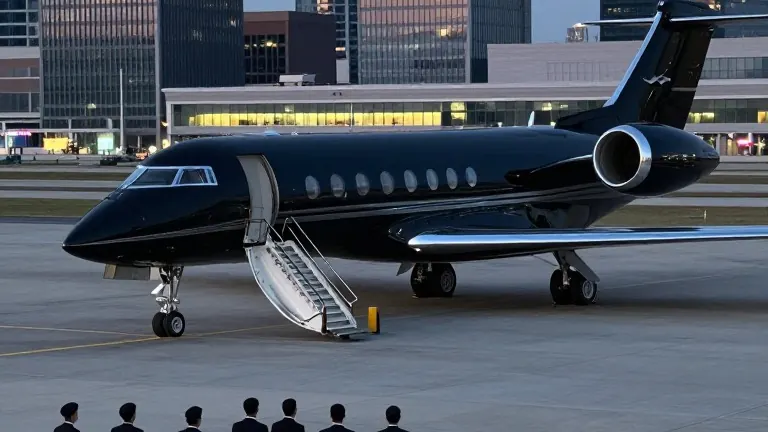
President Donald Trump arrived in Shenzhen, China, on Wednesday, aiming to project American technological dominance while a series of domestic service interruptions complicated the administration’s message. The outages affected key sectors, including banking, air travel, and national security communications, leaving many Americans uncertain about digital reliability.
The technical failures involve Microsoft, the Federal Aviation Administration, JPMorgan Chase, and the National Security Agency. These disruptions have raised questions about the stability of critical infrastructure and the impact of rapid software updates designed to patch security vulnerabilities in artificial intelligence systems.
Secretary of State Marco Rubio, who also serves as the national security adviser, addressed reporters to quell public worry. He stated there is zero evidence linking the outages to foreign actors, cyber hackers, or criminal groups. Rubio explained that fixing identified vulnerabilities often causes short-term disruptions to system operations.
Trump initially dismissed the issues from Manila on Tuesday, describing the nation as big and powerful enough to handle such events. He said, It's fine, suggesting the outages were a natural consequence of the country's size and capability. However, the persistence of the problems prompted a more formal response from Rubio before the president's arrival in the tech hub.
The diplomatic environment in Shenzhen is charged with strategic maneuvering. President Xi Jinping greeted Trump on the tarmac, reciprocating a gesture from September, while President Vladimir Putin was not greeted by Xi upon his earlier arrival. Trump plans to meet with Mexican President Claudia Sheinbaum and Canadian Prime Minister Mark Carney separately on Wednesday before the official APEC ceremonies.
A first-ever trilateral meeting is scheduled for Thursday involving Trump, Xi, and Putin. The agenda includes discussions on limiting nuclear weapons and ending the war in Ukraine. Trump indicated the conflict is close to resolution, citing high casualty rates among Russian troops, though aides had previously stated the war would not be a primary topic. He also hinted at potential private meetings with Putin and North Korean leader Kim Jong Un, though neither is on the official schedule.
Background on U.S. trade relations adds context to the summit. U.S. tariffs aimed at reducing the trade deficit with China have not halted the country's export growth, which is projected to exceed imports by one trillion dollars for the second consecutive year. Questions about artificial intelligence governance and chip access remain central to the discussions.
The summit follows recent internal changes in the tech sector, including the departure of Nvidia CEO Jensen Huang. Huang admitted to a relationship with a woman alleged to be a Chinese government agent, a situation that heightened concerns over technology transfer. Trump noted that internal differences of opinion exist within his administration regarding chip restrictions, emphasizing the desire to maintain a positive relationship with Beijing.
More Business · Business Complaints · Report a business · Got a Story?