The $0 Cost of Bait: Alaska's New Federal Bear Hunting Rule
A new regulation allows hunters to use cheap food lures on federal land, a move critics say prioritizes political interests over scientific caution.
By Arjun Patel ·
The central tension in Alaska’s new federal land policy is a clash between traditional hunting rights and scientific caution. The Trump administration has finalized a rule that permits hunters to lure bears with human food on federal lands. This change effectively overturns a previous restriction, allowing practices that opponents argue make wildlife more aggressive and risky for the public. The decision highlights a growing divide over how federal lands should be managed for both resource extraction and conservation.
The timeline of this regulatory shift is as contested as the policy itself. The Obama administration first banned baiting, a move the first Trump administration reversed. Courts initially upheld the Obama ban and struck down the Trump reversal. The Biden administration reinstated the prohibition in 2024, citing scientific evidence that baiting increases bear aggression. However, the current administration published the new rule in the federal register on Friday, October 24, 2026. It is scheduled to take effect in mid-November.
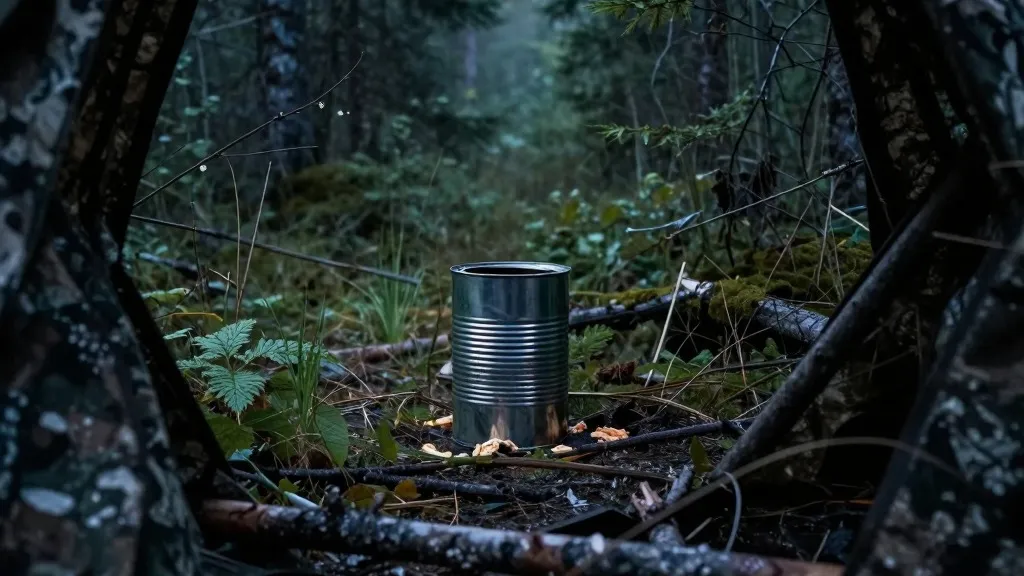
The mechanics of the new rule rely on a hands-off approach to specifics. Rather than naming allowed foods, the federal regulation defers to state laws, which generally permit baiting. Experts note that hunters typically use high-fat and high-sugar items, such as bacon or doughnuts, because they are cheap and effective. The standard method involves placing the food in a steel drum, keeping watch, and shooting the animal from a short-range blind. This approach is described by critics as a departure from the traditional spirit of sport hunting.
Drew Robertson, a senior regulatory specialist for Humane World for Animals, argued that the practice is extreme and potentially unfair. He stated that many hunters would not view this as a fair chase, calling the provision cruel and dangerous. Robertson suggested the rule stems from a specific executive order signed early in Donald Trump’s second term, titled Unleashing Alaska's Extraordinary Resource Potential. He believes the directive to reissue the rule points to political motives rather than careful regulatory review.
Interior Secretary Doug Burgum defended the measure as a response to local demands. In a press release, he described the rule as a commonsense framework that gives Alaskans a stronger voice in decisions affecting their traditions. He emphasized that the change respects the knowledge of those who live closest to the land. The administration views this as a correction of overreach by previous federal agencies.
Legal experts are already scrutinizing the validity of the new approach. Nicholas Arrivo, a managing attorney at Animal Protection Law, rejected the idea that delegating control to the state is appropriate for federal lands. He argued that Congress created the federal land program to keep decision-making power at the national level. Arrivo noted that the 2024 rule underwent a more robust scientific process, and its abrupt reversal raises questions about legality, even though no lawsuit has yet been decided.
The next steps for this rule will be determined by on-the-ground implementation and potential court challenges. As the regulation takes effect in mid-November, wildlife managers will need to monitor bear behavior around bait stations. The outcome will likely set a precedent for other recent, controversial hunting methods permitted in Alaska, such as helicopter hunting and the use of artificial lights to draw animals from dens.
Source: The Guardian