Tesla Reveals Fighter Jet Style Dashboard for Next-Gen Roadster
A new video offers the most detailed look yet at the cockpit interface, highlighting track telemetry and thruster controls for the 2028 launch.
By Sofia Ramirez ·
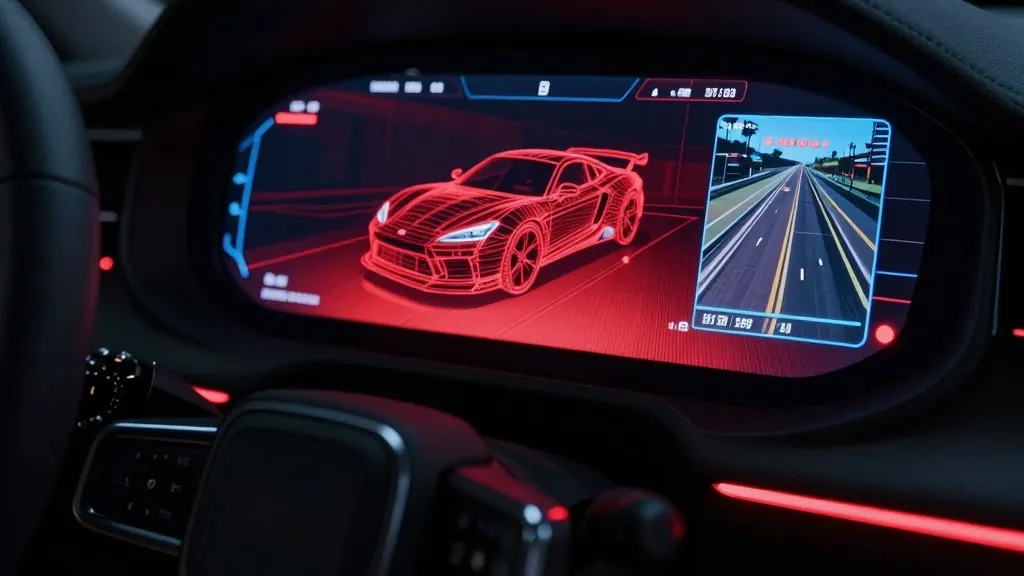
Tesla provided the clearest view yet of the interior for its upcoming Roadster on Friday. The company released a 34-second video on X that walks through the vehicle's digital controls. The clip highlights a design philosophy that borrows directly from military aviation. Tesla described the interface as being built around the pilot, inspired by fighter jet cockpits.
The visual experience centers on a large touchscreen that replaces the traditional map-based layout. The home screen features a 3D wireframe of the car rather than a geographic map. This model allows drivers to interact with specific components to adjust settings. Users can toggle the rear wing between low drag and high downforce positions. A charging page displays a charge limit bar and a compact music player.
Navigation is handled through a row of tabs at the bottom of the screen. These options include Home, Vehicle, Listen, Climate, and Navigate. The interface prioritizes vehicle-specific data over standard infotainment features. This setup distinguishes the Roadster from the rest of Tesla's current electric vehicle lineup.
The majority of the video focuses on a dedicated Track Mode. This section displays live telemetry for performance driving. The dashboard shows a real-time map of the racing circuit. It also lists session lap times and monitors critical mechanical temperatures. Drivers can see brake and motor temperatures, along with pressure and temperature readouts for all four tires.
Advanced setup options allow for precise mechanical tuning. The driver can select aero modes such as Auto, Low Drag, High Downforce, or Custom. Sliders enable adjustments to aero balance and brake balance. The system also allows users to disable stability and traction control for maximum performance. A status bar at the bottom of the screen displays the thruster pressure and boost readiness.
This software ties directly into the hardware Tesla revealed near Waco, Texas, on October 15. The Thrust and Rocket versions utilize cold gas thrusters powered by carbon overwrapped pressure vessels. The base Performance model relies on a fan and ground sealing system for grip. The on-screen aero settings correspond to the active wing and suction technology that generates downforce.
Production of the Roadster is scheduled to begin in 2028. Elon Musk confirmed this timeline at the recent launch event. The flagship Rocket version is not yet approved for public road use. It is available by invitation only, while the Thrust version is a limited release. Reservations are currently open with a $50,000 payment required to secure a spot.
The interface may undergo further changes before final delivery. Tesla has not indicated whether the Track Mode telemetry will transfer to other models like the Model 3 Performance. The public will have the first opportunity to see the physical car this weekend. The Roadster will be on display in the lobby of the Petersen Automotive Museum in Los Angeles from October 24 to 27.
Source: Teslarati