Tesla Delays Robot Shipments to 2027
Musk cites hand durability and AI gaps as Tesla pushes external Optimus robot deliveries to late 2027.
By Ji-eun Choi ·
Tesla CEO Elon Musk has officially shifted the timeline for external Optimus robot deliveries to the end of 2027. During the company’s Q3 2026 earnings call, Musk indicated that the humanoid unit requires further development in its hand mechanics, overall durability, and artificial intelligence before it can be sold to outside businesses. This update marks a significant delay from previous targets that promised broader availability by 2026.
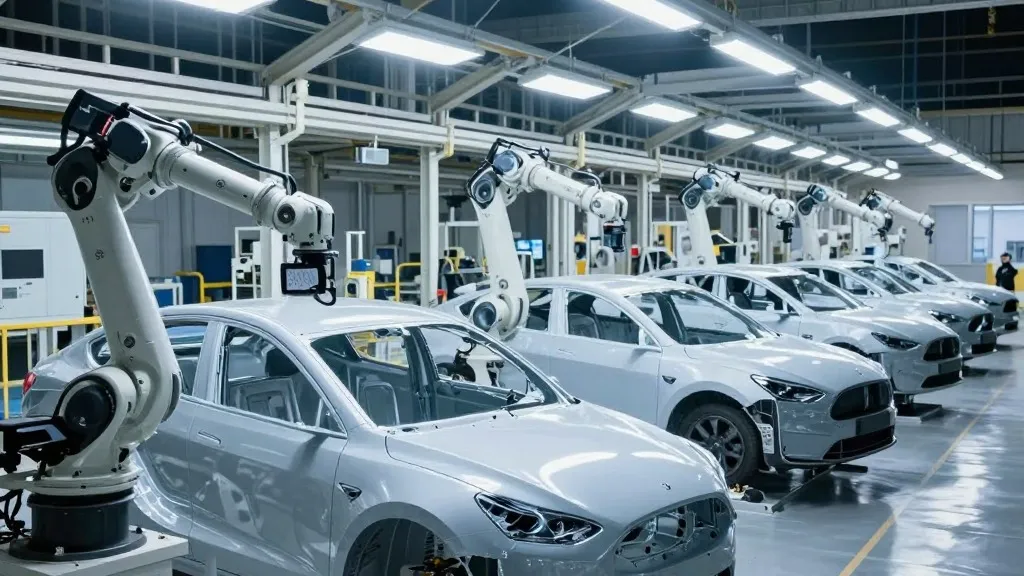
The production infrastructure is largely in place, but the pace of manufacturing remains a challenge. Tesla has installed the majority of its high-volume line at the Fremont facility, where Model S and Model X production previously took place. This line is designed to eventually produce one million units annually, a rate equivalent to 20,000 robots per week. However, Musk warned that reaching this capacity will take at least a year, possibly longer, due to ongoing design changes and the complexity of the build.
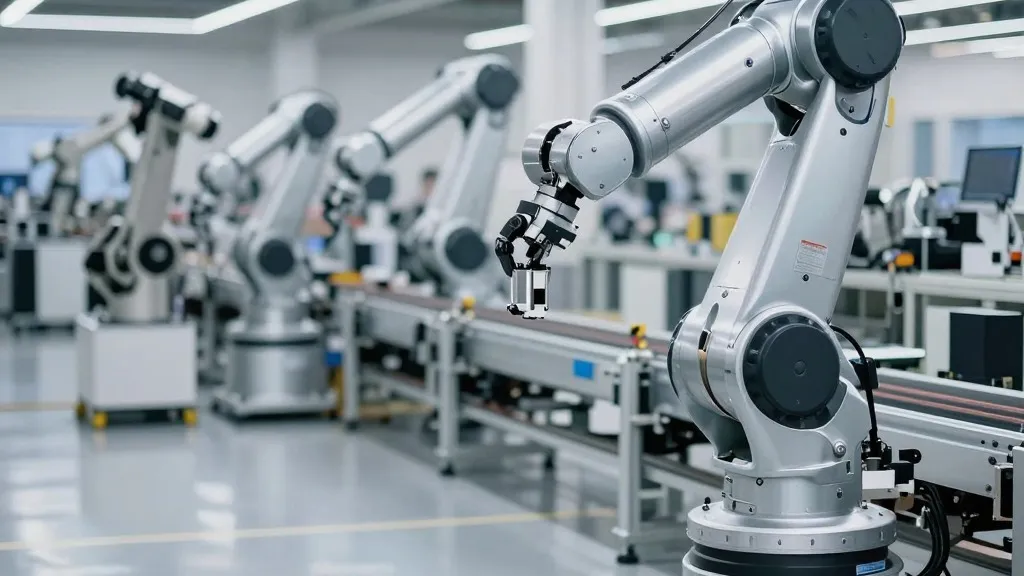
Key engineering hurdles remain centered on the robot’s hands and custom gears. A Tesla Optimus engineer noted that the hand is one of the most difficult hardware components to finalize. Musk agreed, explaining that the fingers must be soft enough to manipulate delicate objects while withstanding constant physical wear. Unlike human skin, robot skin cannot heal, making durability a critical bottleneck for long-term reliability.
The artificial intelligence side of the equation is also a work in progress. Unlike Tesla’s cars, which collect data for Full Self-Driving, the robot fleet is too small to generate sufficient training data. To address this, Tesla plans to build between 10,000 and 20,000 robots for an internal "Optimus Academy" where they will practice various tasks. The company also intends to integrate its AI5 chip into the robots by April 2027 to improve processing capabilities.
Competitors are making parallel progress, challenging Musk’s assertion that no one is close to Tesla’s capabilities. XPeng activated an automated production line for its IRON robot in September, targeting mass production by the end of 2026. Meanwhile, Hyundai’s Boston Dynamics has committed all its 2026 Atlas deployments to clients, including Google DeepMind. Boston Dynamics has also adopted a pragmatic approach to hands, using sturdy grippers for industrial parts rather than attempting human-like dexterity.
The stakes for Tesla are high as it moves from internal prototypes to external commercial products. The company aims to deploy Optimus in industrial settings for dangerous, repetitive, or around-the-clock work. While Tesla claims to be leading the pack, the consistent slippage in timelines and the tangible progress of rivals suggest that the race to commercialize general-purpose humanoid robots remains intensely competitive.
Source: Electrek