EU Seeks $49.4 Billion for Ukraine
Commission proposes borrowing to cover 2027 costs as Russian attacks strain Kyiv's finances.
By Nikolai Morales ·
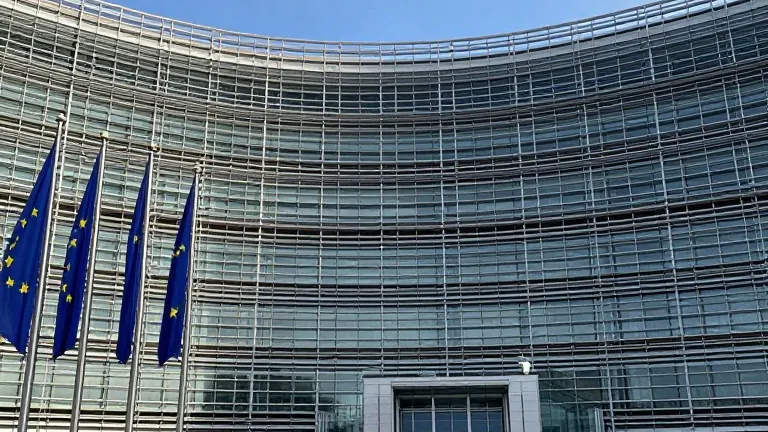
European Union officials plan to borrow 45 billion euros, or $49.4 billion, to support Ukraine's economy and military operations in 2027. The proposal aims to address rising costs after five years of conflict.
Leaders within the bloc previously agreed to an interest-free loan of 90 billion euros to cover needs for 2026 and 2027. However, increased Russian attacks on energy infrastructure and disruptions to Black Sea trade have tightened Ukraine's financial position. The European Commission now estimates that Kyiv requires 70 billion euros next year.
The commission intends to raise approximately two-thirds of that amount on capital markets. It proposes allocating 20 billion euros to the civilian economy and 25 billion euros to the armed forces. The remaining funds are expected to come from countries outside the 27-nation bloc that hold triple-A credit ratings.
Ursula von der Leyen, president of the European Commission, stated that this approach provides Ukraine with a strong position at the negotiating table. She explained that budget support will maintain essential services such as schools and hospitals. Military funds will provide the means for Ukraine to defend itself.
Interest generated from Russian assets frozen under EU sanctions will help service the new loans. Euroclear, a Belgian financial clearing house, holds the majority of these assets, totaling around 204 billion euros as of the end of September. Euroclear estimates it has paid out about 8 billion euros in windfall profits to the EU so far. Belgium has vetoed the direct use of the principal assets for lending to Ukraine.
The commission has urged Australia, Canada, Liechtenstein, Norway, and Switzerland to provide the remaining funding. Ukraine would only be required to repay these loans once Russia pays hundreds of billions of euros in reparations for the destruction caused since February 2022.
Some EU nations remain hesitant to join the financing effort. The Czech Republic, Hungary, and Slovakia declined to participate in the previous loan and are threatening to repeat that stance. Von der Leyen said all 27 member states want to support Ukraine and expressed confidence that all will participate. She noted that countries preferring to invest only in civilian support can assign their commitments to that portion of the loan.
Friedrich Merz, the German chancellor, threatened to delay agreement on the EU's next long-term budget if all member countries do not commit to supporting Ukraine. He wrote to European Council President António Costa that supporting Ukraine is a matter of indivisible European security. Merz argued that burden sharing must be collective and without exception.
Costa and many EU leaders aim to approve a plan for the 2028-2034 budget by the end of the year. This spending package also includes funds for Ukraine. EU leaders are scheduled to discuss the budget and the new loan at a two-day summit in Brussels late next week.
More Business · Business Complaints · Report a business · Got a Story?