EU Navy Deploys Forces as Pirate Attacks in Gulf of Aden Reach 79
Commanders link the surge to regional conflicts and rising fuel costs, while shipping companies adjust routes to protect global trade.
By Pedro Tanaka ·
Global shipping lanes face renewed pressure as instability in the Middle East and East Africa drives maritime crime higher. The European Union’s naval forces have recorded 79 pirate attacks in the region since late 2023.
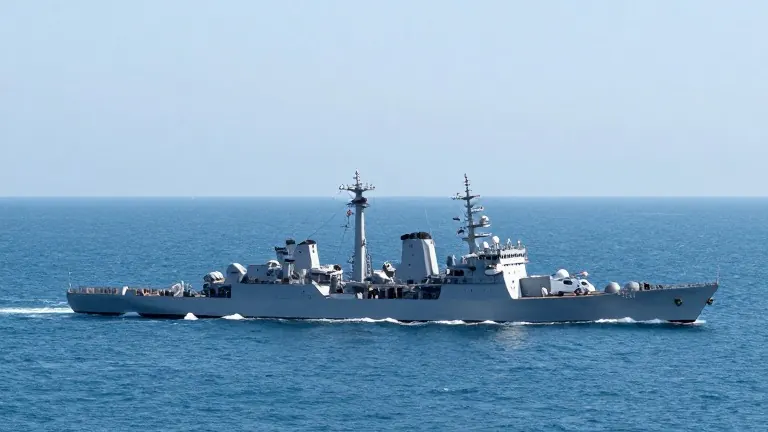
The Associated Press gained access to the ESPS Santa Maria, a 4,000-ton Spanish frigate that leads Operation Atalanta. The vessel has been active since 2008 and patrols the western Indian Ocean and the Gulf of Aden. More than 200 crew members serve on the ship, which carries heavy guns, torpedoes, and missiles. A helicopter and drone launch from the stern to monitor the waters and deter small pirate boats.
Vice Adm. Ignacio Villanueva, commander of Operation Atalanta, explained the causal chain linking war to piracy. He noted that instability leads to illegal activities, which then push local clans toward the sea. Portuguese Commodore José Rodrigues Pedra, the mission commander at sea, confirmed that roughly 30 of the 79 attacks occurred after the Iran war began in February.
The Bab el-Mandeb Strait is a critical chokepoint located about 50 miles north of the patrol zone. In peacetime, approximately 12% of world trade and a quarter of container traffic move through this narrow waterway. The strait is currently contested by Saudi-backed forces in Yemen and Iran-backed Houthi rebels. Disruptions in the Strait of Hormuz have made Bab el-Mandeb an essential alternate route for oil exports, increasing its strategic value.
Cmdr. Fernando María Zumalacarregui Alario, commanding officer of the Santa Maria, warned that threats to cargo ships directly impact Western life. He stated that if trade is threatened, prices rise and living standards decline. The commander spoke from the bridge of the frigate while Spanish special forces conducted a live-fire exercise nearby.
The resurgence of piracy is driven by economic hardship in Somalia. The United Nations reported in February that around 30% of the population faces critical food insecurity. Analysts point to malnutrition, political impasse, and civil strife as key factors. Rising fuel prices caused by the Iran war have further compelled people to seek new livelihoods on the water, according to Jakob Larsen, safety and security chief for the BIMCO shipowners association.
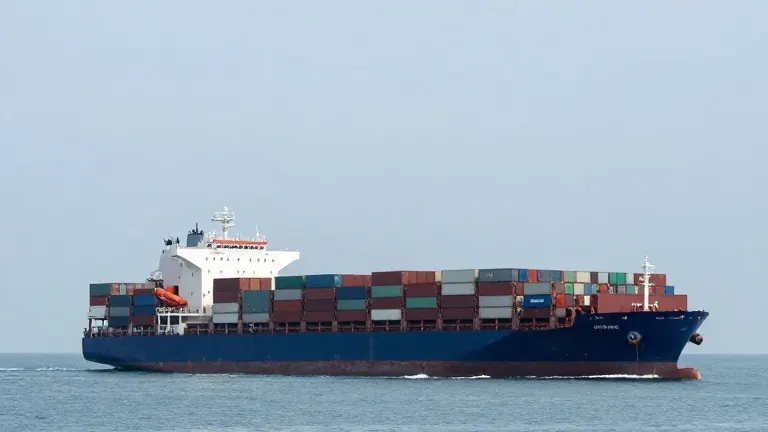
Pirates have changed their tactics. They now seize vessels off the Yemeni coast and move them toward Somalia, exploiting the chaos in the southern Arabian Peninsula. Six commercial vessels were hijacked between April and August of this year. Five were freed, but the Tanzanian-flagged tanker MT Asana remained under pirate control as of October 16. The International Maritime Organization reported that 22 seafarers were still captive on that ship earlier this month.
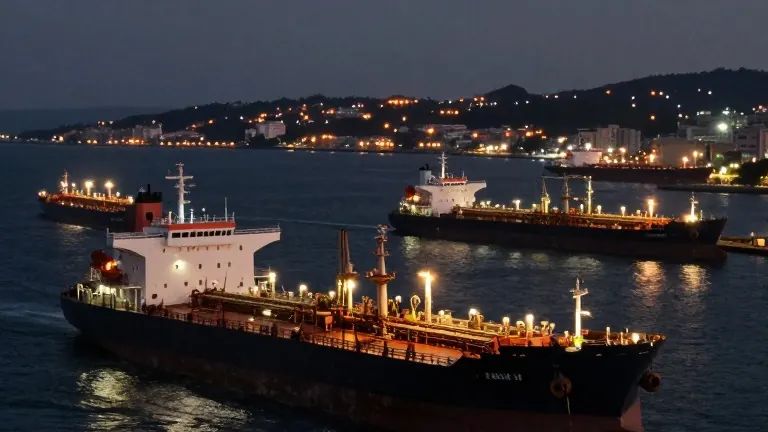
Recovery operations carry risks. During the September operation to recover the tanker Honour 25, five crew members died. The IMO said 44 seafarers were freed from that vessel and two other tankers, Eureka and Sibu 1. Indian forces also freed an Iranian fishing vessel in early November after a 48-hour operation. Fishing boats are frequently targeted because pirates use them as bases to raid larger ships.
Christopher Hockey, a fellow at the Royal United Services Institute, observed that piracy benefits regional powers like Iran and the Houthis by disrupting maritime traffic. He warned that shipping lanes may split into two groups: vessels with armed guards and those without. He noted that no vessel with an armed security team has ever been hijacked. Companies that save money on security or conduct irregular trade remain the primary targets.
Shipping companies are adapting by rerouting vessels and increasing security spending. Insurance costs have risen as a result. Mohammed al-Basha, founder of the Basha Report risk advisory firm, said the Houthis have approached companies to offer protection services. He described their strategy as leveraging their control of the strait to generate revenue, similar to the Suez Canal model.