China and ASEAN miss deadline for South China Sea code
Negotiators agreed on 80% of the text but left key issues on scope and legal force unresolved for next year.
By Nikolai Morales ·
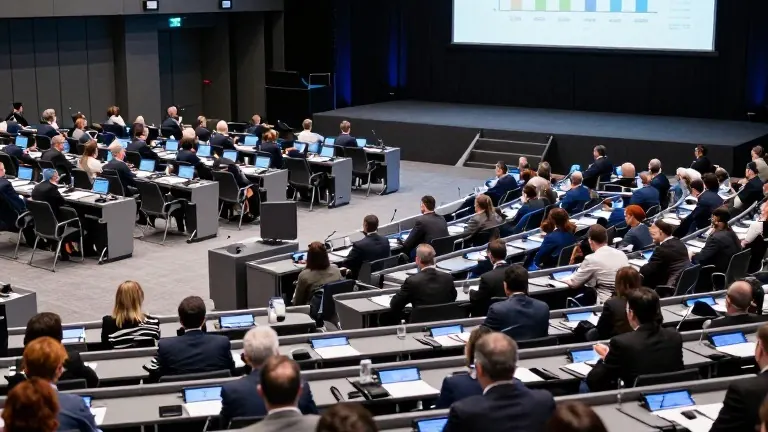
China and the Association of Southeast Asian Nations failed to finalize a long-awaited code of conduct for the South China Sea by the end of 2026, three regional diplomats said on Wednesday. The parties had agreed in 2023 to accelerate talks and conclude the negotiations within that timeframe. They now expect to continue the process in 2027 when Singapore assumes the rotating ASEAN chairmanship.
The diplomats, who spoke on condition of anonymity because they were not authorized to discuss the matter publicly, reported that the bloc and Beijing provisionally agreed on approximately 80% of the paragraphs included in the draft agreement. The final round of discussions took place last month. The remaining unresolved issues involve the geographic scope of the accord, the definition of specific sensitive terms, and whether the final text will carry legally binding weight.
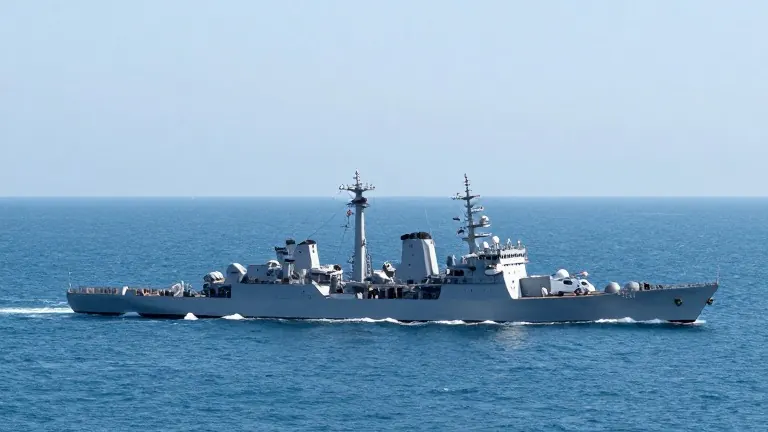
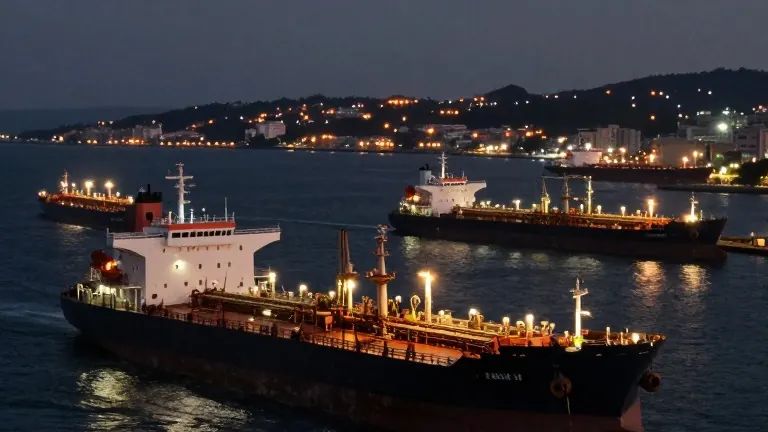
Negotiations for this code began in 2005. The primary goal is to prevent sporadic confrontations in the disputed waters from escalating into a major conflict that could disrupt Asia’s economies. The proposed accord emphasizes self-restraint and discourages aggressive actions in a waterway that serves as a critical global trade route. The talks have often been delayed by tense incidents in the contested area.
The Philippines led the ASEAN bloc this year and initiated a schedule of at least monthly meetings. This increased frequency gave negotiators more time to work through outstanding issues. China and Malaysia, which currently manages the bloc’s overall relations with Beijing, jointly led at least 10 major negotiation rounds during the year.
The status of these talks will feature prominently when ASEAN leaders gather for their annual summit in Manila starting this weekend. Leaders from Asian and Western nations, including the United States and China, will engage with the bloc following the regional meeting. The summit comes amid continuing incidents in the South China Sea, which is believed to contain undersea deposits of oil and gas.
China has been locked in territorial standoffs for decades with four ASEAN member states: Brunei, Malaysia, the Philippines, and Vietnam. Taiwan is also involved in these disputes. Confrontations between Chinese and Philippine coast guard and naval forces have escalated in recent years at disputed shoals. A clash in 1988 over a disputed reef killed dozens of Vietnamese military personnel, marking one of the deadliest engagements in the region’s history.
Julio Amador III, a geopolitical analyst based in Manila, noted that the code of conduct may not fully deter aggression on its own. He argued that the agreement is most effective when combined with foreign diplomacy and strengthened military capabilities. Amador stated that restraining great powers requires multiple tools, including legal cases and increased military spending.
The contested territory has long been viewed as a potential flashpoint in Asia. It has become a sensitive front in the rivalry between the United States and China. Washington has repeatedly stated that it is obligated to defend the Philippines, its oldest treaty ally in Asia, if Filipino forces face an armed attack in the South China Sea. China has warned the United States to stay out of what it describes as a purely Asian dispute.