Democrats plan clean energy push despite Trump veto threats
New congressional leadership aims to reinstate subsidies and investigate cost increases, though gridlock is expected.
By Nikolai Morales ·
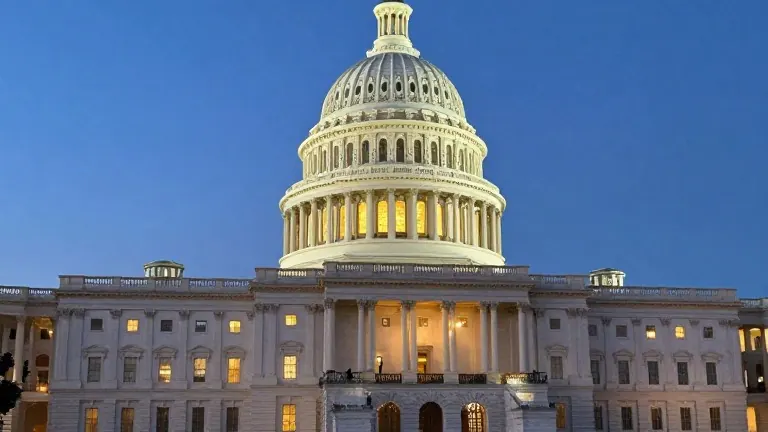
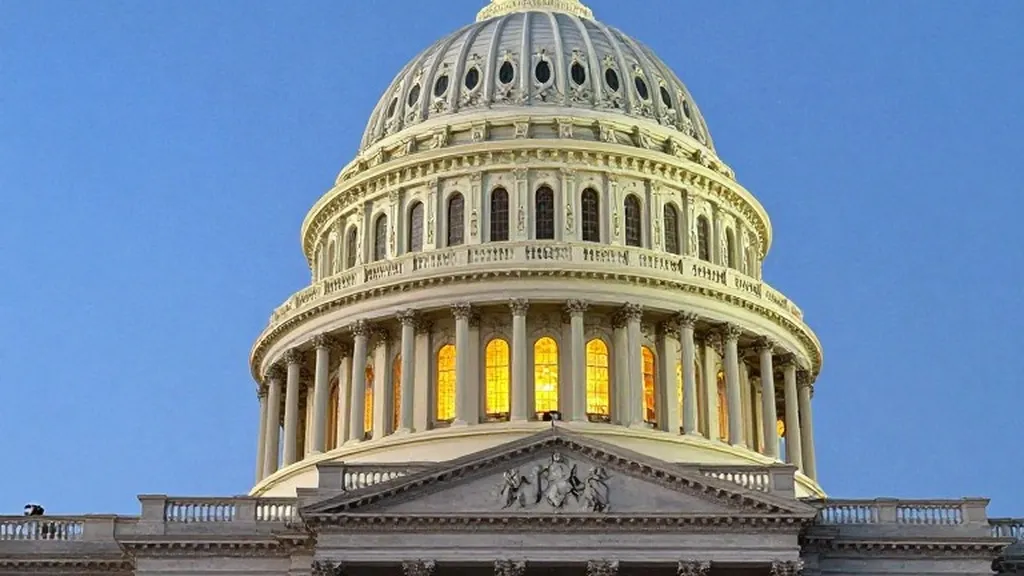
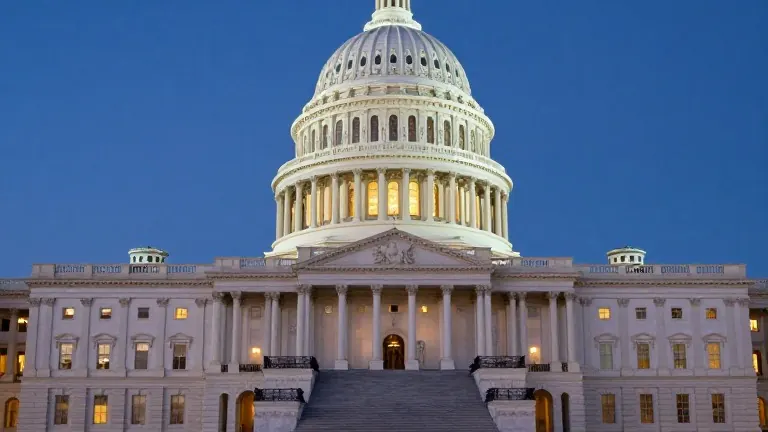
House and Senate Democrats will take control of Congress in January with a stated goal of expanding clean energy to lower utility bills for consumers. President Donald Trump has already warned he will aggressively use his veto power to block any legislation he considers unreasonable.
Sen. Sheldon Whitehouse of Rhode Island, the senior Democrat on the Environment and Public Works Committee, said the administration’s actions have raised costs for taxpayers. He pledged to pursue accountability regarding fossil fuel donors while working to reduce energy expenses for consumers.
Legislators plan to launch investigations into the reversal of climate policies and the elimination of green project subsidies by the current administration. They also intend to attempt to reverse those changes and restore incentives for renewable energy sources.
Passing major changes requires Republican support because Democrats do not hold enough votes to override a presidential veto. Lisa Sachs of Columbia’s Center on Sustainable Investment noted that the election results give Democrats more influence over public spending. She said voters favored affordability and opportunities, and the party must now clarify which policies deliver those results.
The White House stated that Trump is committed to reliable, affordable, and safe energy sources. He expressed willingness to work with lawmakers to strengthen the grid and protect national security. Meanwhile, the Senate is scheduled to hold a procedural vote on a bipartisan energy permitting reform bill aimed at accelerating large project development.
Critics point out that the administration’s war with Iran and other policies have contributed to higher prices for gasoline, diesel, and electricity. The government has also canceled numerous clean energy projects and slowed permitting processes. Orsted announced that its Revolution Wind offshore project off Rhode Island began commercial operations despite Trump’s known opposition to offshore wind.
David Victor of the University of California, San Diego, predicts a federal stalemate on energy and climate issues due to the divided government. He expects Democrats to focus on investigations and highlight potential 2028 policies. State governments may also move forward independently, as Democrats won governorships in traditionally Republican states like Texas and Georgia.