159 Million Brazilians Decide Historic Runoff as Polls Show a Dead Heat
A tight final day of campaigning pits an incumbent seeking an unprecedented comeback against a challenger who leads in key swing states.
By Valentina Cruz ·
The central tension in Brazil's presidential race has crystallized into a statistical impasse. With approximately 159 million citizens eligible to vote on Sunday, the contest between incumbent President Luiz Inácio Lula da Silva and far-right challenger Flávio Bolsonaro is effectively tied. This deadlock stands in stark contrast to the first round held on October 4, where Bolsonaro secured 47% of the vote compared to Lula's 45%. Historically, no candidate who trailed in the first round of a Brazilian presidential election since the return of democracy in the 1980s has managed to reverse the outcome in the runoff. A victory for Lula would therefore mark a first in modern electoral history.
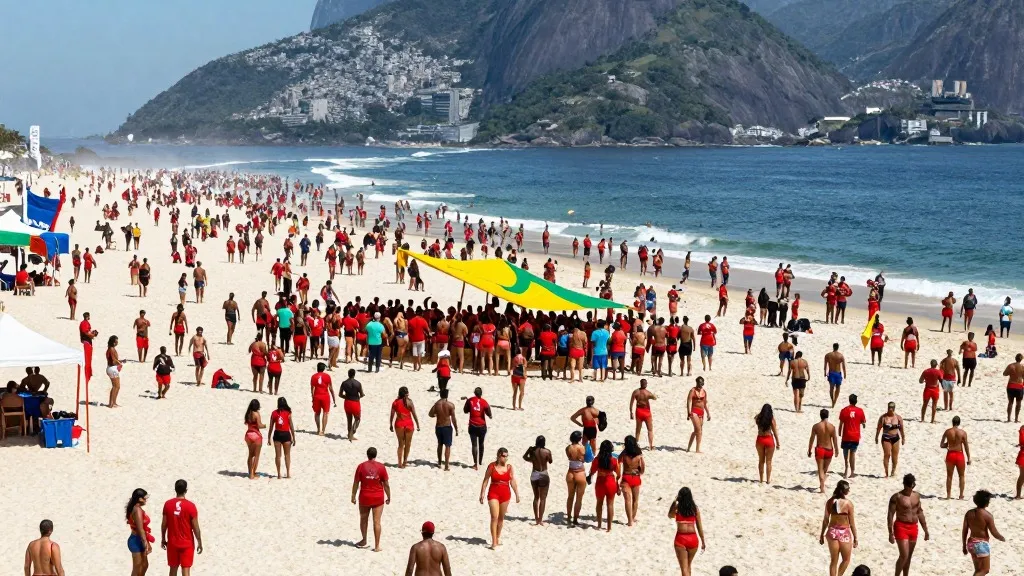
On Saturday, the political stakes were visually represented on Rio de Janeiro's Copacabana beach. Tens of thousands of supporters, predominantly dressed in red, filled the 2.5-mile stretch of sand in a carnival-like procession under strong sunlight. The atmosphere was driven by a sense of urgency, as activists unfurled a massive yellow and green banner declaring that the election result could be overturned. The mobilization highlights the high stakes for both sides in the final hours before the polls open.
Individual voters expressed a mix of optimism and determination. Josias Silva, a 61-year-old truck driver, carried a homemade sign stating that the election would bring a new day. He observed that recent large-scale street protests, many led by students, indicated that the populace had finally awakened. Silva predicted Lula would secure over 60% of the vote, a figure that polls suggest is significantly higher than the actual margin of victory.
Analysts generally view Bolsonaro as the slight favorite in the race. His campaign positions him as a tough leader on violent crime, leveraging his political heritage from his father, former President Jair Bolsonaro, who served from 2019 to 2022. However, Lula has recently regained momentum in the polls. This shift coincides with several scandals involving the challenger. Last week, Piauí magazine reported that Flávio Bolsonaro attended a boat party with sex workers and vaccine lobbyists during the peak of the 2020 coronavirus outbreak, a period when he was seeking a deal with his father's government.
For many voters, the election extends beyond standard policy disagreements. Jair Bolsonaro is currently serving a 27-year prison sentence for plotting a coup after losing the 2022 election to Lula. Some democratic voters fear that his son's victory could lead to his release or a return to government. Press reports suggest that several of the former president's fellow plotters, who are now in jail or exile, could be appointed to senior military and police posts if the Bolsonaro camp wins. Restaurateur Marta Moraes, 59, described her opposition as targeted specifically at the Bolsonaro movement rather than the right wing broadly. She cited the loss of four relatives due to the handling of the pandemic as a key motivator.
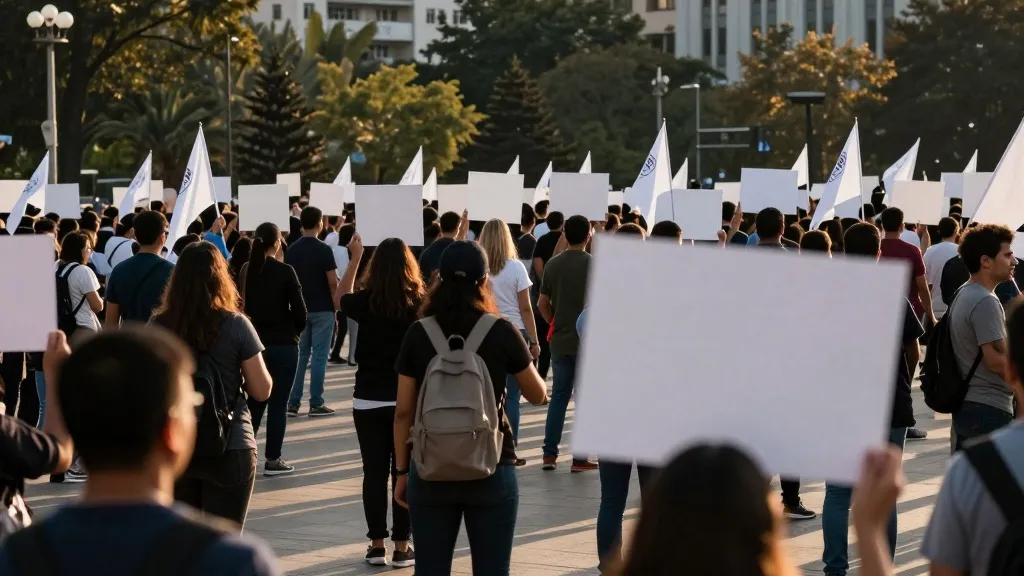
The grassroots organization behind Lula's surge includes digital mobilization efforts. Many in the crowd were members of a WhatsApp group with 10 million subscribers, formed after the first round. Retired teacher Isabella Gaze, 64, characterized the election as abnormal. DJ and activist Cammy Marinho, 49, noted that she spent two weeks persuading previous Bolsonaro voters and first-round abstainers to change their minds. The reach of the campaign was evident in the presence of Heitor Lopes da Silva, a 14-year-old who traveled from Duque de Caxias in a wheelchair with a support placard.
Bolsonaro supporters also held significant rallies, particularly in Belo Horizonte, the capital of Minas Gerais. Thousands gathered in the Praça da Liberdade wearing yellow jerseys and waving Brazilian and US flags. Minas Gerais is a critical bellwether state with the second-largest electorate in the country. Historical data indicates that no candidate has won the presidency without carrying this state. Bolsonaro led there by just under 5% in the first round.
Backers of the challenger emphasized their security platform. Antonio Carlos Costa Jr., a 59-year-old shooting club owner, argued that his father-in-law's administration granted citizens the right to self-defense and that Flávio would continue that approach. However, security experts note that previous gun law loosening under Jair Bolsonaro contributed to firearms being diverted to criminal gangs, a trend Lula has since reversed with tighter regulations. Lula's supporters point to the challenger's documented ties to Rio's paramilitary militias as a potential liability in curbing crime. Architect Erika Cavalcante, 43, summarized this concern with a sign reading, 'Don't let the mobsters win.'
Source: The Guardian