Washington Steps Up Pressure on Havana to Force Change
The State Department is soliciting cooperation from Cubans seeking to alter their government, while the President hints at naval maneuvers near the island's shores.
By Khalid Rahman ·
The Trump administration is intensifying its efforts to influence the political future of Cuba, moving beyond economic sanctions to publicly solicit cooperation from individuals within the country. On October 23, Secretary of State Marco Rubio used social media to encourage Cubans who desire what he termed positive change to partner with American intelligence services. This outreach coincides with a broader campaign of sanctions and military posturing aimed at the island's communist leadership, marking a distinct escalation in Washington's policy toward Havana.
Rubio addressed those he described as disappointed by corruption and the privileges of a select few. He wrote, "To those who seek to create positive change in Cuba - now is the time," urging readers to "seize this opportunity to create the change you desire through a discrete partnership with the CIA." The Central Intelligence Agency amplified the message by sharing it alongside its own appeal in Spanish, accompanied by a video detailing the steps for contacting the agency. This request for cooperation arrives as the Cuban populace contends with a strict U.S. embargo and sanctions, which have driven up the cost of basic goods and diminished access to medical care, resulting in long waits for necessities like bread and doctors.
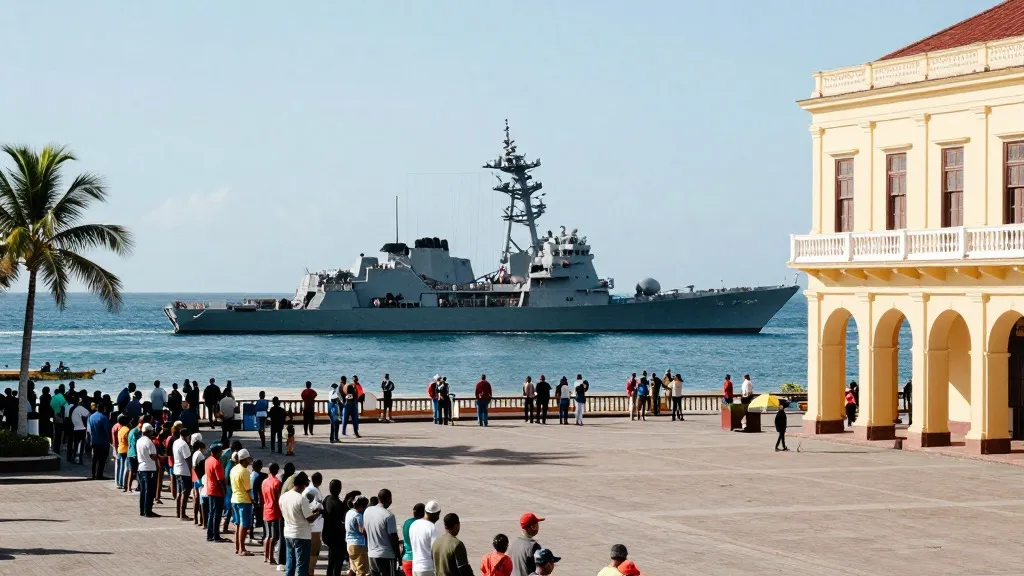
The economic pressure on Havana increased significantly in the week leading up to October 24, when the United States announced additional sanctions against a Cuban state-run bank due to its alleged ties to Iran. This financial targeting aligns with the administration's broader geopolitical maneuvers. On October 23, President Trump addressed the situation at a rally in South Florida, framing it within the context of U.S. naval movements near the Strait of Hormuz. He suggested that American warships deployed to that region would pass by Cuba on their return journey, stating, "We'll have one of them stop about 50 yards off the coast. They'll raise up their hands, and then we're going to send Marco Rubio in to finish up the deal."
Cuban officials have responded to this rhetoric with firm rejection. Foreign Minister Bruno Rodríguez Parrilla stated on October 23 that the island rejects "any threats stemming from U.S. ambitions toward Cuba." He characterized the nation's coast as rugged and inhospitable to those arriving with hostile intentions or a desire for domination. As the United States moves forward with sanctions against financial institutions and hints at naval proximity, the diplomatic standoff continues to evolve, with Washington seeking internal partners for a transition and Havana refusing to yield to external pressure.
Source: CBS News