UN Court Orders Myanmar to Return Rohingya and Pay Reparations
The International Court of Justice ruled that Myanmar committed genocide in 2017, binding the government to specific legal obligations regarding the 1.2 million refugees currently in Bangladesh.
By Nikolai Morales ·
The International Court of Justice ruled on Thursday that Myanmar committed genocide against the Rohingya minority during a 2017 military operation. The Hague-based court issued its first state-level genocide verdict, finding that Myanmar forces acted with the intent to destroy the group in whole or in part. The ruling mandates that Myanmar’s government allow refugees to return safely, pay reparations, and prosecute those suspected of committing the crime.
The legal finding followed a brutal clearance campaign in August 2017. Myanmar’s military launched the operation in Rakhine state after a Rohingya insurgent group attacked security forces. The court’s evidence showed that Myanmar forces killed approximately 10,000 Rohingya during the conflict. The campaign also involved mass rapes, killings, and the burning of thousands of homes.
Myanmar’s government reacted to the decision on Friday. Officials dismissed the ruling as unfair. However, the judgment is legally binding and final. The court lacks direct enforcement power and can only report noncompliance to the U.N. Security Council. This limitation raises questions about how the mandated actions will be implemented.
Bangladesh Foreign Minister Khalilur Rahman traveled to Cox’s Bazar on Friday. He met with refugees who fled the 2017 operation. Speaking through his U.N. spokesperson, Melissa Summers, Rahman stated that action is required at this historic moment. He pledged to advocate with U.N. member nations to ensure the judgment is followed. He told the refugees, “You will not be alone.”
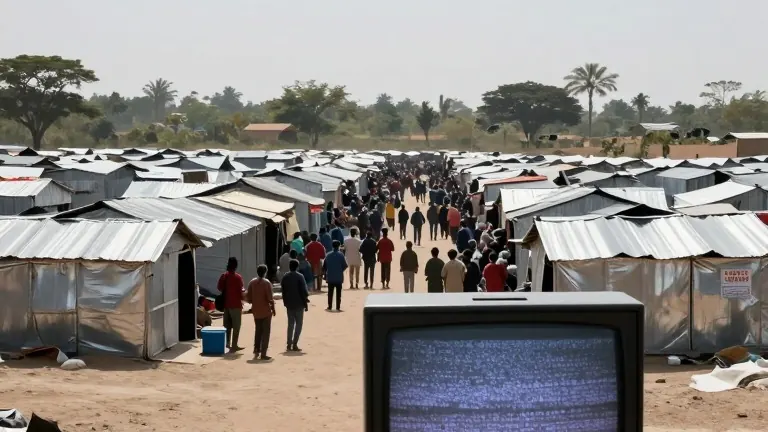
Refugees in the Cox’s Bazar camps watched the verdict on large screens. Mohammad Rofik, a community leader, called the decision a victory that recognizes the suffering of the minority. He noted that justice has started but that the people still have a long way to go. Sayed Ullah, another leader, said the court clarified that the Rohingya are a distinct ethnic group. He stated that Myanmar had previously denied the group’s existence.
Mohammad Osman, a refugee, urged the international community to impose severe punishment on Myanmar based on the new ruling. About 1.2 million Rohingya currently live in crowded camps in Cox’s Bazar district. These settlements face fire hazards, infectious diseases, monsoon landslides, and inadequate sanitation. Bangladesh has long urged the international community to help repatriate the population.
The court’s order requires the military-supported government in Myanmar to facilitate voluntary and safe returns. It also demands that suspects be prosecuted and that reparations be paid. The 1948 convention on genocide required the court to find specific intent to destroy the group. The verdict establishes a legal foundation for future diplomatic and legal pressure on Myanmar.